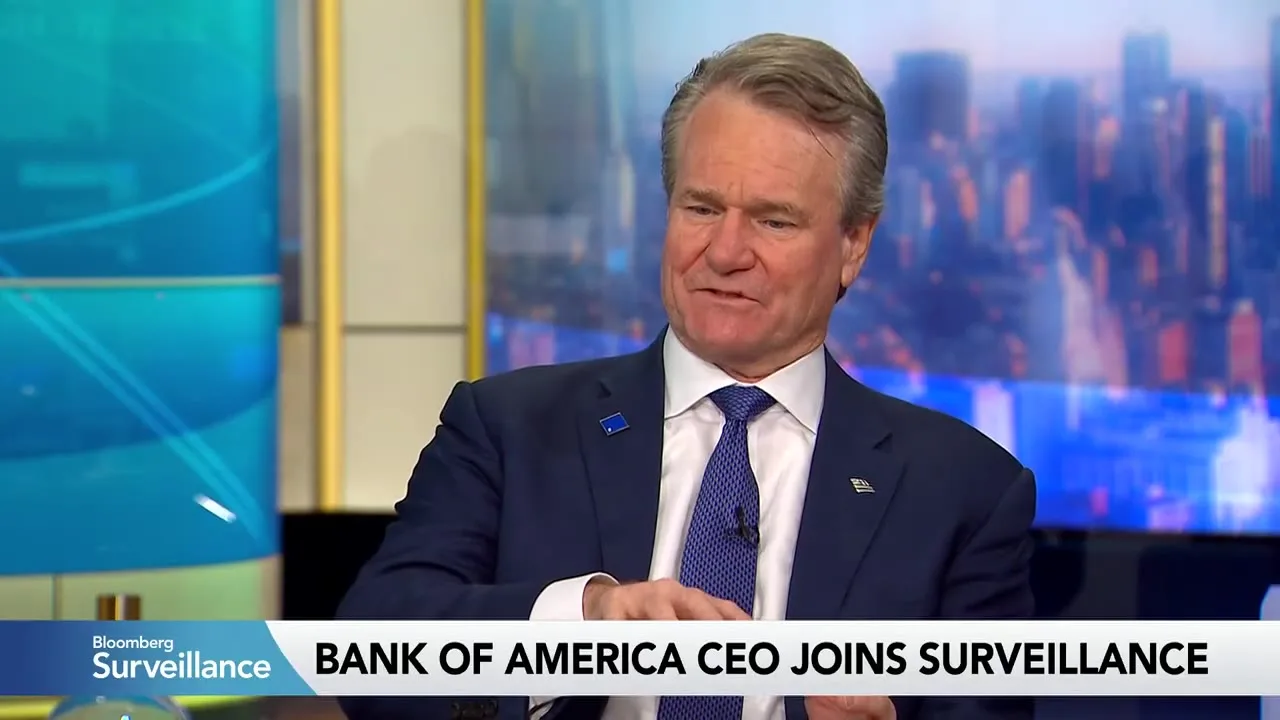
Some smaller companies are delaying share offerings until early next year to give investors time to absorb Anthropic's debut, Bank of America Chairman and Chief Executive Brian Moynihan said.
The companies are shifting deals from the current quarter into the next, rather than abandoning plans to go public. Moynihan discussed the delays in a Bloomberg Television interview published Nov. 16.
Moynihan declined to discuss current initial public offerings, the first sales of a company's shares to the public. He described preparing large offerings as work involving travel, organisation and calls to advisers.
He said capital markets activity would finish the year higher, though business had been uneven. His team had told him over the weekend that some offerings, including those by biotechnology companies, were moving into next year.
“It's not because it won't get done,” he said. “It's just trying to let the market settle in after this major transaction.” He described the pipeline of prospective deals as full, with their timing changing.
The smaller companies operate in different fields from Anthropic and remain on course to sell shares. Their offerings need room to reach investors whose attention is focused on the much larger transaction.
“These are IPOs that can get done,” he said. “Sometimes it just takes time to get the investors' attention” onto smaller companies. He gave no names, deal sizes or firm dates for those offerings.
Turning to lending for artificial intelligence infrastructure, Moynihan said the bank examines the creditworthiness of companies backing data centre construction and chip purchases. That includes assessing who stands behind commitments supporting the projects.
“We only lend when they're completely permitted and ready to go,” he said. The bank's assessment considers both the physical buildings and the chips, along with the companies responsible for the financial commitments.
The eventual demand for AI will determine whether the investment is viable, he said. That demand includes businesses paying to use the technology and individuals paying fees or generating revenue indirectly through their use.
“How big that will be? How that materializes over time?” he said. “That will ultimately determine the viability of all this.” He left open the scale of that demand and how quickly it would develop.
Bank of America spent about $300 million on AI initiatives this year to obtain about $700 million in value, Moynihan said. He distinguished that spending from payments to AI companies or model developers.
“In our company AI is very strong. It works,” he said. He did not give a breakdown of the value or specify how the bank measured it.