


 Asian Currencies Steady as Dollar Nears 18-Month High Ahead of US CPI
  Hong Kong’s Second Solana ETF Launches With Lower Fees
  Meta Launches Muse Wonder AI Models, Shares Rise 3.7%
  Gold Prices Hit One-Week High as Oil Falls, Fed Rate Outlook Weighed
  US Stock Futures Rise as Oil Prices Fall Ahead of Q3 Earnings
  PepsiCo Slashes Poppi Earnout Valuation as Growth Slows
  TSMC Profit Set to Surge 65% as AI Chip Demand Drives Record Earnings
  Visa Wins China Approval to Prepare Domestic Payments Expansion
  Oil Prices Fall as Trump Ceasefire Claim Shifts Market Focus to U.S. CPI
  Trump Calls for Zelenskyy Replacement Amid Russian Diesel Deal
  Orsted to Take Full Ownership of UK Offshore Wind Farm for £15 Million
  Samsung, SK Hynix Shares Plunge as China Chip Competition Grows
  Samsung, SK Hynix Shares Fall as China's CXMT Advances DRAM Technology
  Asian Stocks Plunge as AI Chip Selloff Hits South Korea and Japan
  Apple Supplier Luxshare Faces US Patent Probe, Sees Limited Impact
  IMF, World Bank Meetings Face Global Economic Risks Amid Iran War
  Wall Street Ends Mixed as Investors Await CPI and Bank Earnings


 Add as a preferred source on Google
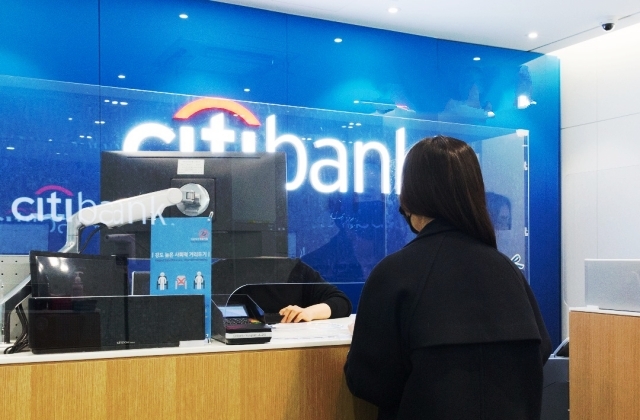
Citibank Korea was supposed to formally announce its decision to end its retail business in South Korea. It was reported last week that the financial institution will reveal its exit plan at the upcoming board meeting set for Aug. 26, but this will not take place any longer.
While the conference may possibly proceed, Citibank Korea decided to cancel the talks about its exit plan. This means that the board will not discuss how to sell its retail business as well as the terms for the sale. The topic on its exit plan will be completely taken out of this week’s meeting’s agenda, as per Yonhap News Agency.
According to industry sources, the company will once again delay its decision for the pullout of its retail banking unit, and this is already the second time. The first time this happened was in July, and the bank cited various reasons, including conflicts of interest, bidders, and the company’s labor union.
The decision for the exit plan was now moved to September, and this time, the board said that it was postponed due to the lack of interested parties. Moreover, prospective buyers were said to have proposed terms of sale that Citibank Korea could not agree on, so the officials just canceled the meeting.
One of the issues mentioned regarding the bidders is that some only want to acquire certain divisions of Citibank Korea’s retail unit like its credit card or wealth management businesses. The company is selling the entire retail banking biz in its Korean unit, so it cannot agree to such partial sale proposals.
As mentioned in The Korea Herald, it was in April when Citigroup announced that it would be ending its retail operations in 13 countries, and Citibank Korea is included in the list. The New York-headquartered investment banking firm stated that the move is part of its global business reorganization.
In any case, the labor union of Citi’s Korean unit agreed to the exit plan of selling the whole consumer unit. The company is also hoping that the winning bidder will retain all the current workers, and this could be included in the terms.
“This is actually not bad news for us,” a union member reportedly told The Korea Herald. “It means that the company is unwilling to sell off only parts of its retail business if the conditions do not meet their demands.”







