


 RBA Says ASX Still Falls Short on Governance and Risk Controls
  XRP Price Targets $1.70 as Bullish Momentum Builds
  BOJ Set for Rate Hike as Inflation and Yen Pressure Mount
  Fed’s Williams Signals One More Rate Hike Before Year-End
  Oil Prices Rise as Iran Holds Firm on Strait of Hormuz Deal
  Japan Warns Markets Over Yen Weakness
  Australia Budget Deficit Narrows to A$22.3 Billion on Stronger Tax Revenue
  Yen in Focus as BOJ, Fed Rate Hikes Reshape Currency Markets
  RBA Hikes Interest Rate to 4.60% as Inflation Risks Rise
  U.S. Stock Futures Fall as Iran, Oil and AI Risks Rattle Markets
  ECB May Stop Rate Hikes After December, Capital Economics Says


 Add as a preferred source on Google
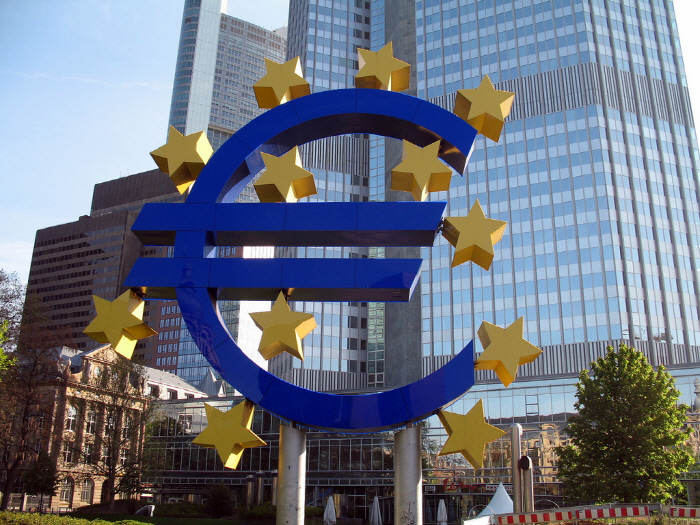
The European Central Bank (ECB) is increasingly likely to raise interest rates in June as escalating geopolitical tensions in the Middle East continue driving energy prices higher across the euro area. ECB policymaker and Finland’s central bank governor Olli Rehn said the bank may need to tighten monetary policy to maintain credibility amid persistent inflation risks linked to rising fuel costs.
Speaking in a recent interview, Rehn explained that disruptions in the Strait of Hormuz have significantly increased oil prices, pushing euro zone inflation above the ECB’s 2% target. Financial markets widely expect the ECB to increase borrowing costs at its June 11 meeting, although policymakers remain cautious about signaling additional hikes later in the year.
Despite the inflation surge, Rehn emphasized that there is still limited evidence of long-term inflation becoming entrenched in the euro area economy. He noted that wage growth is continuing to moderate, natural gas prices have not climbed as sharply as oil, and medium- to long-term inflation expectations remain stable around the ECB’s target level.
According to Rehn, the ECB is closely monitoring so-called “second-round effects,” including whether higher energy costs begin triggering broader price increases across the economy. While short-term inflation expectations have shown some volatility, he said there are currently no major signs of inflation expectations becoming unanchored.
The ECB’s June policy decision will also depend on updated economic forecasts and any developments regarding a potential ceasefire between the United States and Iran. However, Rehn warned that Europe should prepare for a prolonged conflict that could continue disrupting energy supplies and slowing economic growth.
He also called for the European Commission to develop alternative energy sourcing strategies, particularly for jet fuel and other Gulf-dependent products. Rehn added that governments should avoid excessive fuel subsidies due to limited fiscal capacity and warned that countries heavily dependent on imported energy, including Germany and Italy, may face greater economic pressure than nations relying more on nuclear and renewable energy sources in 2026.







