A Claude-assisted project generated 318,484 protein designs targeting scorpion toxins but put 211 candidates through laboratory tests, which Citrini Research said cost almost three times as much as computing.
Anthropic said the design campaign lasted 64 hours. Claude selected 180 designs for testing, and researchers working with it added 31. Adaptyv Bio and Twist Bioscience carried out the laboratory work.
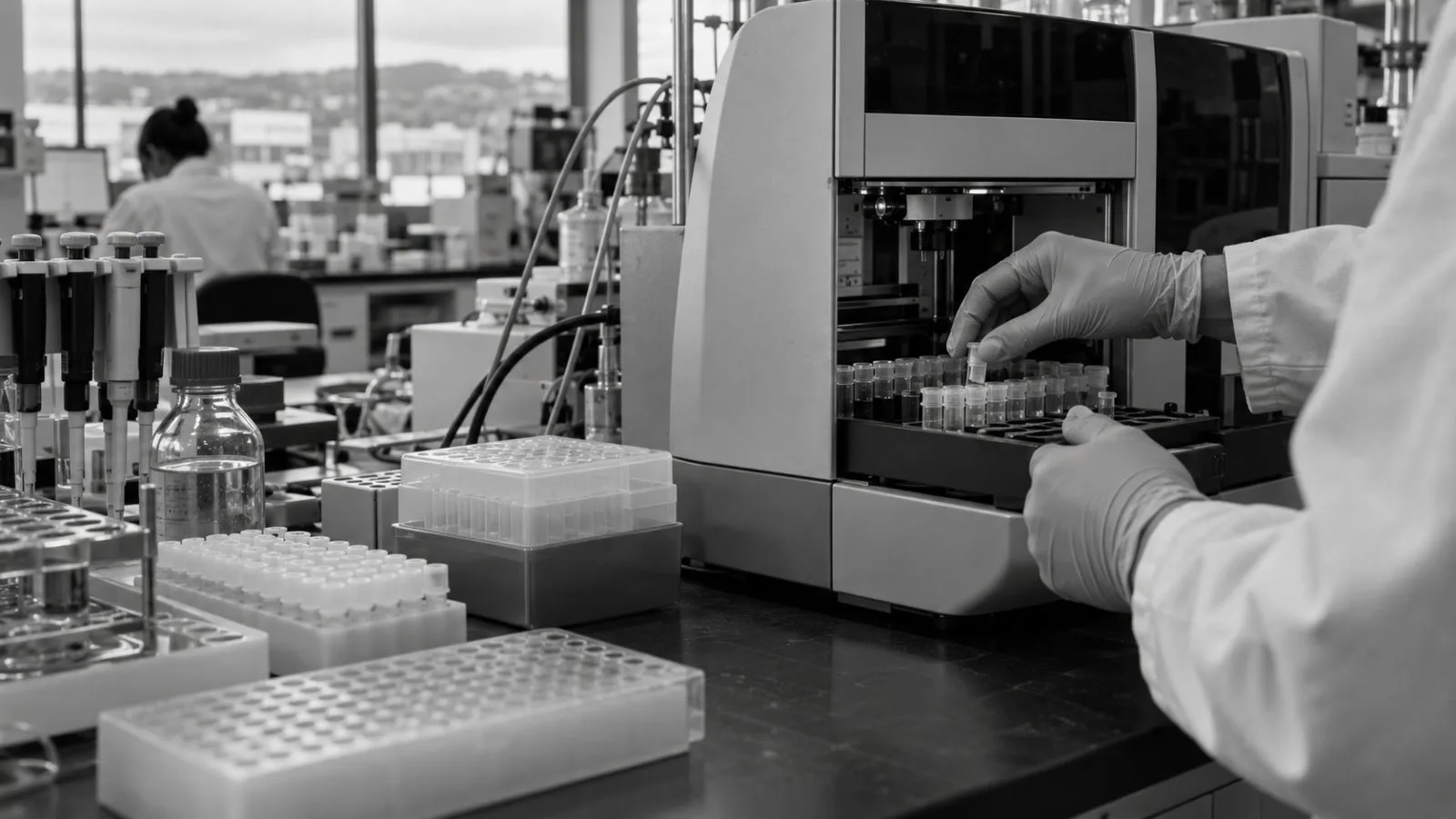
Citrini said it budgeted $200,000 of its own cash for the project. The bill from the two contract laboratories was just under $150,000, compared with $49,997 for computing. The laboratory work included DNA synthesis, protein production and purification, binding measurements and an assay assessing properties relevant to further development.
The cost comparison illustrates the physical work required after a computer generates possible candidates. Citrini argues that faster design could bring more business to laboratory service providers. Its contracts show what one project required; they do not establish a broader increase in demand for those services.
Seventeen of the 211 tested proteins met Anthropic’s binding standard. Together, they bound four of the five targeted toxins. Each qualifying design met the standard for one toxin, with none qualifying against multiple targets. The initial binding results do not establish that any protein works as an antivenom.
The tests used toxins produced in a laboratory. Researchers have yet to show that the proteins stop toxin activity in cells or protect animals. Anthropic cited earlier research on proteins designed to counter snake toxins as a precedent, while describing the scorpion results as an early step.
The proposed next checks are binding to toxin purified from venom, whether the proteins block its effects in cells and whether they protect mice. No date has been announced for those tests.