A joint AI drug-design experiment by Citrini Research and Anthropic generated a bill of just under $150,000 from contract laboratories, supporting Citrini’s thesis that faster design may benefit testing suppliers.
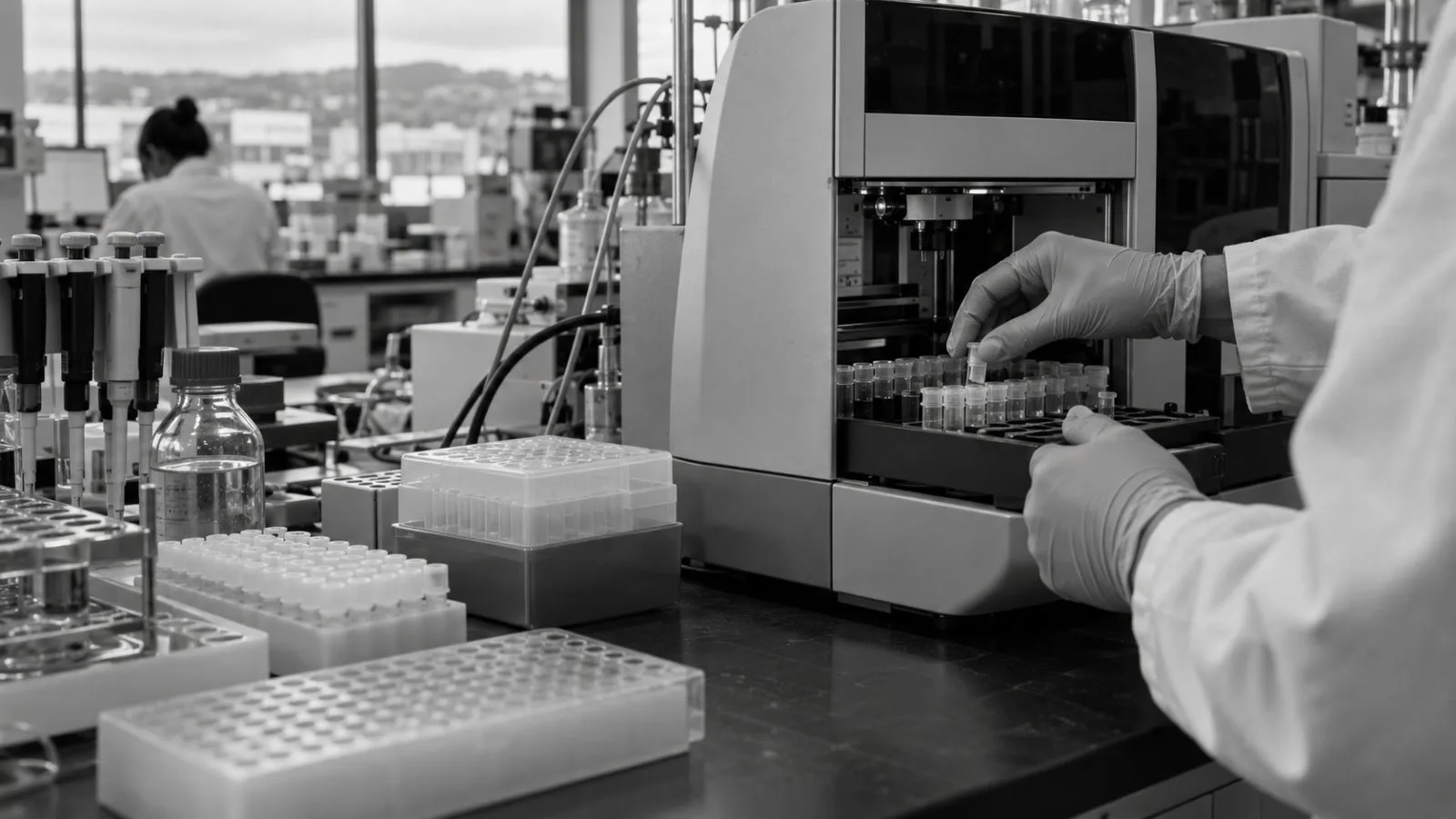
Researchers sent 211 protein designs aimed at scorpion toxins to Adaptyv Bio and Twist Bioscience for laboratory work. Anthropic said 17 met its binding criteria against four of the five targeted toxins. The team has not established whether the proteins stop the toxins from working.
Citrini said the bill across the two contract labs was just under $150,000, while computing cost $49,997. It describes physical laboratory work as a bottleneck when computers can produce potential drug candidates quickly. The project shows the cost of testing these designs, but does not establish a broader increase in laboratory demand.
Citrini has identified Charles River Laboratories International Inc. and Revvity Inc. as potential beneficiaries of such demand. Bloomberg reported that the research firm ranked them among its top life sciences picks. Charles River’s business includes drug research and testing; Revvity supplies laboratories with instruments and software.
The investment case depends on AI projects producing enough candidates that researchers choose to test. More experiments could bring additional work to service providers and equipment suppliers. For now, that outcome remains Citrini’s forecast, rather than a measured change in business for either company.
Anthropic cited earlier research on proteins designed to neutralize snake toxins as a precedent. The scorpion toxin results remain at an early stage, with further tests needed to determine whether the binders do more than attach to their targets.
Researchers would first need to confirm binding to toxin purified from venom. Citrini says the toxin preparations must also be shown to disrupt cell signaling before a cell test can determine whether the binders block toxin activity. Tests of protection in animals would follow those steps, according to Anthropic. No test date has been announced.