

When we think of the difficulties that women have accessing water, we tend to think of women and girls in developing nations struggling to carry water across large distances. We do not usually think of a woman in metropolitan Melbourne, one of the world’s most liveable cities, unable to maintain her own health because of the impact of water restrictions – but we should.
Paul Satur investigated the link between social inequality and water sustainability in Melbourne and Perth. Severe shortages during the Millennium Drought, which between 1997 and 2007 plunged many Australian cities into their driest periods on record, led to a range of water pricing mechanisms, restrictions and rebates.
However, Paul talked to 60 residents from socially advantaged and disadvantaged communities in Melbourne and Perth, and found that one-size-fits-all approaches can seriously hurt our most vulnerable communities and, in particular, women.
Inequality increases during times of scarcity
The research found social inequality had a profound impact on domestic water use.
Restricting water use in well-off households often means compromising on leisure and luxury – for example, gardening, swimming pools and long showers.
However, for disadvantaged households water restrictions are more harshly felt, directly limiting their ability to look after their health, hygiene and comfort. As Samantha from Armadale, WA, describes:
It gets hot in Armadale, very hot. Basically, when it’s really hot, I’ll have a shower and put clean clothes on – [though] we basically bear the heat sometimes. We live like that because we know, from other people, some people can get thousand-dollar electricity bills. We’re not going to do that. No way.
With less money and reduced forms of social support, poorer households are unlikely to use expensive and more efficient technology such as dishwashers, water-tanks and recycled water units. Louise from Broadmeadows explained why she couldn’t take advantage of government programs during the Millennium Drought:
I did see one [incentive program] they have from the government, but I couldn’t afford to do it with the rent… To be honest, I don’t think we could cut much else.
As Louise describes, technology rebate schemes were of little value to those already struggling financially. Through restrictions, price hikes and technology rebates, our cities’ disadvantaged were left to “bear” the heat.
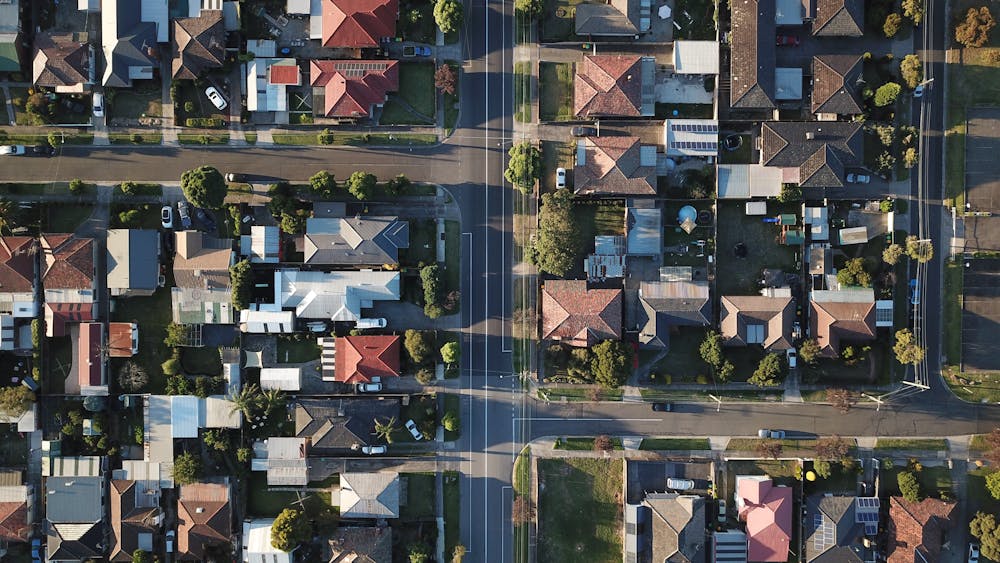
Australian households have been recognised for innovation in times of drought, but there is still room for improvement - particularly for disadvantaged households. Tom Rumble/Unsplash
Restrictions placed on ‘women’s work’
Less water makes cooking, cleaning and managing household health more difficult, responsibilities largely assigned to women (especially in poorer and less educated households).
Much of the burden to reduce water use therefore falls on women, who have to carry out the same duties with less resources. This is most evident in water uses described in poorer communities. Alice, also from Broadmeadows told us: “I don’t have a dishwasher. I’m the dishwasher here.”
Where women are less educated, unemployed or earn less, men are likely to be the main household financial decision-maker, including for big household purchases such as white goods.
The research found under price-based water restrictions, the gendered demarcation of housework (women’s work) from financial decision-making (men’s work) means that in many cases, it is men placing pressure on women to reduce the family’s water use. Samantha, from Armadale, WA told Paul:
My husband doesn’t want a dishwasher. He doesn’t believe in them. In the end, I’ve now learned not to use a dishwasher and that’s the way it is … He says they’re just a waste of water and power.
In disadvantaged households, reduced access to durable and efficient appliances, and reduced social networks compounded these pressures and makes water saving targets more difficult to reach. Consequently, it is often women who do the hard work of water conservation during times of scarcity. This impacts on what is important to them, as Carla from Armadale explains:
I used to like to [do the gardening]. Yeah, with a hose. I just don’t want my water bill (to increase), to me they are going to die anyway so why waste water and get it green.
Water authorities are increasingly taking a more active approach to community welfare, and for good reason.
As our cities continue to feel the heat and the prospect of future water shortages loom, we must rethink existing approaches to urban water security so that it is not our cities most vulnerable households, and women within them, who are most impacted.

