The Forecasting Research Institute found that about 80% of each group expected the world at the end of 2030 to look much like the world of 2026, while Anthropic’s Jack Clark argued that, under singularity-like conditions, U.S. GDP could reach $44 trillion by 2030.
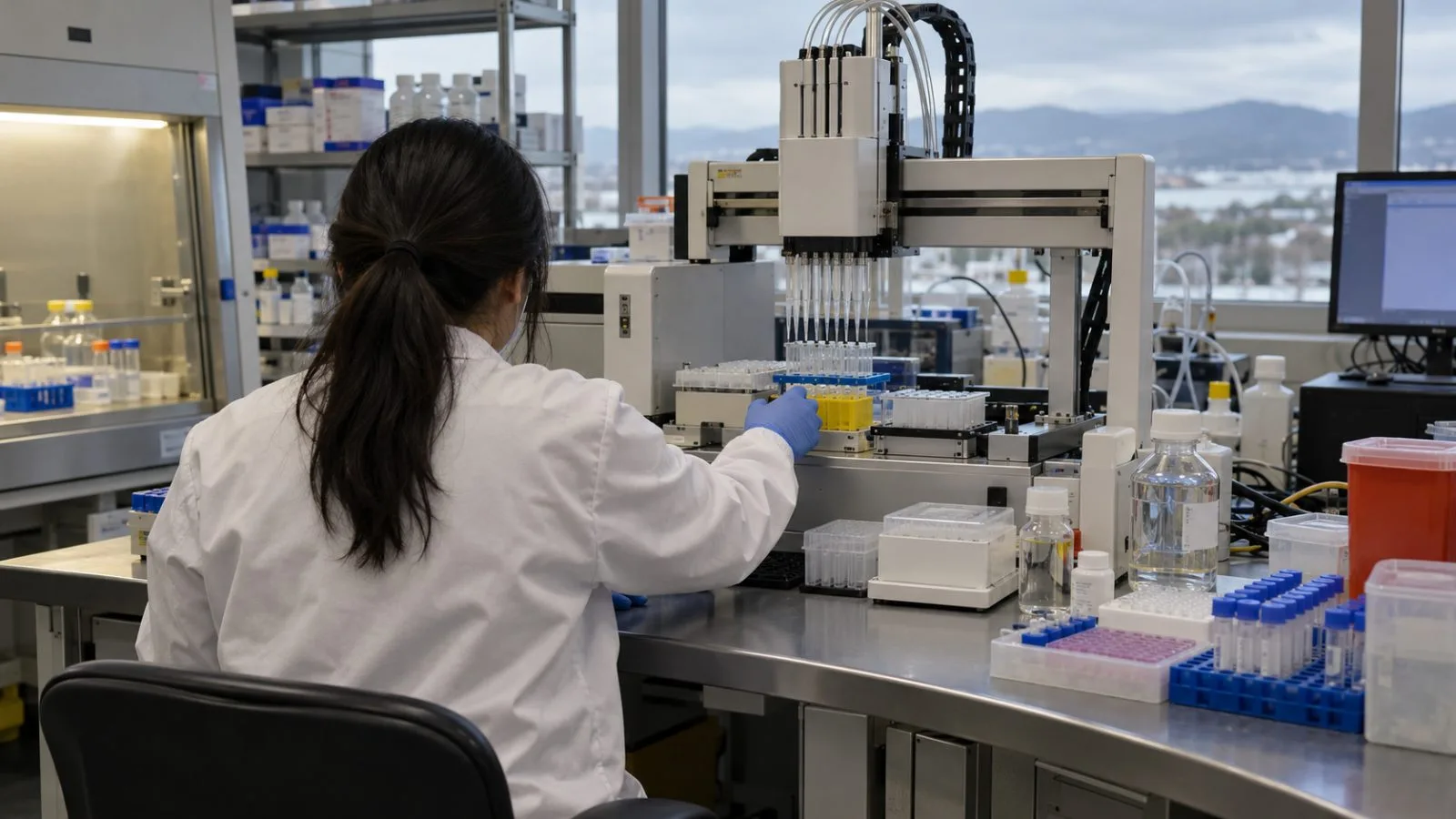
Anthropic’s Jack Clark argued that, under singularity-like conditions, U.S. GDP could reach $44 trillion by 2030. He called the prospect outlandish but linked it to continued advances in AI. Clark cited applications in biology, including creating viruses and finding drug candidates; he said some medicines developed substantially with AI are already in trials. He also said AI systems are increasingly able to autonomously operate laboratory equipment remotely, which could automate experiments and accelerate work on batteries and fuel cells.
The survey measured expectations about how the world would look, rather than directly asking groups to forecast GDP. The institute’s separate analysis examined why economic growth could remain modest even as AI improves. It pointed to uneven adoption and delays between a technology’s arrival and its effects on measured productivity. Economists cited past experience with electrification, automobiles and personal computers, saying multi-decade lags can separate a technology’s arrival from its effects on measured productivity.
FRI analysts also identified constraints that could slow the spread of AI: limited energy and chip supplies, the pace of data-center construction, and broader pressures including trade conflict, climate change, population aging and reduced immigration.
Separately, Bethany McLean examined how the AI buildout is financed. She said rating agencies are giving their highest grades to much of the debt funding AI expansion, which can help issuers reach insurance-company buyers. McLean drew parallels with ratings for Enron debt before the company’s collapse and mortgage-backed securities before the financial crisis.
In a conversation with Derek Thompson, Ethan Mollick named deep knowledge, wide knowledge, taste and agency as human advantages in working with AI. He described agency as starting experiments without waiting for guidance that may not arrive, and sustaining an ongoing project involving AI.