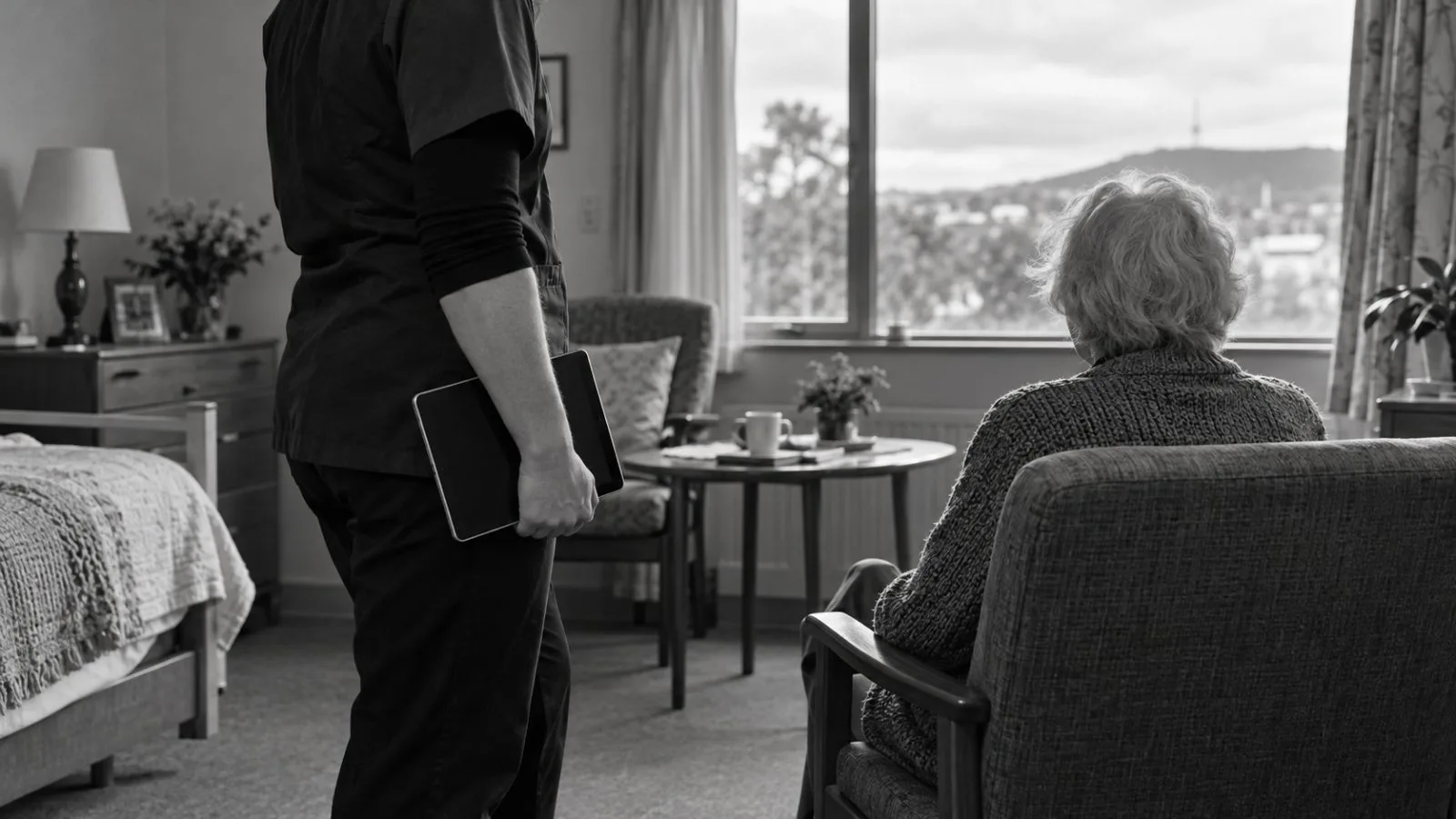
Australia’s Commonwealth Ombudsman found the department’s aged-care assessment system was administered unreasonably, raising concerns about automated decisions assessors cannot change even when they judge an outcome clinically inappropriate.
Published Oct. 26, 2026, the report examined the Integrated Assessment Tool, a digital application used in Australia’s Single Assessment System. Separate algorithms determine funding classifications and, for Support at Home, priority categories. The Ombudsman said current law gives assessors no authority to replace the system’s decisions.
The report said public information did not adequately explain how assessment inputs produce results. It found the Department of Health, Disability and Ageing had not complied with two recommendations from the Robodebt Royal Commission. One called for a way to seek review, explanations in plain language and public access to business rules and algorithms. The other called for a body to monitor and audit automated decisions. The Ombudsman described the IAT as a “technological black box” without more transparency.
The department published information about the classification algorithm on Oct. 6. The Ombudsman welcomed the release but said it was not yet clear whether outside experts could use it to reproduce assessment results.
In its response, the department cited 22,000 live trials of IAT questions in 2023 and more than 200,000 assessments completed in 2024-25 that informed changes to the classification algorithm. The Ombudsman said the trials and consultations involved earlier versions of the tool and earlier legislation. The investigation did not test whether the algorithm’s clinical results were correct or establish how often people received an incorrect outcome.
The department has said aged-care funding is limited and described standardization as a way to allocate support consistently and equitably. The Ombudsman’s report emphasized that assessment results can affect older people’s well-being, independence and living circumstances.
The Ombudsman recommended legislation allowing assessment delegates to substitute a decision when an outcome is clinically inappropriate or not in an older person’s best interests. The department noted the recommendation and pointed to a narrower escalation process for complex cases.
The government says a review route for exceptional circumstances is expected to begin in January 2027. It has also announced an independent review of the classification and priority mechanisms, with a report due to be published and tabled in Parliament in the first half of 2027.