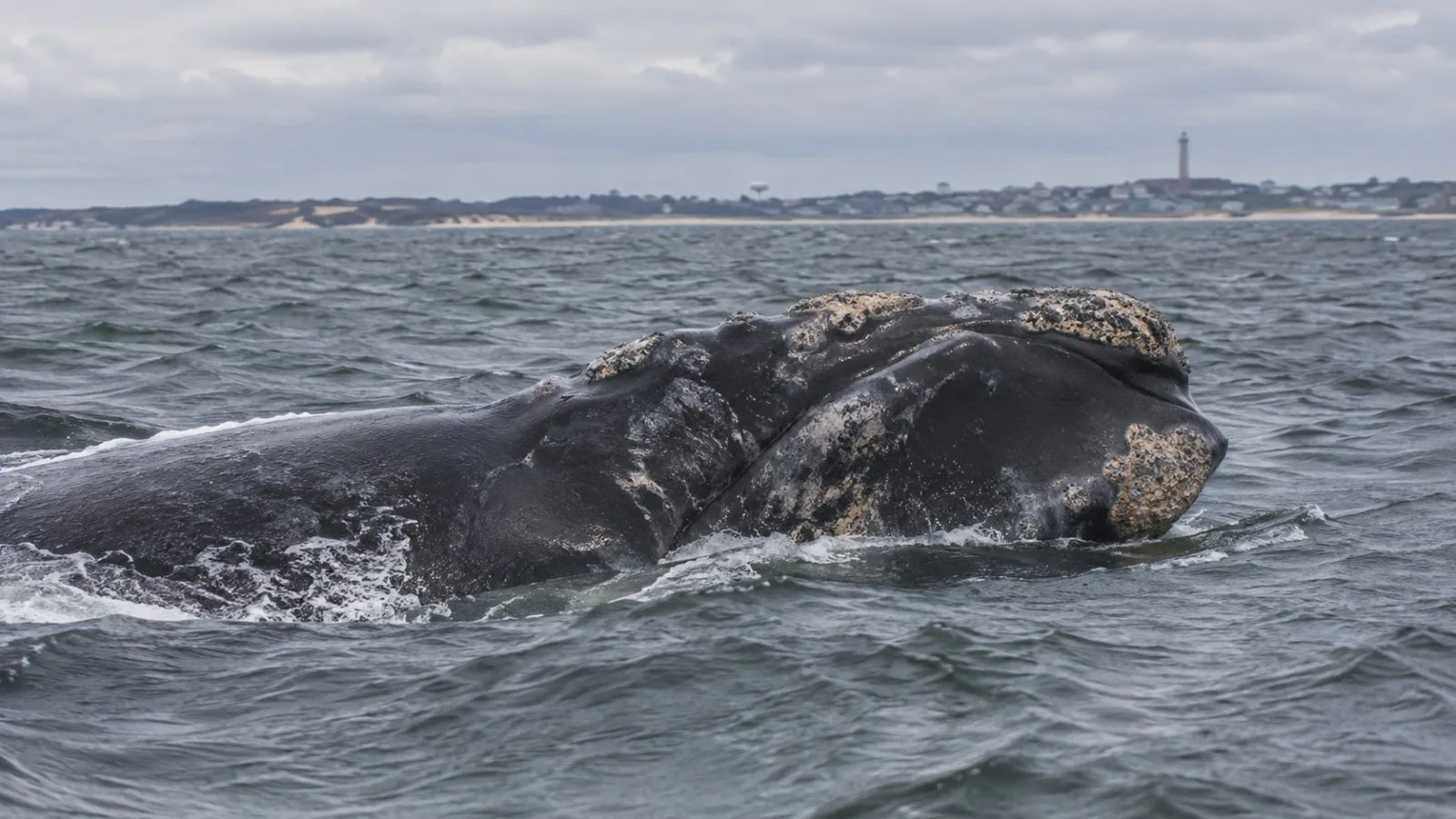
The North Atlantic Right Whale Consortium’s new estimate puts the species at 382, a decline that leaves its recovery dependent on a small reproductive pool despite a strong calving season.
The Consortium released the figure Monday, two animals below its previous tally of 384. The estimate follows a breeding season with more than 20 calves. The Independent reported a total of 24, a figure EconoTimes covered in an earlier report on the season’s calf tally.
Those births have not reversed longer-term losses. Between 2010 and 2020, the population contracted by roughly one-quarter amid poor reproduction and high mortality. The National Oceanic and Atmospheric Administration (NOAA) has described injury and death levels among whales during the past nine years as unusually high. The latest count includes 73 reproductive females, leaving a limited base for future births.
Ship strikes and fishing-gear entanglements remain major risks. Heather Pettis, chair of the Consortium, said warming seas are changing where copepods, tiny organisms whales eat, are found. As whales travel to locate this prey, Pettis said, they can enter waters without safeguards against ships and fishing gear.
The whales move through U.S. and Canadian waters. They give birth off the Carolinas, Florida and Georgia during winter, then travel toward feeding grounds off New England and Canada. CBS/AP reported that spring gatherings near Massachusetts can include as much as one-fifth of the population. Commercial whaling depleted the species over centuries before largely ending in the 1930s, and its recovery has been slow, CBS/AP reported.
The population estimate comes amid a U.S. dispute over protections. The House of Representatives passed a proposal to delay new right whale safeguards until 2035. CBS/AP characterized the measure’s purpose as protecting commercial fishing interests from regulations that industry members describe as burdensome. Oceana opposed the proposal. Nora Ives, a marine scientist with Oceana’s right whale campaign, said the figures make “the road to recovery longer.”