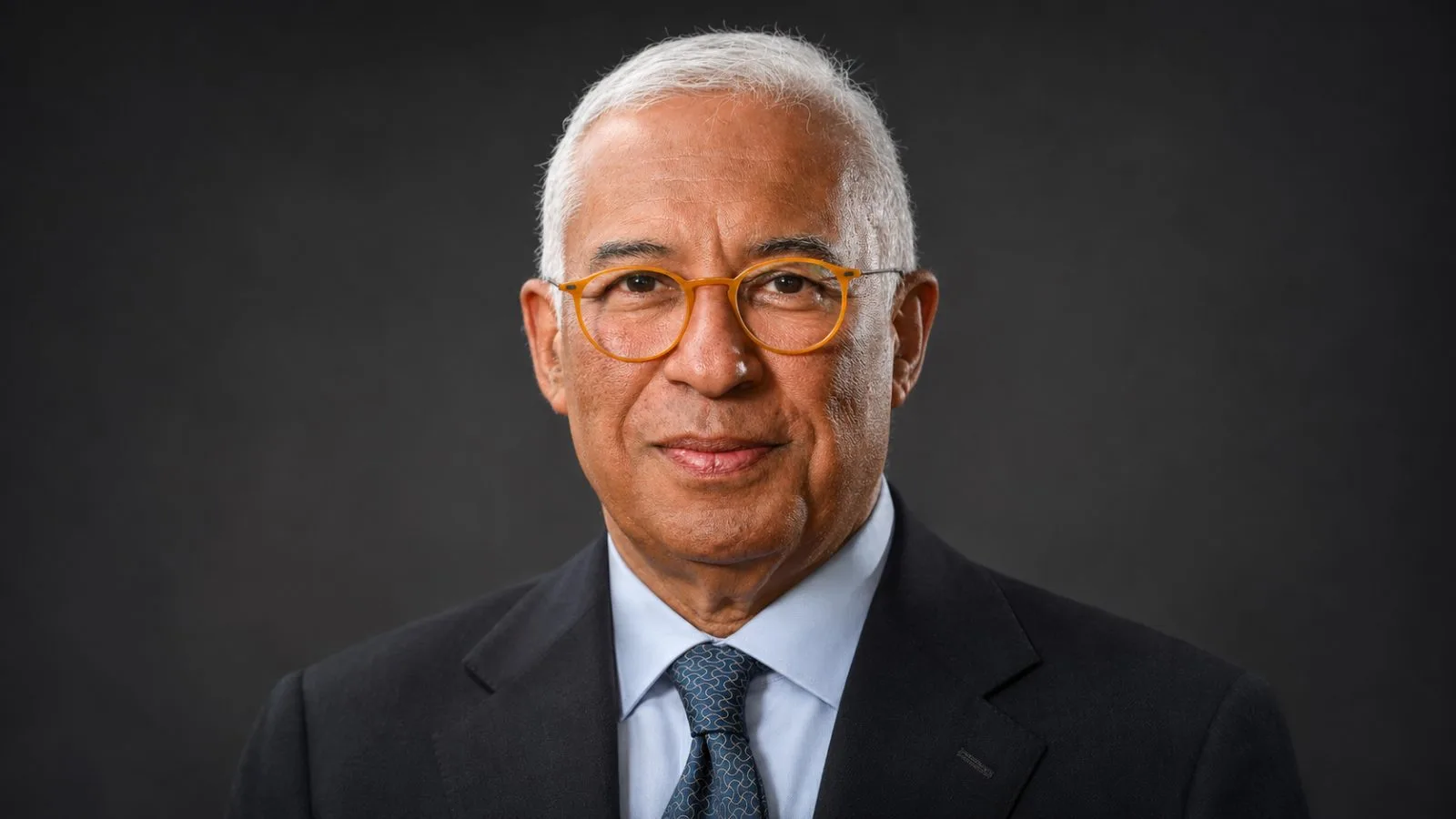
Two official European Union accounts differed on the status of a Ukraine peace team after U.S.-mediated talks: European Council President António Costa said leaders agreed on it, while a Council summary called it proposed.
Costa made his statement after an informal leaders’ meeting in Dublin on Nov. 13. Both accounts describe a group made up of EU institutions and five countries: France, Germany, Italy, Poland and the United Kingdom. Neither names a lead negotiator or says if or when the group would take part in direct talks with Russia.
Costa said the arrangement would help coordinate Europe’s contribution and give it a united voice. He linked the effort to European security, saying it depends on Ukraine’s security.
The Dublin meeting followed diplomacy in Abu Dhabi. The European Commission said representatives of European partners, Ukraine and the United States met there on Nov. 10 before trilateral discussions with Russia. The commission said participants discussed conditions for durable peace, security guarantees, Ukraine’s sovereignty and territorial integrity, and its right to make decisions independently.
Ukrainian President Volodymyr Zelenskyy said in an address on Nov. 12 that Europeans had taken part in the process but were not yet at the table with Russia. He also said the Abu Dhabi talks produced an agreement on a prisoner-of-war exchange; his address did not specify a number or date.
EU foreign ministers are scheduled to discuss Ukraine’s support needs ahead of winter and Russia’s hybrid campaign against the EU on Monday, Nov. 16. Ukrainian Foreign Minister Andrii Sybiha is due to join the Ukraine discussion. Germany’s federal government has scheduled a Coalition of the Willing meeting in Berlin for Thursday, Nov. 19, on diplomatic coordination, security guarantees and further support for Ukraine, following Germany’s Berlin meeting announcement. EU leaders are due to discuss Ukraine’s financing needs for 2027 and beyond on Nov. 26-27.