Cuba’s public-transport passenger trips are expected to fall 75% from 2025 in 2026 as fuel restrictions squeeze services, Transportation Minister Eduardo Rodriguez Davila told Reuters, leaving families and patients with fewer ways to travel.
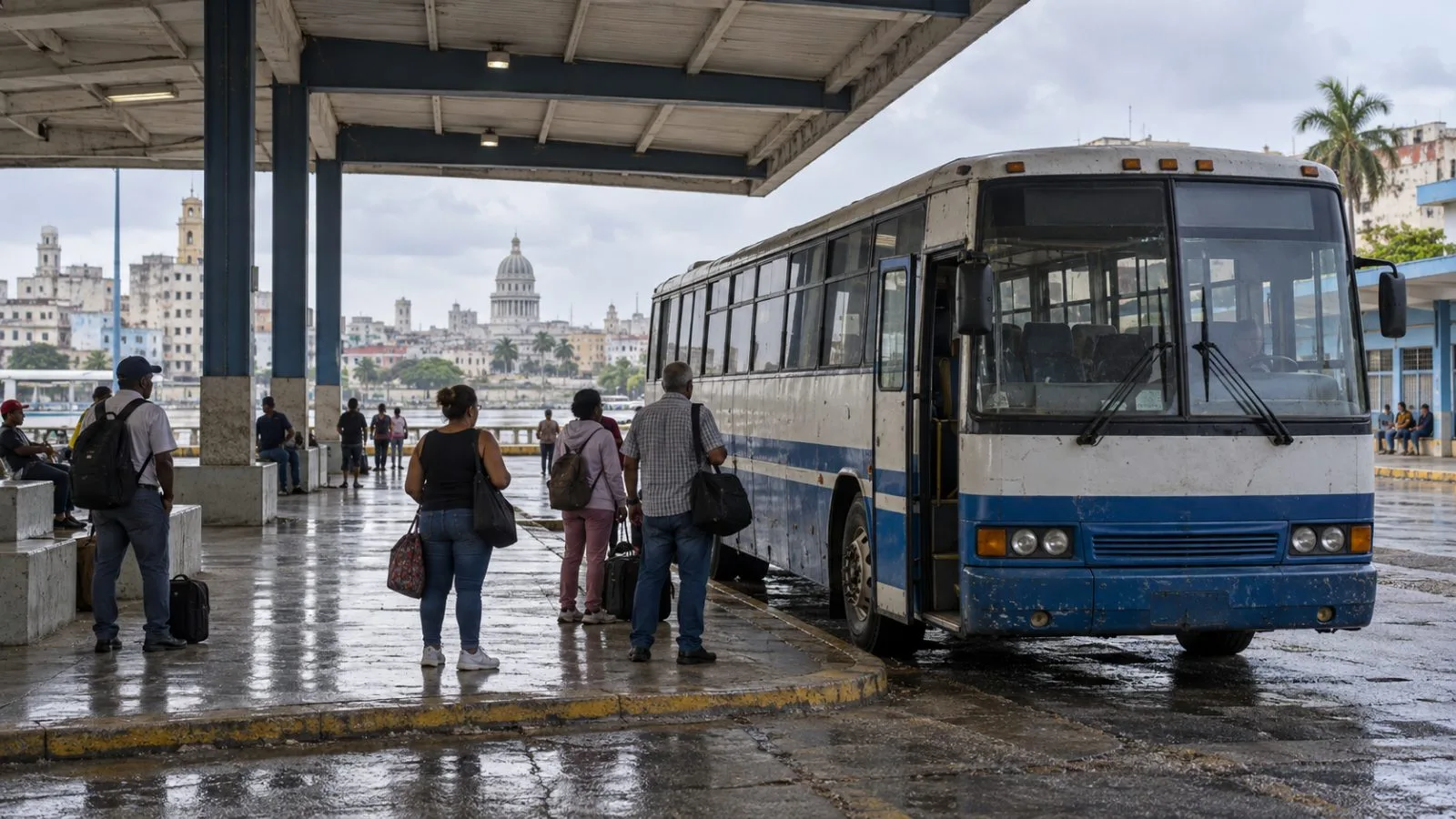
Rodriguez Davila said daily departures from Havana to provincial destinations numbered 11 in 2026, down from 419 in 2025. The island had 21 bus routes, compared with more than 100 previously, he said.
He estimated interurban transport would shrink by 90% and domestic freight would total about 20 million tonnes in 2026, compared with 70 million tonnes in 2025. The shortages are disrupting family travel, visits to sick relatives and access to hospitals, he said.
Reuters places the start of a de facto U.S. cutoff of fuel imports to Cuba in late January. Washington says the restriction and newer sanctions are intended to bring down Cuba’s government, which it describes as inept and corrupt. Cuba and the United Nations say the measure is unlawful and infringes on Cubans’ rights.
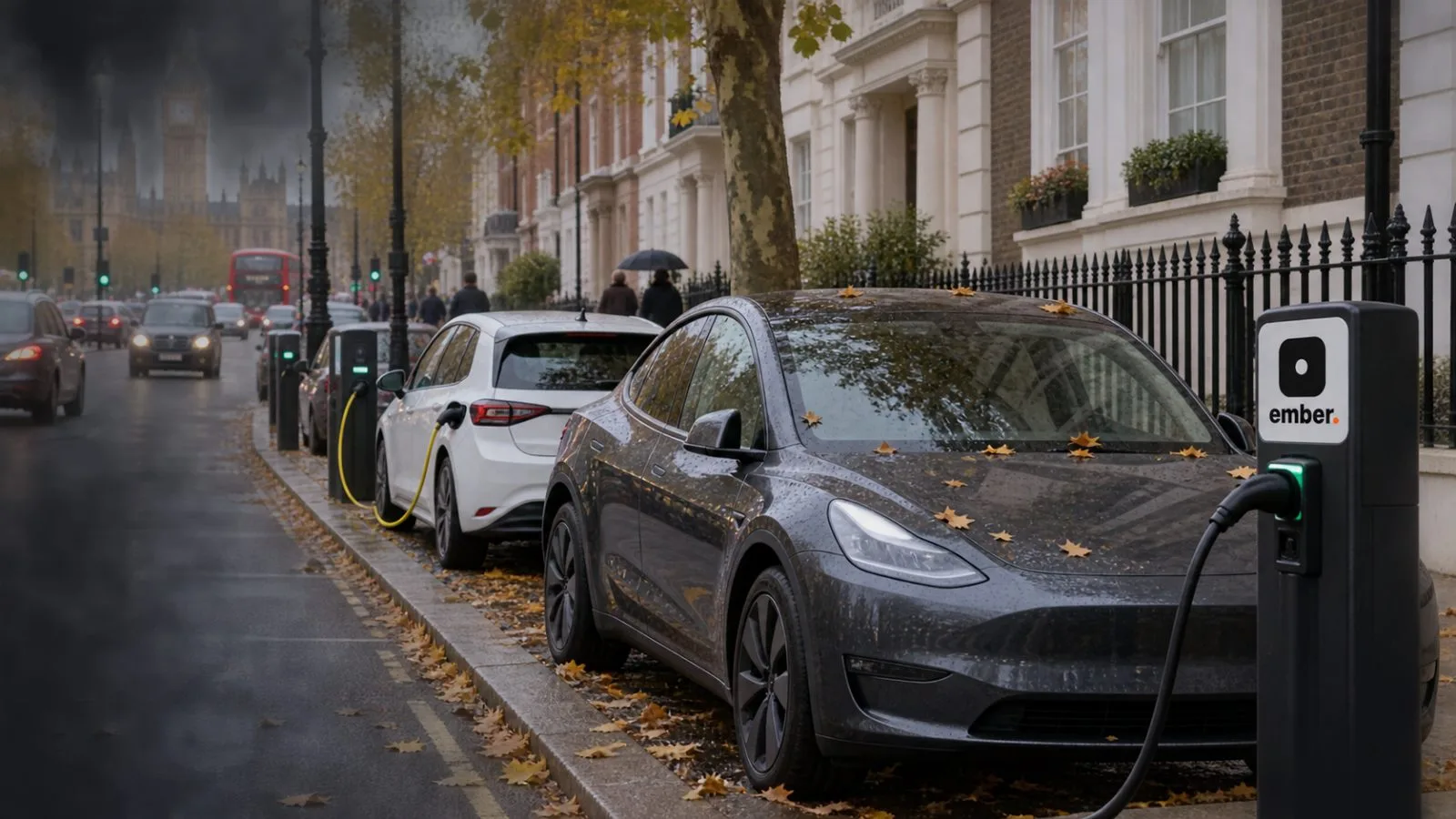
Electric vehicles are expanding, but their cost and the electricity supply limit their usefulness. Rodriguez Davila counted 150,000 electric cars, bikes and tricycles, twice the 2025 figure and about 15% of Cuba’s 1 million vehicles. He said the actual share is likely higher because many plug-in vehicles are unregistered.
By August 2026, electric models made up 40% of vehicle imports, up from 3.5% in January 2025, the minister said. Tax cuts or exemptions for electric cars and bikes helped drive the increase. He said electric models often cost roughly twice as much as comparable gasoline or diesel vehicles, while renewable power has not expanded as quickly as the electric fleet. Cuba’s power grid still relies largely on fuel-fired generation; Reuters also described electric tricycles unable to operate because they could not be charged.
The Transportation Ministry had purchased 60 solar charging stations for distribution across the country, Rodriguez Davila said. State enterprise Transmed was expected to soon put cargo vans and charging stations into service to deliver medicines to Havana pharmacies without relying on scarce fuel.