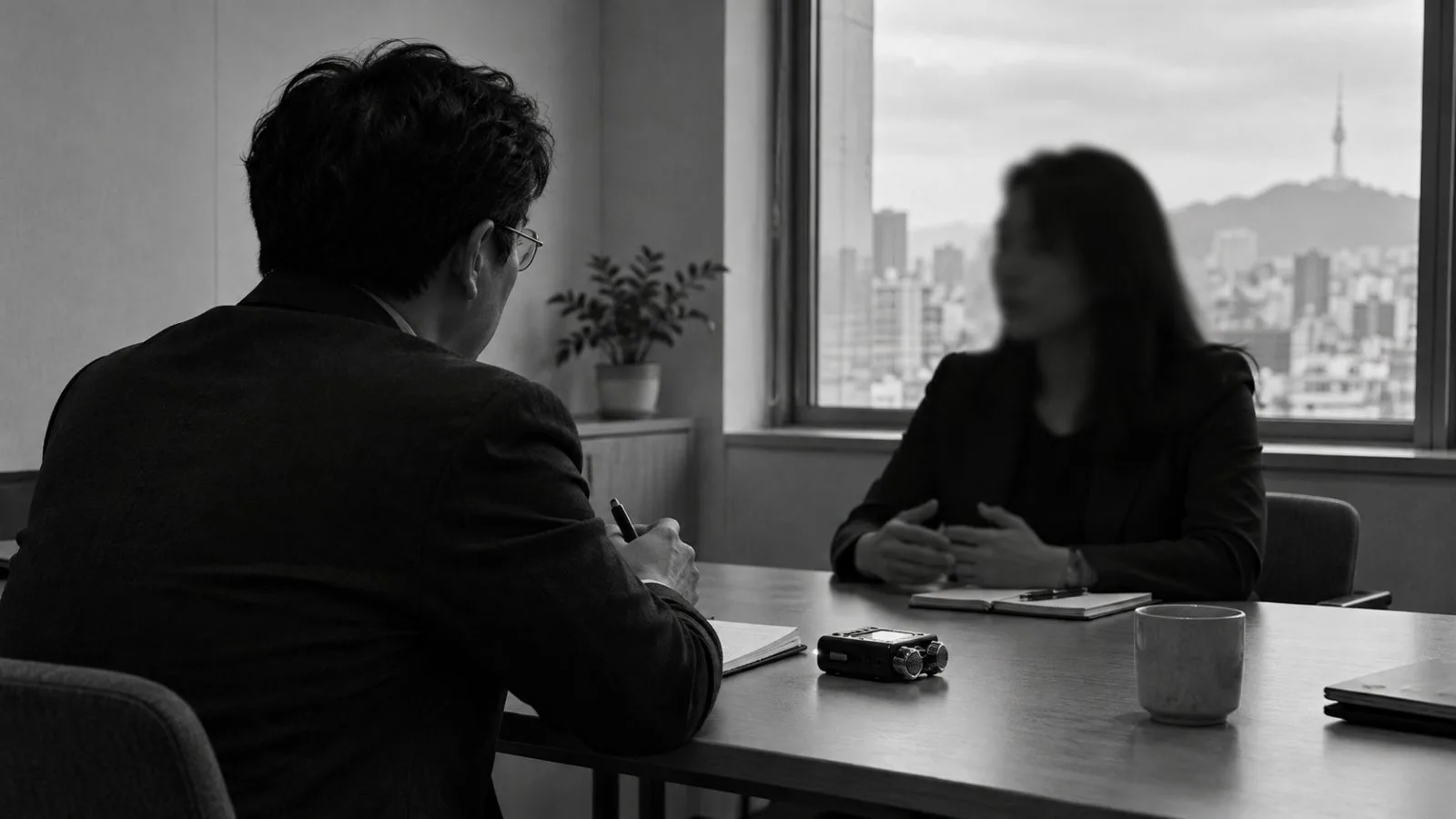
Cuban Ambassador to South Korea Claudio Raul Monzon Baeza said South Korea may offer openings for Cuban goods and expertise as the United Nations prepares its annual vote on the U.S. embargo.
In an interview with Yonhap News Agency, Monzon identified Cuban agricultural products, biotechnology and critical minerals as potential opportunities in the South Korean market. He described energy cooperation separately as an area the two countries are exploring, keeping it apart from those market prospects.
Monzon said U.S. sanctions affect Cuba’s public and private sectors, trade, fuel supplies and health care. He described effects on both commercial activity and public services. In that context, agricultural products represent a possible route to the South Korean market, while biotechnology and critical minerals extend the prospects to other fields. Energy cooperation remains a separate track in his account.
Yonhap reported that Cuba has submitted its annual resolution calling for an end to the U.S. embargo since 1992. The resolution is nonbinding. In 2025, it passed 165-7, with 12 abstentions, according to the agency.
South Korea has voted in favor of the resolution since 1999, Yonhap reported. That record adds a long-standing dimension to Seoul’s position on the embargo.
The vote is also at the center of a separate dispute. Reuters reported that Cuban Foreign Minister Bruno Rodriguez Parrilla accused U.S. officials of warning governments that backing Havana could bring visa denials and trade and economic sanctions. Rodriguez also alleged that the U.S. secretary of state had at times joined efforts to change votes. The accusation followed an Oct. 19 dispute over a U.S.-hosted U.N. gathering with Cuban dissidents, which Cuban representatives opposed. The State Department had not immediately responded to Reuters’ request for comment. EconoTimes previously reported on Cuba’s accusation.
Yonhap reported that the General Assembly vote is scheduled for Oct. 27-28. It will be the next step in the embargo debate, while Monzon’s remarks describe potential economic links with South Korea.