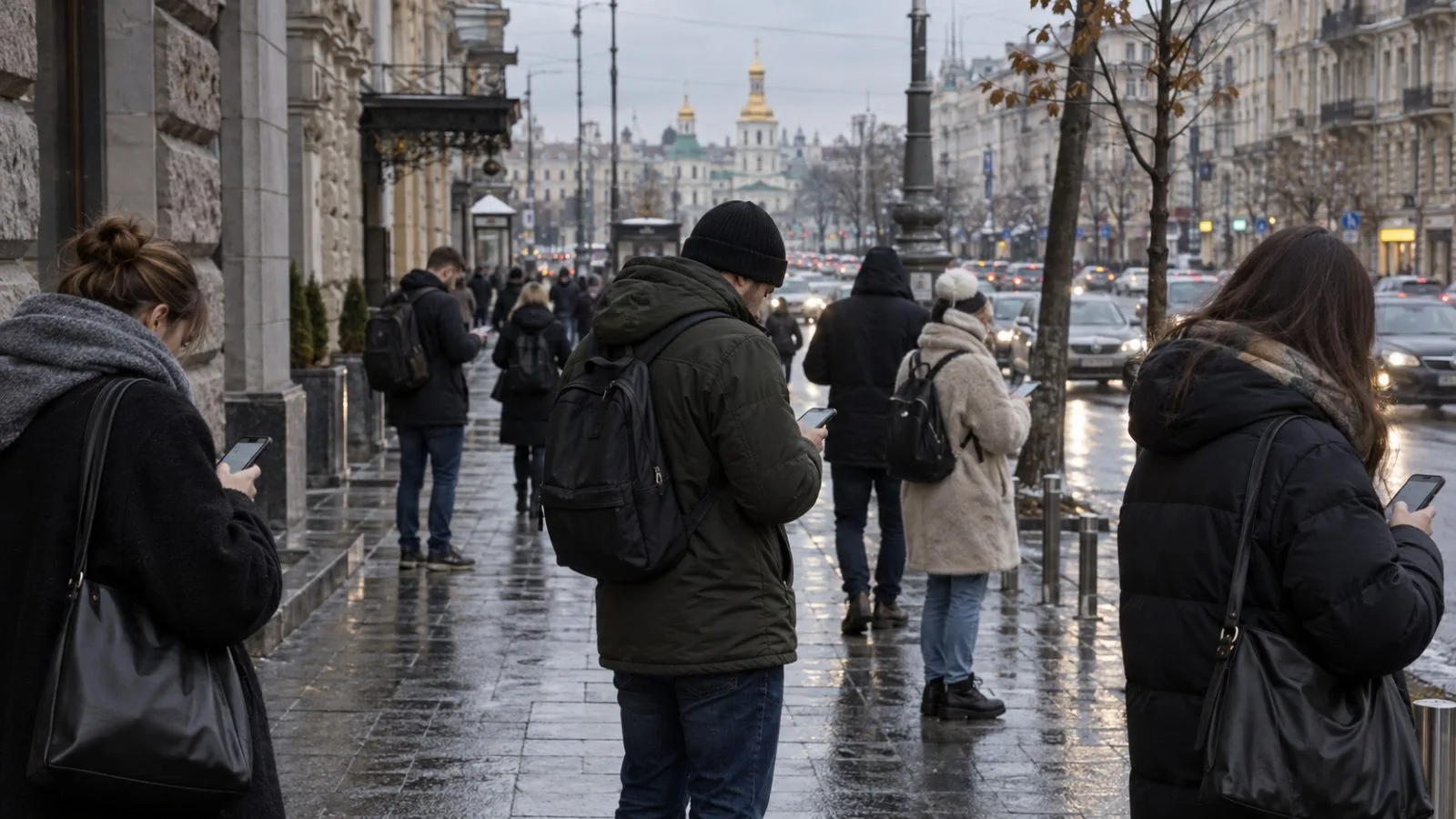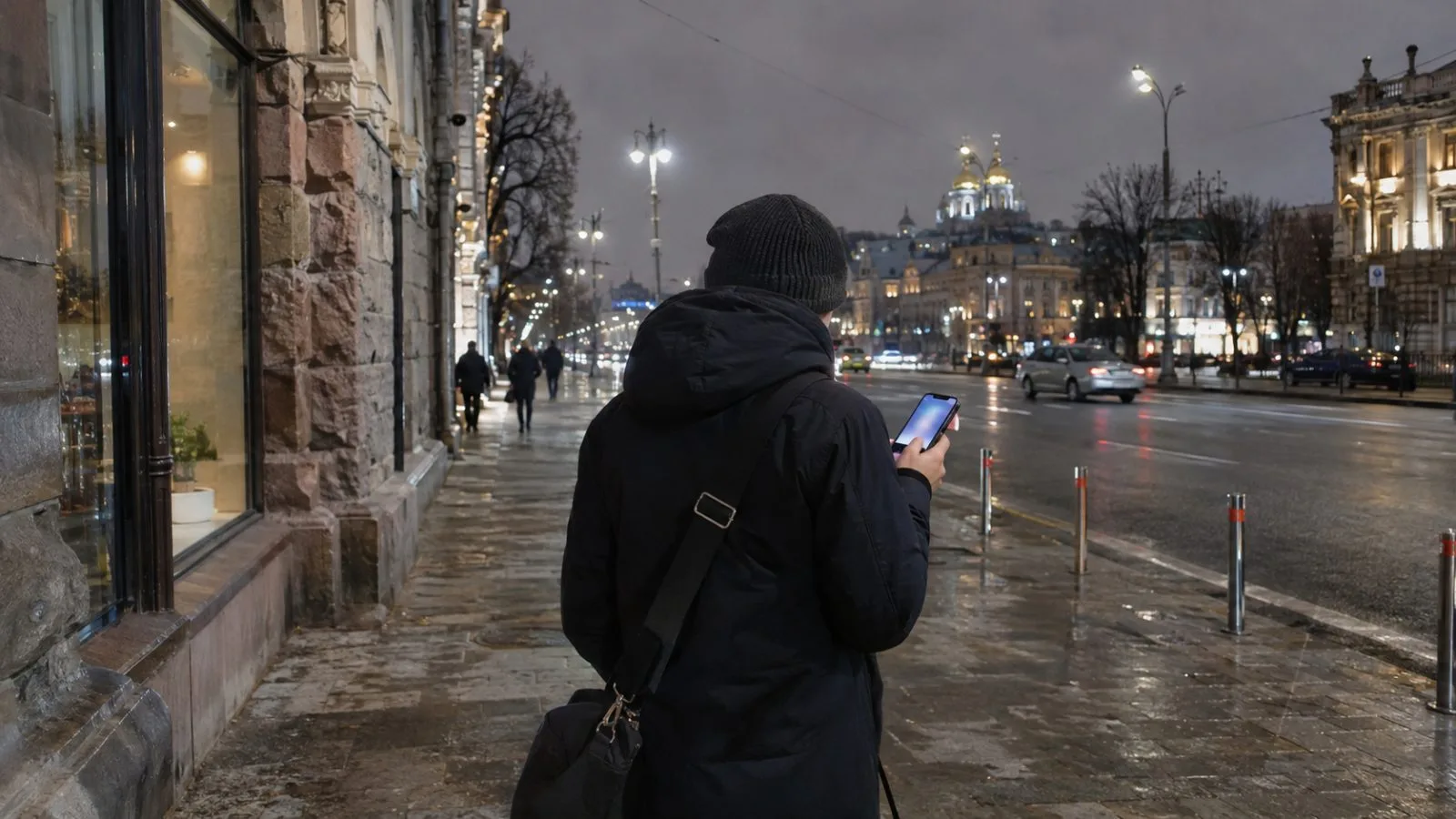
The Independent reported that false emergency messages reached millions of Ukrainians Sunday night, Nov. 1, warning of radiation, chemical danger and street violence. A screenshot of the messages was made in Kyiv, according to the outlet. A follow-up Telegram message from the Air Alarm app said it had likely faced hostile interference and that no radiation threat existed; the message did not address the chemical or street-violence warnings.
Adam Pilton, a cybersecurity adviser at Heimdal, told The Independent that people tend to react quickly to alerts they believe come from official channels. He said attackers can use that urgency to create panic and weaken confidence in government communications, describing the tactic's aim as to “erode trust.”
The Independent also reported that Russia told its citizens Ukraine had hacked Russian alert systems to warn of imminent nuclear strikes. How the incidents began had not been determined, and neither country had publicly claimed responsibility, the outlet said. It reported that officials and analysts interpreted them as retaliatory exchanges, with Russia considered the initiator.
Separately, the Main Directorate of the Ministry of Emergency Situations (MChS) of Russia for Kemerovo Region — Kuzbass said in a translated notice that attackers had used its mobile app to spread false information. It described the incident as a “massive cyberattack” and said restoration work was underway. The notice did not identify the attackers or describe the messages; the incident was covered in EconoTimes' earlier account of separate emergency-app attacks in Ukraine and Kuzbass.
The Independent reported that Ukraine's Security Service (SBU), citing its cybersecurity department, said it had neutralized more than 16,000 Russian cyberattacks and critical cyber incidents between February 2022 and July 2026. Cybersecurity firm CybelAngel said its REACT team recorded 1,651 incidents targeting Ukrainian entities and 575 targeting Russian entities from January 2025 to January 2026. CybelAngel said the distribution looked similar in the 12 months before that period.