Cyprus is widening defense cooperation with Washington through a five-year roadmap and broader U.S. arms access, even as Russian systems remain in service and replacement decisions shape the pace of its military shift.
The plan, signed Sept. 9, 2024, runs through 2029. In their first Strategic Dialogue statement, the two governments describe work spanning military education and training, information exchange, interoperability, and coordination during emergencies and recovery operations.
The joint statement says courses at the U.S.-funded CYCLOPS center in Larnaca have reached hundreds of Cypriot and foreign officials from more than 20 countries. Training has covered subjects including cybersecurity, maritime security and border protection.
A State Department rule published Sept. 11, 2026, suspends the U.S. policy of denying defense exports to Cyprus and the country's prohibited-destination status from Oct. 1, 2026, through Sept. 30, 2027. It lets U.S. officials approve export licenses and other approvals, but does not authorize every sale. Cyprus became eligible for the U.S. Foreign Military Sales and Excess Defense Articles programs in January 2025.
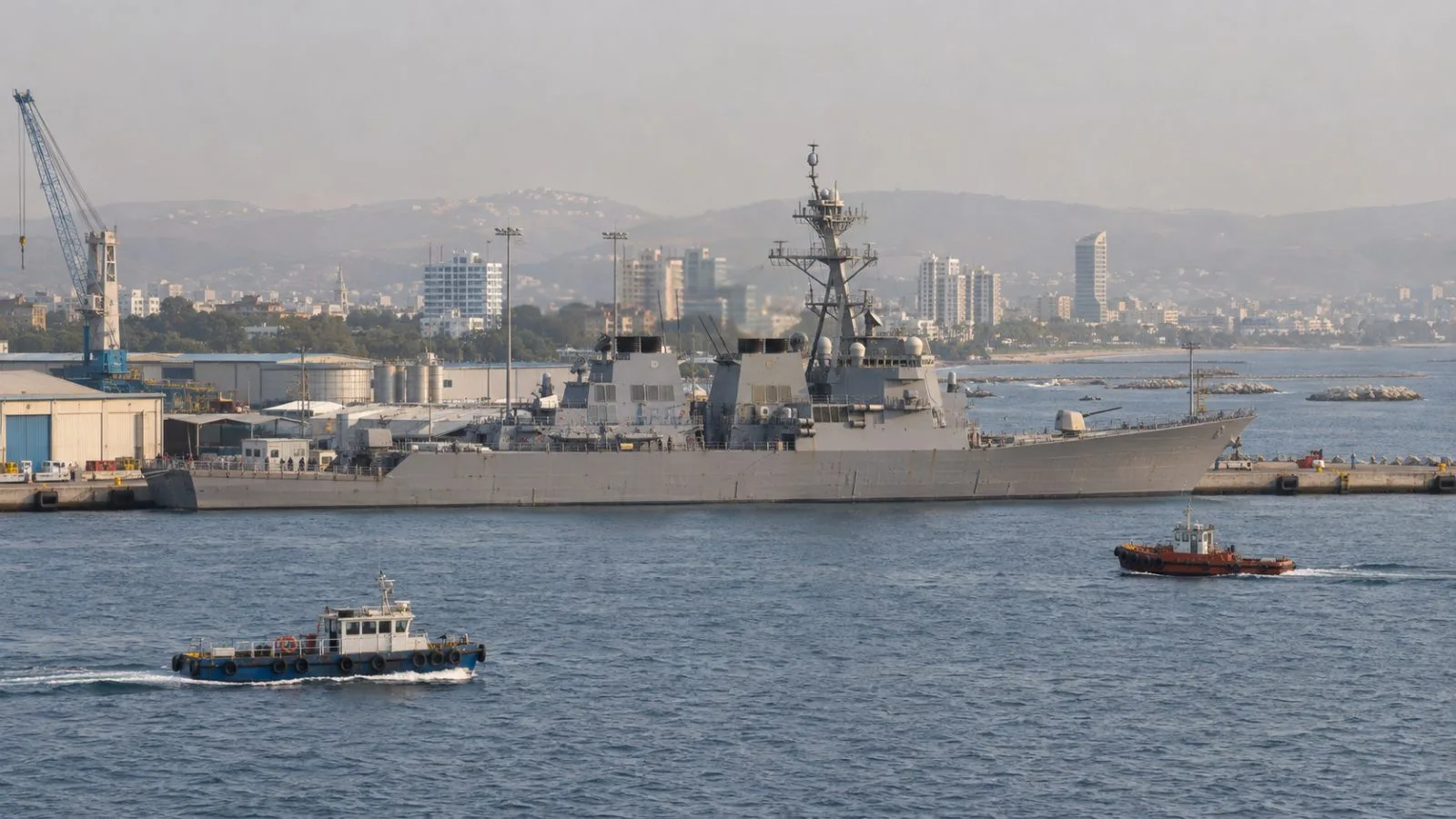
U.S. Ambassador John Breslow told the Cyprus News Agency during an Oct. 4 interview aboard the USS Roosevelt in Limassol that he expected more U.S. ship visits and joint activities. He said, “The United States is going to protect Cyprus in the future.” The bilateral roadmap sets cooperation goals but does not establish a mutual-defense commitment.
The Associated Press reported in April that U.S. funding would support upgrades at Andreas Papandreou air base and Evangelos Florakis naval base for humanitarian missions and evacuations. It reported that €500,000 ($588,000) was allocated to plan the air-base expansion; the total project cost had not been disclosed. Breslow also discussed planned work at facilities at Paphos airport in his interview with CNA.
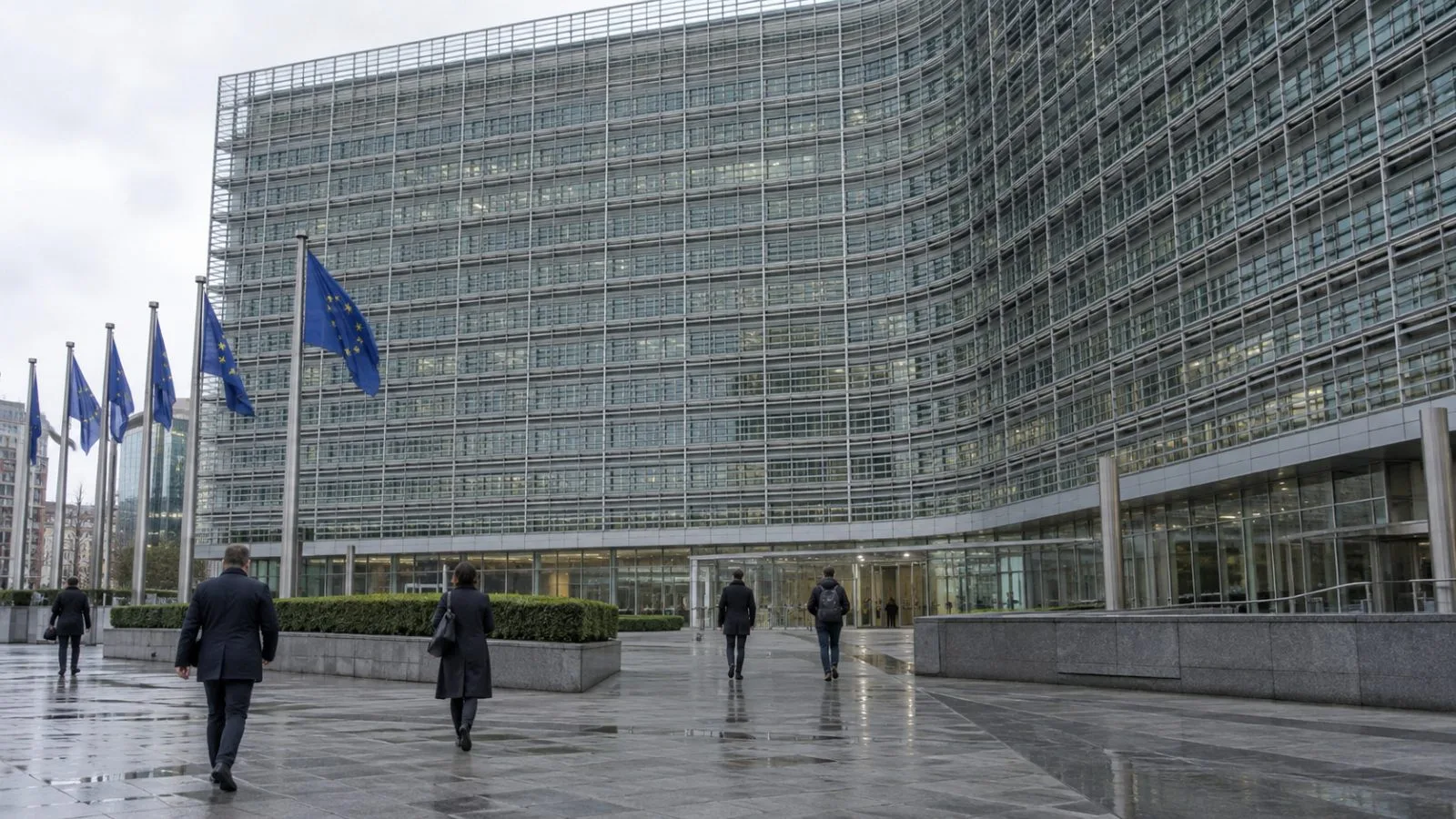
European Union financing is also part of Cyprus' defense plans. In January 2026, the European Commission endorsed a €1.18 billion investment plan under the Security Action for Europe (SAFE) program and proposed financial assistance. The Council adopted the formal implementing decision in February. Cyprus received a first payment of €177.2 million in June, equal to 15% of its allocation. SAFE support takes the form of loans that participating countries must repay.
The shift in equipment is not complete. KNEWS reported in February, citing sources, that Cyprus planned an initial replacement of 41 Russian T-80 tanks: 27 T-80U and 14 T-80UK models. Phileleftheros reported in October that Tor-M1 and Buk air-defense systems remained in the National Guard's arsenal and that no final replacement decision had been made.
Cyprus joined the Non-Aligned Movement on Sept. 6, 1961, and withdrew on May 20, 2004, the year it joined the European Union, according to Cyprus' Office of Legal Counsel and the EU country profile. U.S. defense-trade restrictions date to 1987, according to U.S. Senate bill text. CNA reported that Breslow described Senate momentum for a possible three- or five-year extension to the export suspension and named Sen. Cory Booker as interested. He said the decision rested with Congress and the president; the current rule runs through Sept. 30, 2027.