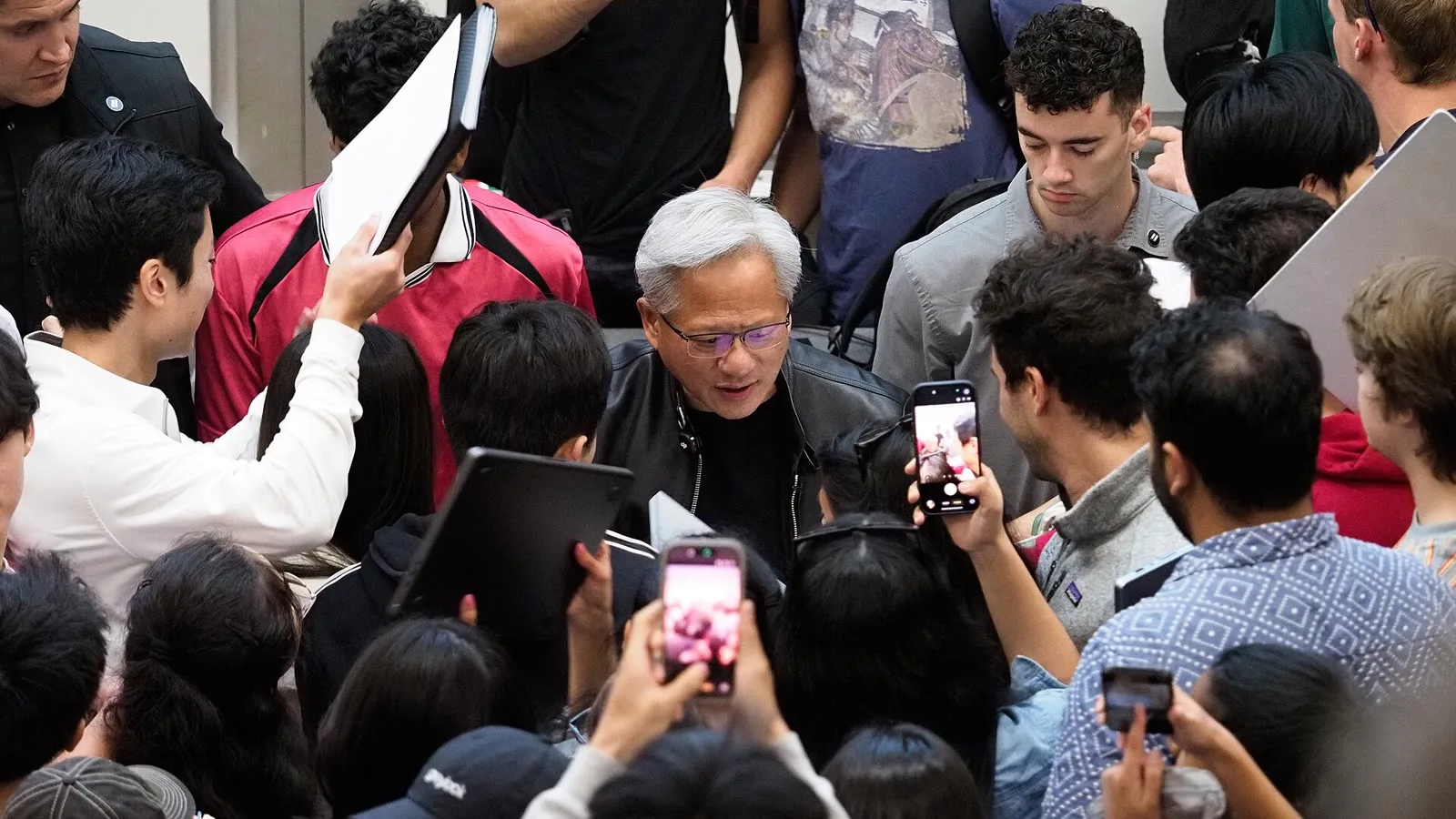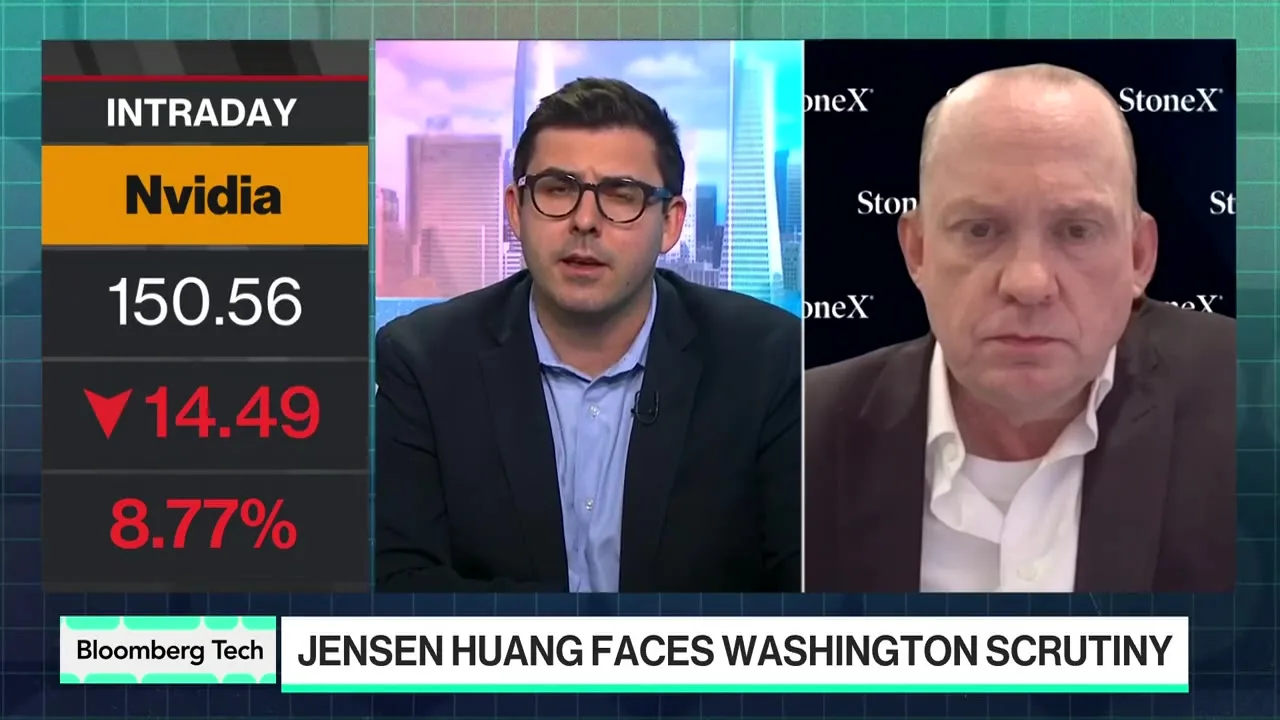
Jensen Huang's return to Nvidia resolved questions about the company's technology leadership and prompted an upgrade to buy from hold, StoneX managing director and senior semiconductor analyst Cody Acree said. The return addressed questions that Huang's departure had raised about leadership of the company's technology plans.
Acree set a $270-a-share price target for Nvidia. He said Huang's departure had raised doubts about the company's technology plans, industry relationships, financing support and data center projects. Those questions covered both the company's plans and its relationships and support across the industry.
Huang's return had “answered all of those questions for us,” Acree said on Bloomberg Technology, in an interview published Nov. 24. His assessment of the return was the basis for the upgrade from hold to buy.
Acree said restrictions on technology transfers to China and their potential effect on sales remained concerns, though he considered them less pressing. The potential effect of the restrictions on sales was among the issues that remained after Huang's return.
Asked whether he lacked confidence in Colette Crest's ability to lead the company's technology plans after earnings the previous Tuesday, Acree said that was “absolutely right.” The question concerned his confidence in Crest's ability to lead those plans.
He said Crest could help support financing but was neither a technologist nor an engineer. Nvidia needed technology leadership, he said, and Huang's absence had left the question of who would provide it unanswered. The question was who could provide the technology leadership Nvidia needed in Huang's absence.
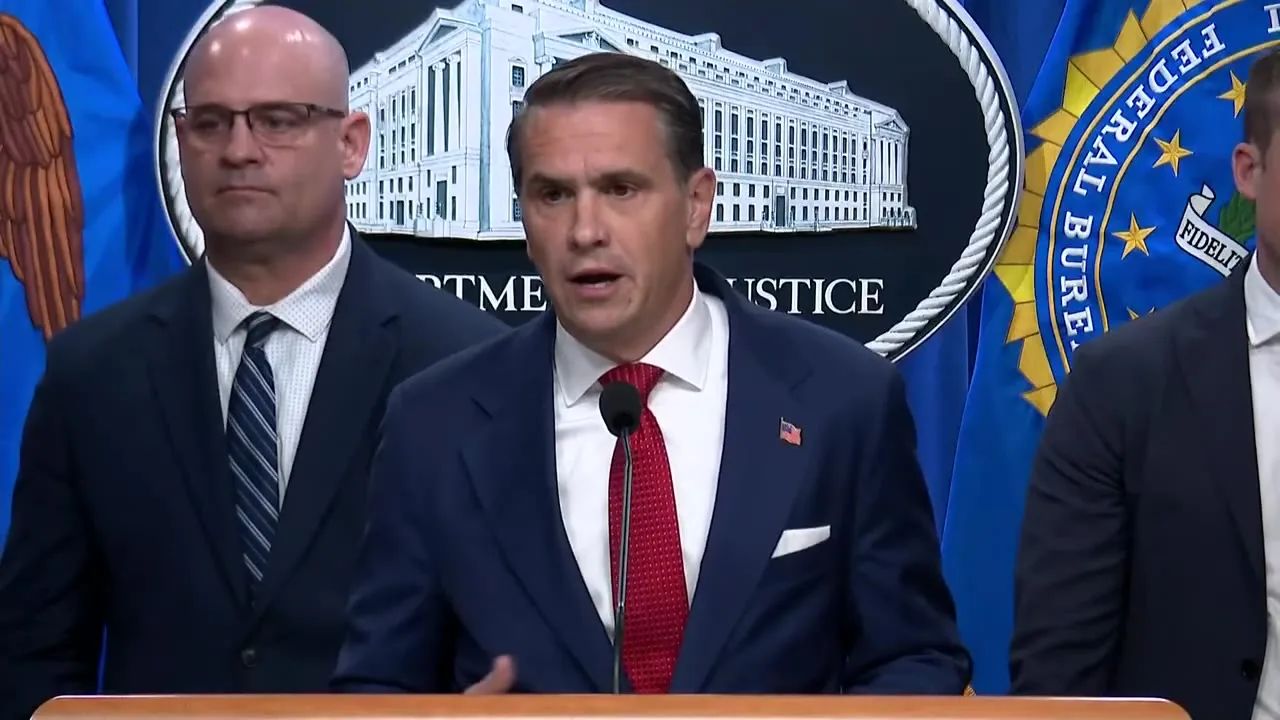
Acree said congressional hearings and government agency investigations were factors in his assessment. He called questions about China's influence on US dealings with Beijing and technology transfer policy valid. Those questions were part of his assessment alongside the hearings and investigations.
He said he believed the Trump administration would provide enough support for Huang to return to work. Acree also referred to the president's conclusion that Huang had made poor judgments but, based on the latest information available to the administration, had done nothing illegal or posing a national security risk.
Acree said he expected a tougher US stance toward China and more oversight. Investigations were continuing, he said, and questions about Huang's influence on national policy had yet to be answered. Those questions remained as the investigations continued.
The remarks left open what the investigations would find and whether US export control policy would change. Both the findings of the investigations and the question of any change to export control policy remained open.