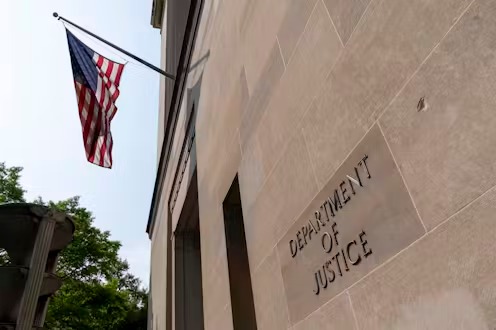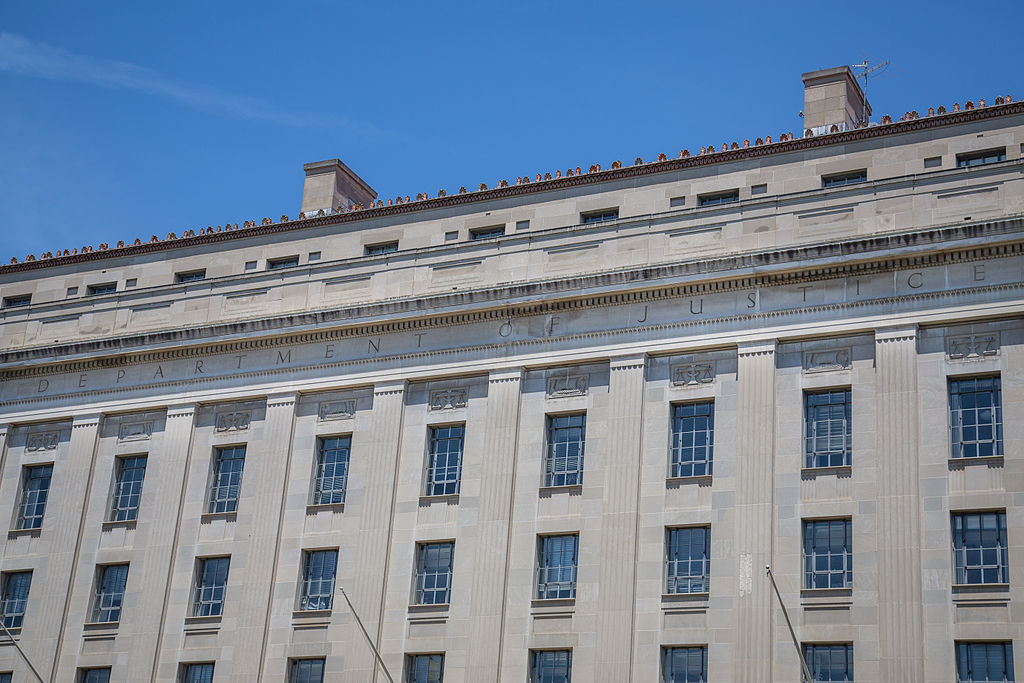
The U.S. Justice Department has renewed its request for a federal judge to remove an injunction blocking progress on President Donald Trump’s proposed White House ballroom project, arguing that a recent shooting near the White House highlights the urgent need for upgraded security measures.
In a five-page court filing submitted Sunday, the DOJ said the shooting outside a White House checkpoint on Saturday demonstrated the importance of installing “top-level, state-of-the-art security” at the presidential complex, including within the planned ballroom facility. The department described the project as essential to national security and urged the court to dismiss the lawsuit challenging the construction.
The filing strongly criticized the legal challenge, calling it “a terrible, tremendously harmful case to the United States of America, and all it stands for.”
U.S. District Judge Richard Leon, who was appointed by former President George W. Bush, ruled in April that Trump did not have the legal authority to move forward with the ballroom construction without congressional approval. Leon initially issued an injunction stopping above-ground construction work on the project. However, an appeals court quickly paused that order, allowing construction activities to continue while the legal dispute remains ongoing.
The lawsuit against the ballroom project was filed by the National Trust for Historic Preservation, a nonprofit organization created by Congress to protect historic landmarks. The group has refused to withdraw its legal challenge despite the Justice Department’s repeated requests following earlier security concerns, including a foiled attack during the White House Correspondents’ Association dinner in April.
The latest security incident occurred Saturday when a gunman opened fire near a White House security checkpoint. According to the Secret Service, officers shot the suspect, who later died at a hospital.
The Trump administration continues to argue that the White House ballroom project is necessary to improve both security infrastructure and operational capacity at the historic presidential residence.