Vermillion Research Chief Investment Officer David Nikoski warned that construction costs and financing strains could slow AI data-center expansion, while software shares showed stronger chart patterns than chip stocks amid pressure on technology and AI stocks.
Nikoski made the assessment in an Oct. 23 interview with David Lin. He said technology began losing relative strength on Oct. 2. The sector then lagged most others, he said, while declines among major technology companies weakened chart patterns in AI-related shares.
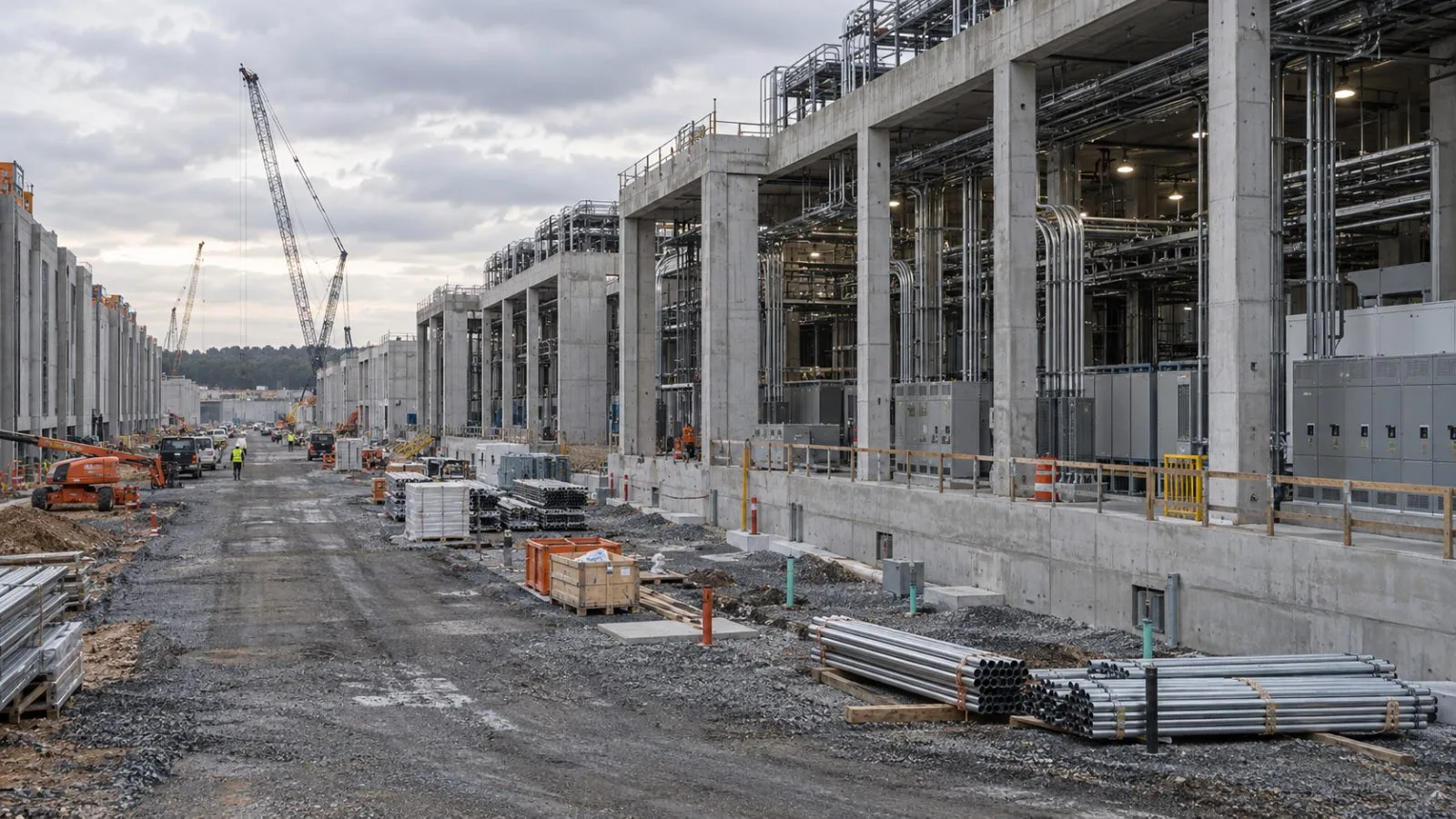
Nikoski cited engineering and construction stocks that had dropped 50% to 60% from recent highs as a sign that data-center projects could face problems with financing, approvals or power access. He also pointed to widening credit spreads at CoreWeave as a sign of investor concern. He described a possible rebound in CoreWeave shares as a short-term trade, saying the longer-term chart had broken below the lower edge of a descending triangle.
Citing Sterling’s earnings release, Nikoski said pay for electricians and plumbers and the cost of specialty steel were pressuring construction margins. He added that local opposition and limited electricity supply could leave completed facilities waiting for power.
The International Energy Agency (IEA) said data-center electricity use rose 17% in 2025 and projected total consumption to double by 2030, with use at AI-focused sites projected to triple. The agency has also cited grid-connection delays and tighter transformer supplies. EconoTimes has previously covered the IEA’s data-center power-demand outlook.
Nikoski assessed chart patterns in HubSpot, Monday.com and Adobe as stronger than those represented by SMH and the SOX index. He viewed sideways trading in semiconductor stocks as a possible topping pattern, though he said an oversold rebound remained possible. He pointed to a previous-close reading of 351 basis points for high-yield credit spreads, which he said showed strain on shares that tend to move with market swings.
Nikoski compared AI’s funding cycle with earlier investment waves in railroads, telecommunications and the internet. He argued that a pullback in financing would not erase the technology, even if it slowed its build-out.