


 How is Antarctica melting, exactly? Crucial details are beginning to come into focus
  Lake beds are rich environmental records — studying them reveals much about a place’s history
  Bitcoin Price Falls Below $83K as Liquidations Hit $697M
  BofA Raises Coinbase Stock Target to $203 on Stablecoin Growth
  Swimming in the sweet spot: how marine animals save energy on long journeys
  Parasites are ecological dark matter – and they need protecting
  Burkina Faso and Mali’s fabulous flora: new plant life record released
  The world’s biggest trees could hold the secret to coping with drought
  Kazakhstan and Tether Explore Tenge Stablecoin and RWA Tokenization
  Unsustainable – or manageable? We don’t yet know how data centres will impact Australia’s environment
  What’s so special about Ukraine’s minerals? A geologist explains
  JPMorgan CEO Jamie Dimon Warns Mythos AI Raises Cyber Risk Tenfold
  LA fires: Long-term exposure to wildfire smoke is poorly understood − and a growing risk
  U.S. Government Moves Over $100M in Bitcoin and BNB


 Add as a preferred source on Google
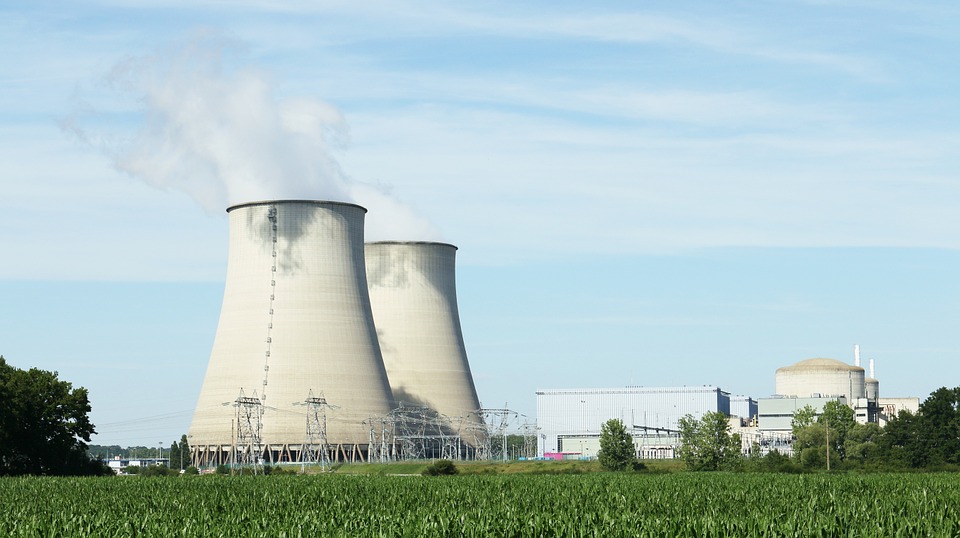

Modelling done for the Climate Institute indicates that without big policy changes Australia’s path to zero emissions from the electricity sector by 2050 would mean huge disruption after 2030.
The report, “A Switch in Time: Enabling the electricity sector’s transition to net zero emissions”, warns that a weak policy now means big adjustments later, and calls for a range of initiatives including a program to progressively shut down power stations.
Electricity emissions are about 30% of Australia’s total emissions. They have risen by 5.5% in the past two years due to some increasing demand and the scrapping of Labor’s carbon price.
Climate Institute CEO John Connor said the modelling found that a modest carbon price rising to $40 per tonne by 2030 would result in emissions reductions similar to the Coalition government’s 2030 target of 26-28% below 2005 levels.
But “this would result in almost no replacement of existing high-carbon power stations with clean energy; a 60% collapse in projected clean energy growth from 2020 followed by stagnation through most of the 2020s, and 98% of the sector’s 30 year carbon budget used up in the first 10 years”.
This meant that the action on climate after 2030 would have to be more extreme, Connor said.
“More than 80% of the coal-fired generation fleet would have to be closed in less than five years, and new clean energy capacity would have to jump four fold and keep rising. The impact of such a disruptive shift would be felt across the economy.”
The government currently has a “direct action” policy, while Labor is crafting a new version of emissions trading and related policies with the details still to be announced. The government plans a 2017 review of the policies needed for its 2030 and longer term targets.
The Climate Institute calls for the systematic retiring of existing high carbon generators on a timeline that would have them all stopped by 2035. The policy should facilitate replacing them with zero or near zero emission energy, it says.
There should be a well funded structural adjustment package for communities affected by the closures; energy efficient policies to minimise costs to energy users and further reduce emissions; and a carbon pricing mechanism capable of scaling up over time that provides a signal to investors.
“There is a low probability that a price of sufficient strength and reliability will emerge quickly”, so the other measures proposed would be needed to deliver a timely transition, the report says.
The report estimates the additional cost to build and operate the new power infrastructure would be about $50 billion over the 30 years 2020-2050. But it argues the disruptive costs to jobs, communities and energy security of other approaches would be more than this.
The preferred approach would represent an increase in retail energy prices of 3% a year although bills would not go up by this much if energy efficiency was improved.
The report says that while both major political parties “have acknowledged the need to achieve net zero emissions, existing climate and energy policies provide no prospect of reaching this goal”.
The research was done by leading electricity market modeller Jacobs to test the ability of policy options under discussion to reduce electricity emissions in line with the Paris commitment to limit global warming to 1.5-2°C.
- Reporting with James Whitmore
 Michelle Grattan does not work for, consult, own shares in or receive funding from any company or organization that would benefit from this article, and has disclosed no relevant affiliations beyond the academic appointment above.
Michelle Grattan, Professorial Fellow, University of Canberra
This article was originally published on The Conversation. Read the original article.







