


 US Condemns China Sanctions on Taiwan Allies Belize and Paraguay
  Trump Announces Russia-Ukraine Energy Ceasefire as Zelenskiy Awaits Details
  Zcash Plans Quantum-Resistant Security Upgrade for January
  TSMC Profit Set to Surge 65% as AI Chip Demand Drives Record Earnings
  North Korea Fires Ballistic Missiles as Tensions With South Korea Escalate
  Jameson Lopp Downplays AI Threat to Bitcoin Cryptography
  Meta Launches Muse Wonder AI Models, Shares Rise 3.7%
  Moonshot AI Executives Seek Settlement Ahead of Hong Kong IPO
  Apple Supplier Luxshare Sees Limited Impact From US Patent Probe
  Apple Names Steve Smith M&A Chief in Leadership Shakeup
  US Suspends Microsoft, Adobe From Green Card Program
  Russian Strikes Kill Six in Ukraine, Including Three in Kharkiv
  European Auto Stocks Rise as EU-China Trade Deal Targets Hybrid Imports
  Yandex Data Center Hit by Drone Strike as Russia-Ukraine Cyber Infrastructure Attacks Escalate
  Zelenskiy Offers Russia Energy Truce Amid Trump Pressure
  Trump Plans White House Shake-Up of Key AI Safety Agency


 Add as a preferred source on Google
It’s a bumper year for elections on the continent: by the end of 2024, 20 countries ought to have gone to the polls to vote in national elections. A handful of others are also scheduled to conduct local-level elections. As is the case elsewhere in the world, digital technologies have come to play a key role in African elections and political life more broadly – sometimes, but not always, in positive ways.
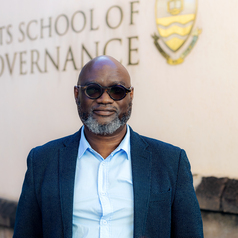
Maxwell Maseko researches digital governance and media. He recently published a book chapter examining the potential threats and benefits to democracy that digital technologies pose in African countries. He explains what he found.
Can African countries use digital technology to strengthen democracy?
In recent years, more people in African countries have been able to access the internet than ever before. This growth has been driven by improved telecommunication infrastructure and the rising adoption of mobile devices.
At the same time there’s been a worrying democratic decline in some countries and regions, most markedly north Africa. This is marked by an increase in military regimes, a rise in violent conflicts and growing public dissatisfaction with political systems.
Today social media platforms like X (formerly known as Twitter), WhatsApp and Facebook are regularly used for debate, and to mobilise citizens and organise protests.
Examples include the 2010 Arab Spring in north African and Middle Eastern countries and South Africa’s #FeesMustFall protests beginning in 2015.
During Zambia’s “bush protests” in 2020 a reported 500,000 people tuned in online to social media platforms to listen to their leaders criticise alleged government corruption.
That’s just one example of how digital technology can strengthen democracy by allowing citizens to get involved. Others include improving health and education services and strengthening tax and revenue collection methods.
What kind of digital technologies can be used? And how?
Many African countries have weak election management systems. Citizens are rightly worried about human interference in electoral processes, as well as a lack of transparency and oversight.
A study of India and some countries in the Americas and Europe suggests that digital technologies can be used to restore the credibility and integrity of elections.
This approach is already being taken in some countries on the continent – mostly those like Kenya and South Africa, which are considered stronger democracies than their peers.
In its 2021 local government elections, South Africa piloted the use of Voter Management Devices to replace scanners. The machines were used to verify voters and address the issue of double voting.
There were, however, some hiccups in practice. Internet connection issues were reported on voting day. That left about 100,000 people unable to cast their vote. Despite this mishap – and recent concerns raised by members of parliament about the machines’ efficiency – the devices are expected to be used again in the 2024 national elections on 29 May.
Social media platforms are also well used by South Africa’s Independent Electoral Commission and various political parties to promote voter education and registration, political campaigning, and debate on key national issues. This is a good way to try to reach the country’s more than 45 million active internet users out of a population of over 60 million.
Kenya also views the adoption of technology as an important step in improving accountability, transparency and citizen participation in democratic processes previously tainted by controversy and mistrust. Today Kenyans use social media platforms like X, Facebook and Instagram to voice opinions about various issues. Politicians also use these platforms to campaign and mobilise supporters.
Its Integrated Electoral Management System includes technology for biometric voter registration and electronic voter identification.
Electronic voting (e-voting), however, is a long way from being a reality in African countries. According to the World Economic Forum, the benefits of e-voting include more efficient elections and a faster vote count.
Elsewhere, Brazil, India, the US and Estonia have piloted e-voting.
In 2014, Namibia became the first African country to adopt electronic voting machines. Though the system was prone to technical glitches, the machines were used again in Namibia’s 2019 presidential elections.
What about government misuse?
In line with the democratic decline in some countries and regions that I mentioned earlier, we’ve seen a number of governments throttling their citizens’ internet access to prevent people from organising, mobilising or even discussing their grievances with their leaders.
Ethiopia, for instance, has since the early 2000s shut down the internet and on numerous occasions censored online material. Its government also uses the internet as a surveillance tool. Ethiopia’s Center for Advancement of Rights and Democracy says internet access remains unequal and expensive.
In the Democratic Republic of Congo, there were several internet shutdowns before the presidential elections in December 2018. But even when the internet is functioning, it’s not very accessible. In a country of over 70 million people, only 22.9% were connected at the beginning of 2023. This is due to limited infrastructure and high access costs.
What needs to change?
African leaders need to remember that an election is not always a sign of a healthy democracy, although it gives citizens a chance to choose and evaluate their leaders. A positive attitude towards technology will go some way towards strengthening democracy.
Attitude, of course, won’t be sufficient. Authorities must create social, political and economic conditions that are conducive to ensuring digital benefits reach everyone. This will require political will, skilled artisans with a general understanding of basic technology, proper information and communications technology infrastructure, affordable data and legislation.
That access and technology must then be put to work to introduce modern balloting methods.







