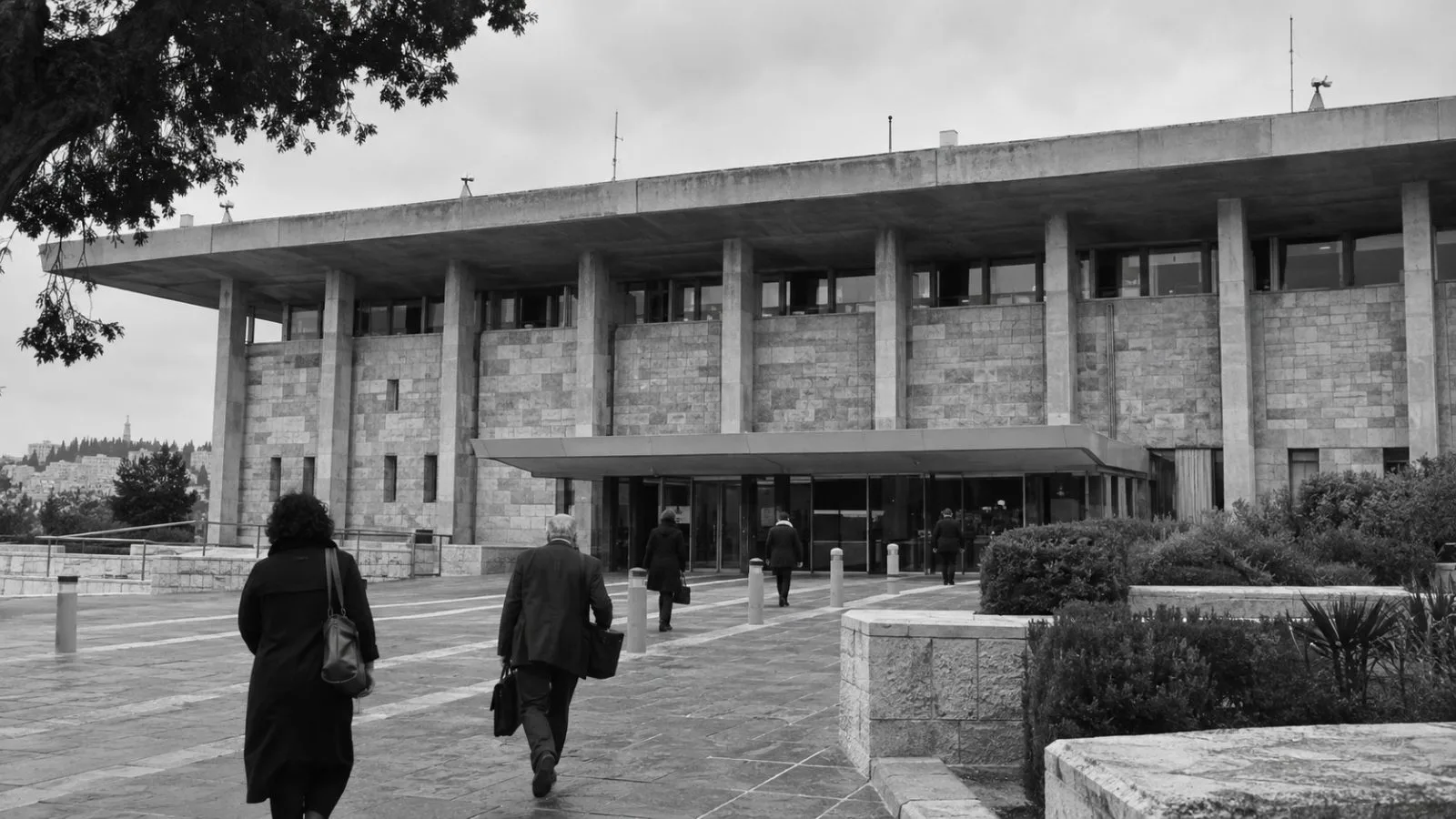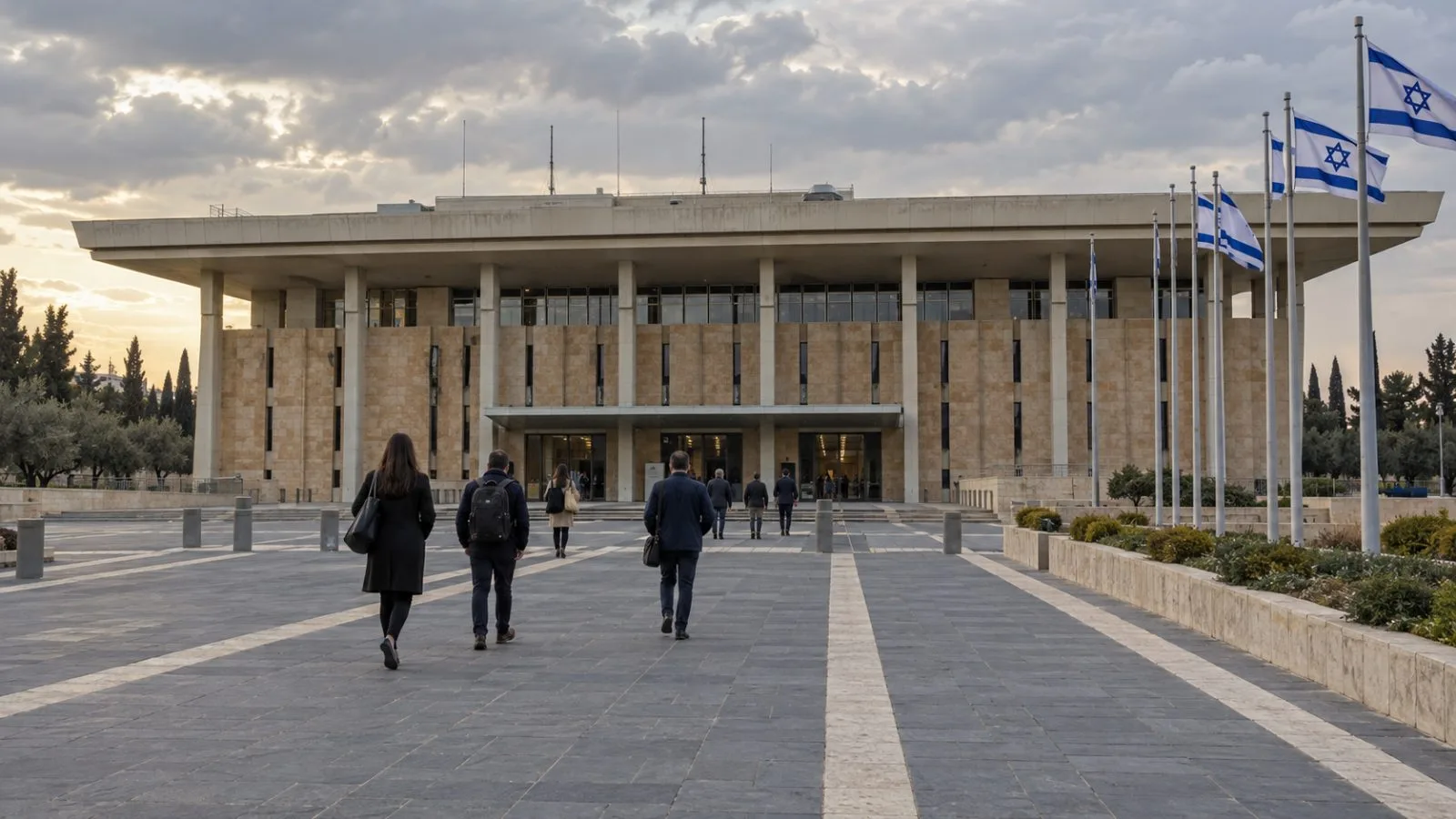
Israel’s new Knesset is set to convene with Prime Minister Benjamin Netanyahu still in caretaker office, while his 53-seat bloc leaves lawmakers room to press inquiries and seek policy reversals.
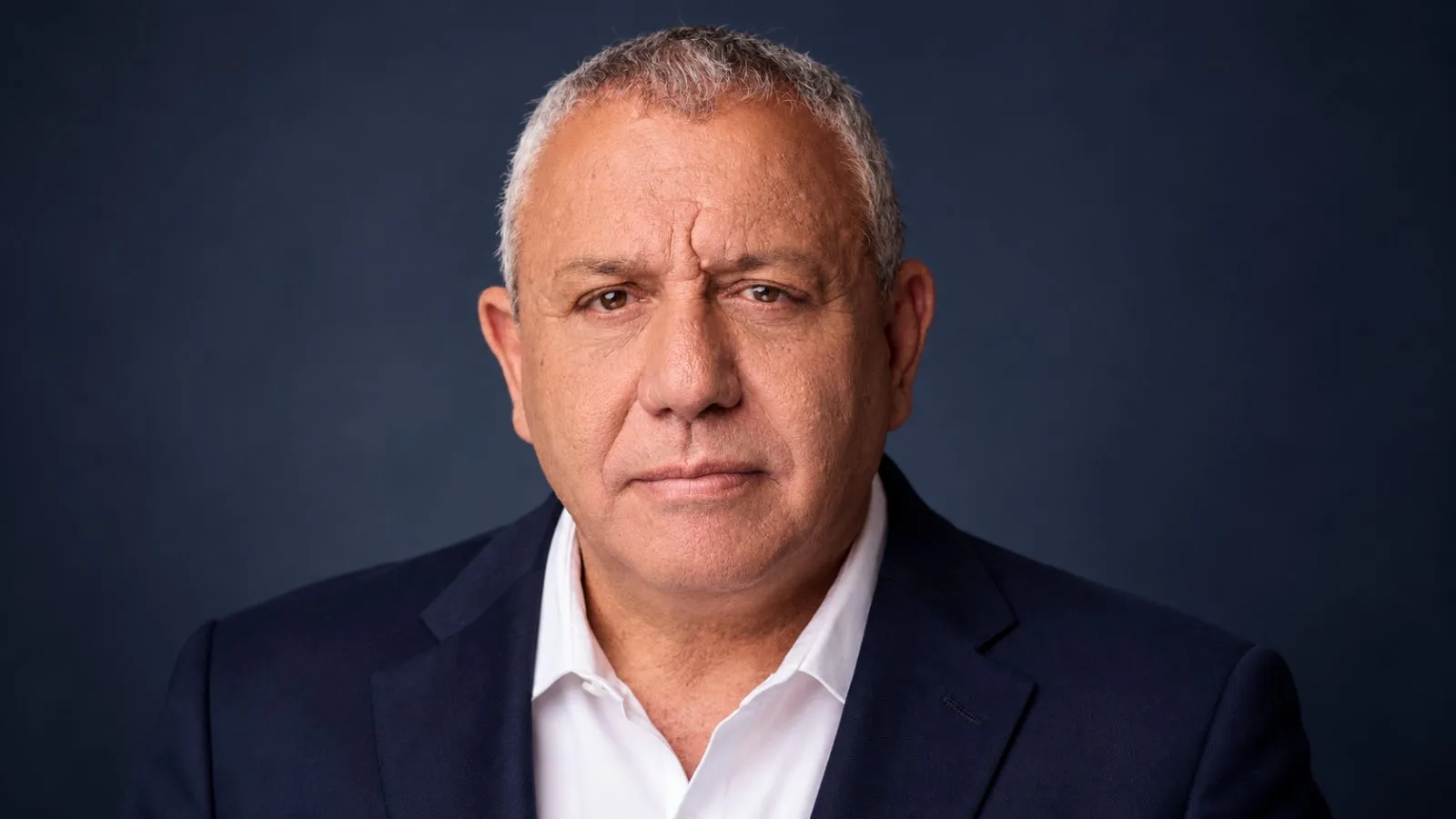
President Isaac Herzog gave former military chief Gadi Eisenkot the mandate to form a government on Nov. 8, The Straits Times reported. A Petek tracker based on Central Elections Committee data puts Netanyahu’s bloc at 53 seats, down from 68 in the previous Parliament, and Eisenkot’s core opposition bloc at 48. The 120-member Knesset also includes 19 lawmakers from Arab-majority parties; neither man has a parliamentary majority, the newspaper reported. EconoTimes previously reported on President Donald Trump’s openness to joining Israel’s coalition talks.
A commission to examine Israeli security lapses that left the country vulnerable to Hamas’ Oct. 7, 2023, attack was a key opposition pledge. Netanyahu’s government has opposed an independent inquiry with broad powers, while he has backed a review by political appointees, The Straits Times reported. Assaf Shapira of the Israel Democracy Institute said lawmakers could create a special committee on the attack and later pass its findings to a future commission. Shapira said the lack of a new government “does not infringe upon the Knesset’s prerogatives.”
Lawmakers may also target measures that narrowed the Supreme Court’s powers and made it easier to remove the attorney-general. They could seek to roll back military-service exemptions for ultra-Orthodox Jews. The Straits Times reported that the judicial changes prompted some of Israel’s largest protests; the exemptions angered many Israelis as the military was stretched, while ultra-Orthodox parties considered the rules insufficient.
Letters sent on Nov. 5 by three parties in Eisenkot’s bloc asked outgoing Speaker Amir Ohana to schedule the election for the opening sitting. Ohana, a Likud ally of Netanyahu, said the customary time is when a new government is sworn in; Shapira said choosing a speaker at the opening session was more common. Parliamentary rules require a speaker to be chosen before a new government can be sworn in and allow the election at the opening sitting, The Straits Times reported. Opposition figure Naftali Bennett urged action on the bloc’s priorities, saying, “We will take control of the Knesset as quickly as possible.”
The Knesset is scheduled to convene Nov. 10, with the speaker dispute identified by The Straits Times as the first expected clash.