Democrats could press for more Ukraine aid and tougher Russia sanctions while President Donald Trump retains broad unilateral powers, Chris Kennedy, Bloomberg Economics' economic statecraft lead, said after the congressional election.
Democratic control of Congress would give the party control over spending, but would leave much of Trump's authority intact. Kennedy spoke on Bloomberg Television's “Democrats Could Reshape Trump's Foreign Policy,” published Nov. 7.
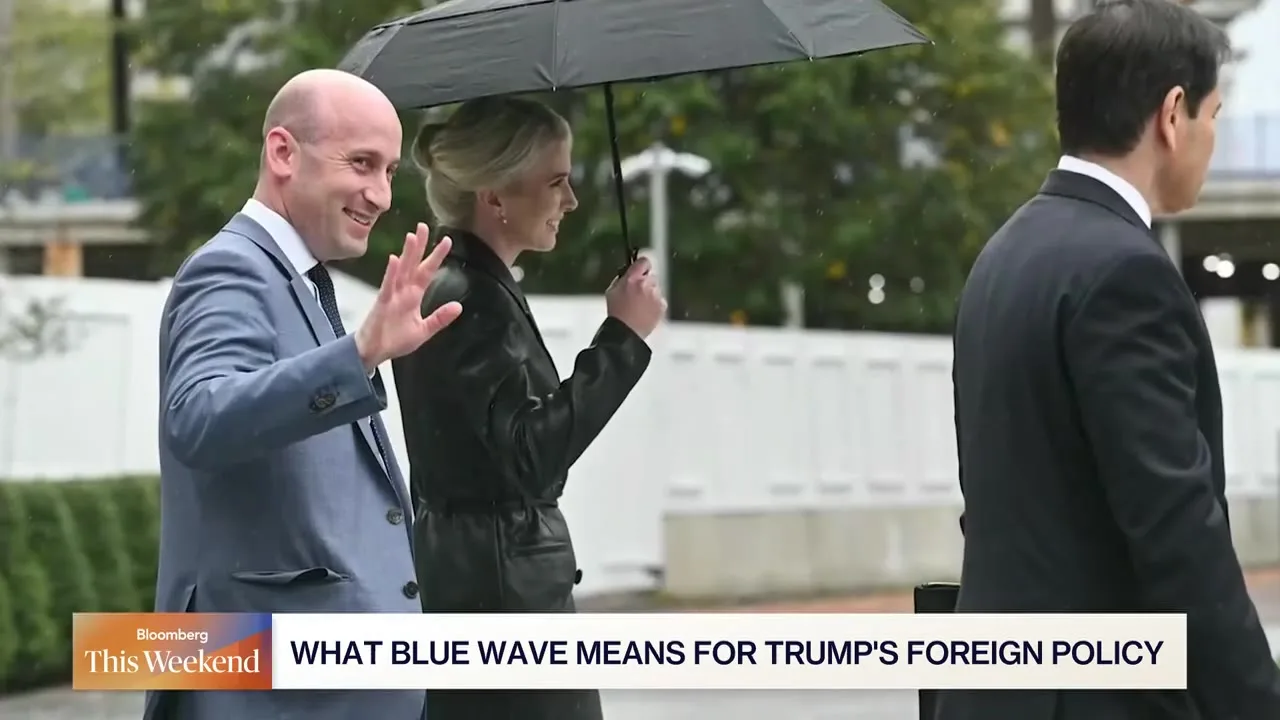
Kennedy linked Stephen Miller's appointment to an approach that seeks to expand presidential power. He expected the administration to pursue more action without Congress as Trump faces Democratic opposition.
“It's less about advocating for the war per se,” Kennedy said of Miller's influence, describing it instead as an effort to act outside Congress.
Trump had promised possible action on Iran after the election, but none had followed at the time of the interview. Kennedy described the next few weeks as uncertain, with the incoming Democratic Congress narrowing the administration's window to act.
Presidents retain broad authority to use military force abroad. Congress has also delegated tariff powers to presidents over the past century, allowing them to impose and maintain duties without congressional approval.
Democrats could block additional war funding, but Trump still has offensive weapons available if he chooses to resume hostilities with Iran. Kennedy expected him to continue using his existing powers.
On Ukraine, Kennedy expected Democrats to seek additional aid and attach funding provisions to legislation. He also expected them to force votes on Russia sanctions that Republican congressional leaders Mike Johnson and John Thune had kept from the floor.
Those votes could expose Republican disagreements over Trump's policies. Whether Democrats could assemble enough support to override a presidential veto remained uncertain.
Democrats would also seek testimony from administration officials about decisions involving export controls and Russia and Ukraine policy. Whether the administration would comply remained open, while corporate leaders could also face requests to testify.
Kennedy expected those investigations to focus on Americans' living costs, continuing an election message that connected Trump's actions and alleged corruption to affordability. He expected Democrats to carry that message toward 2028.
The outgoing Congress still had two months to act. Kennedy cited a December budget deadline requiring temporary funding legislation or a broader budget bill sought by some Republicans.
He expected Democrats to slow judicial nominations, potentially stopping confirmations to appellate courts and the Supreme Court. Further administration resignations could also create vacancies requiring Senate confirmation before year-end.
Kennedy expected little Republican resistance before the current Congress ended. Defections could emerge when Democrats force difficult votes in January, particularly if Trump's popularity stays low and Republican presidential contenders begin positioning themselves for 2028.
In a recording played during the interview, Trump said Russia and Ukraine wanted a settlement that would involve Europe. Kennedy questioned how soon an agreement could emerge, saying Russia would have to be forced to abandon its fight.