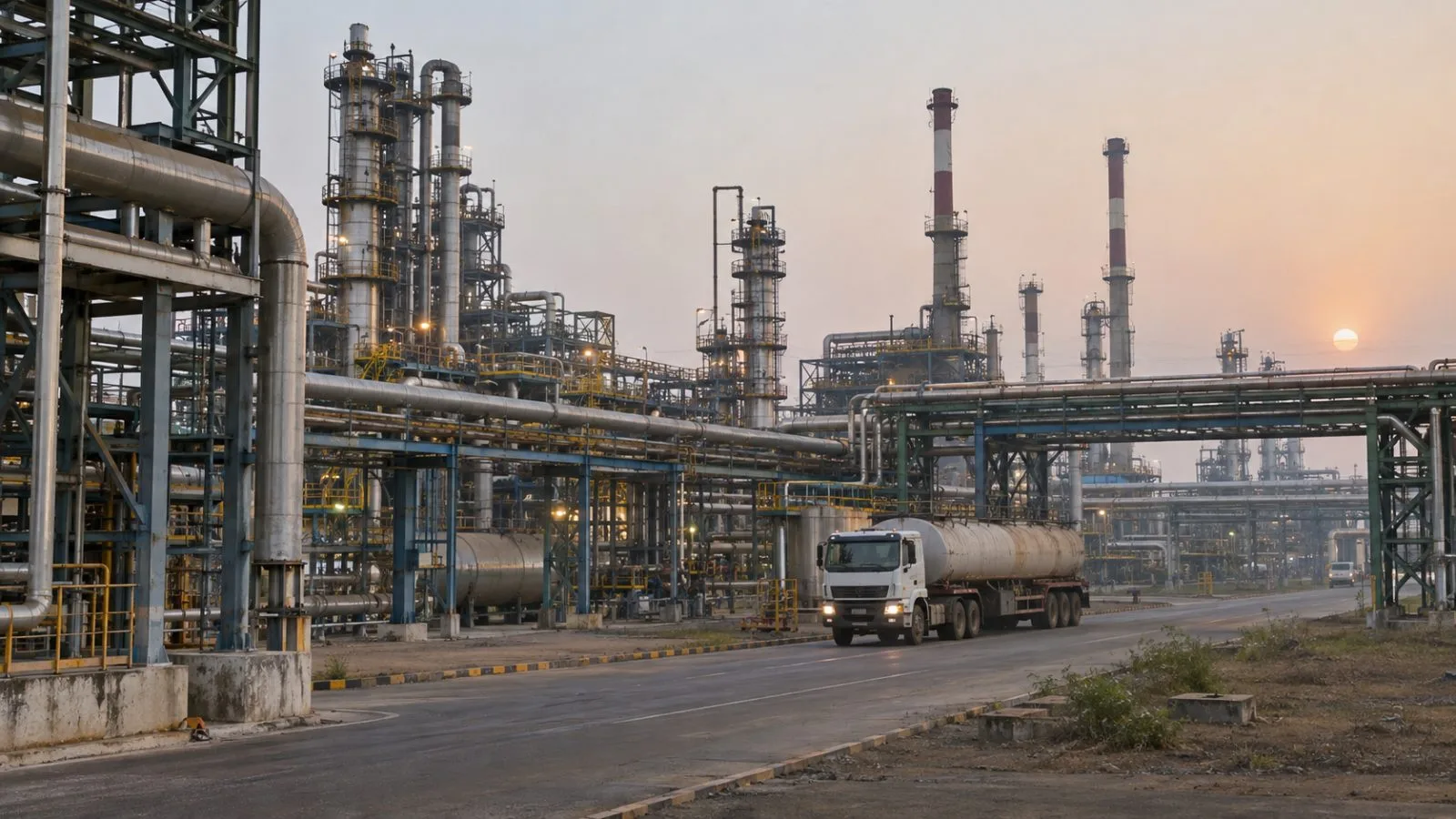
Oil tanker traffic through the Strait of Hormuz has returned to prewar levels following a US waiver of maritime shipping regulations and naval escorts. However, analysts said the cost savings for US consumers remain limited.
According to the Center for Strategic and International Studies (CSIS) analysis, “Changes in Energy Markets in 2026: Supply Bottlenecks and the Competition for Secure Crude Oil,” released on November 26, the waiver of the Jones Act and the US Navy’s operation of a safe passage through the Strait of Hormuz have proceeded relatively smoothly.
The Donald Trump administration temporarily relaxed the Jones Act requirement that cargo transported between US ports use US-flagged vessels built in the United States and crewed by US mariners. The administration extended the waiver on November 15. As a result, refiners have been able to continue saving about $0.82 per barrel of diesel.
With US Navy support, crude oil tankers passing through the Strait of Hormuz also returned to prewar levels. However, the analysis said deploying the military to support commercial shipping incurs enormous costs, making it uncertain whether this approach can continue in the future.
Regardless of how the conflict between the United States and Iran unfolds, the Strait of Hormuz will remain a bottleneck through which 20% of the world’s seaborne crude oil passes. Gulf oil-producing countries have aggressively expanded refining facilities over the past 20 years, securing about 80% of the Asian petroleum products market.
CSIS researchers Marsha Kotkin and intern Chelsea Gilchrist said Gulf oil producers could increase investment in refining and storage facilities near customers in Japan, India, China and South Korea to reduce the risk of future supply disruptions. They also proposed investing in storage facilities in the United States. This, they explained, could reduce the risk of large-scale crude production shutdowns when conflict recurs in the Gulf region.
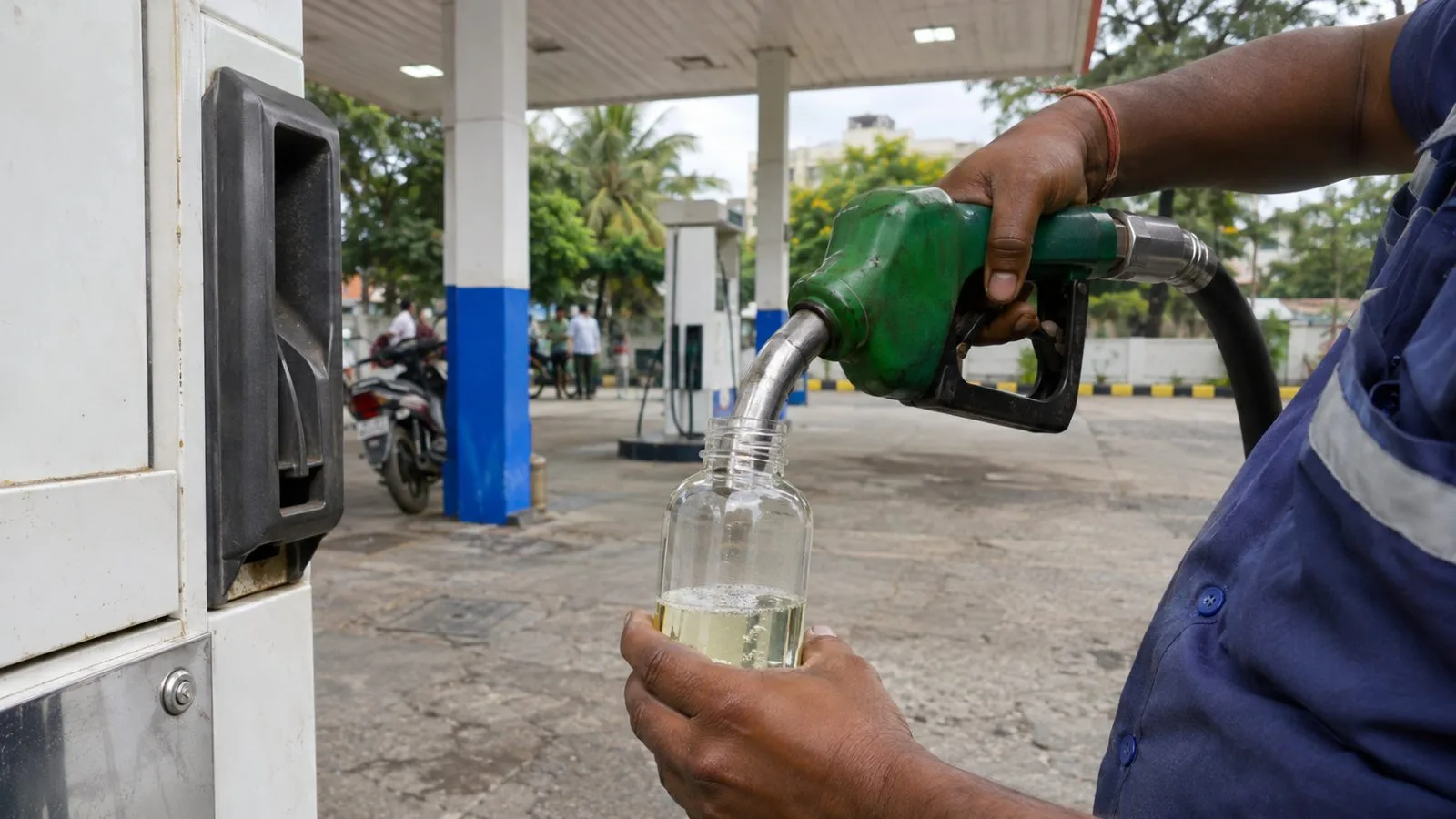
The crisis has also increased the burden on US farmers and truck drivers operating diesel-powered machinery. The authors analyzed that regular engine maintenance, adjusting travel routes and improving driving habits could reduce diesel costs by 10% to 20%. They added that bulk diesel purchases can also help, but are effective only when prices are falling.