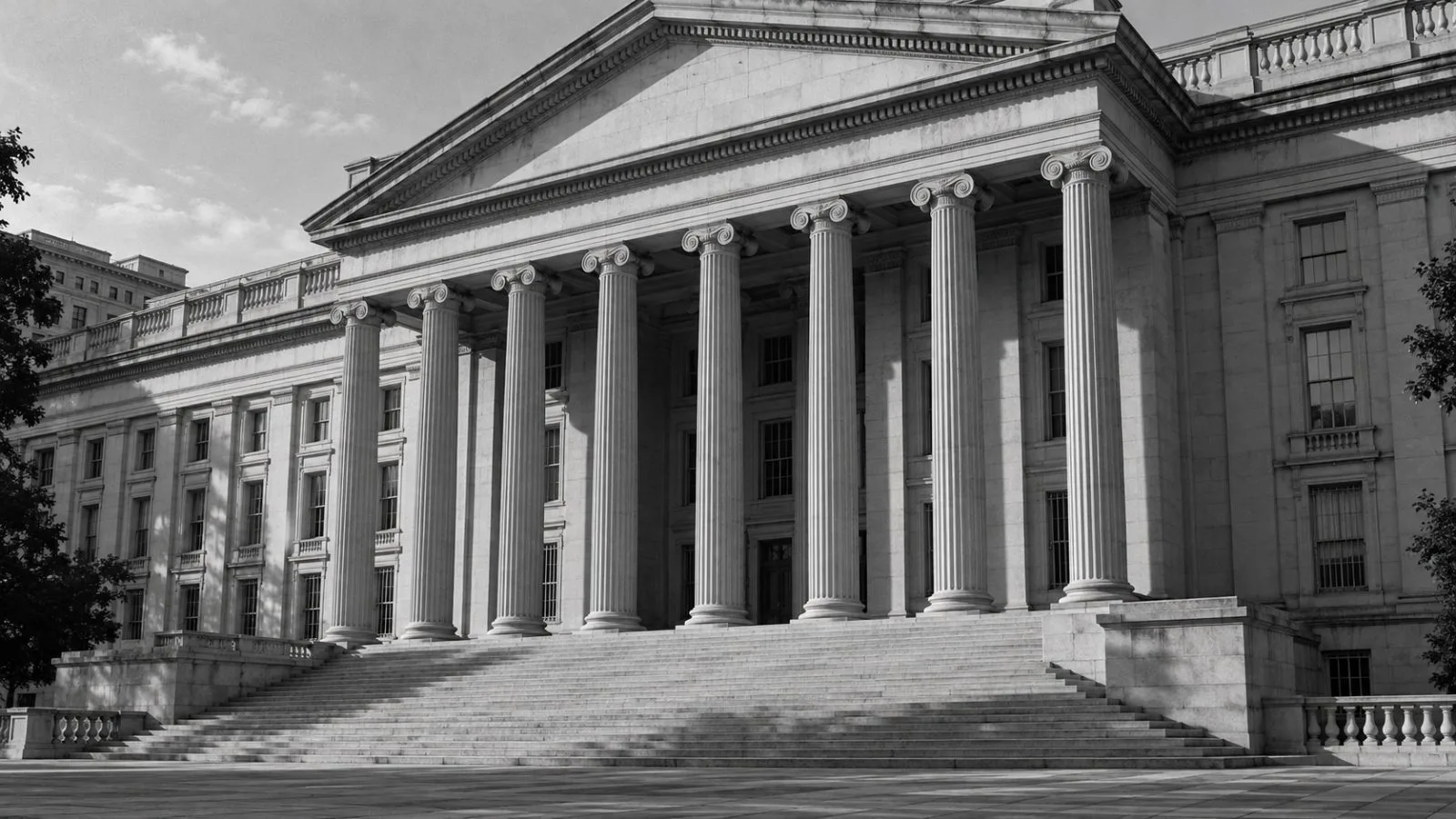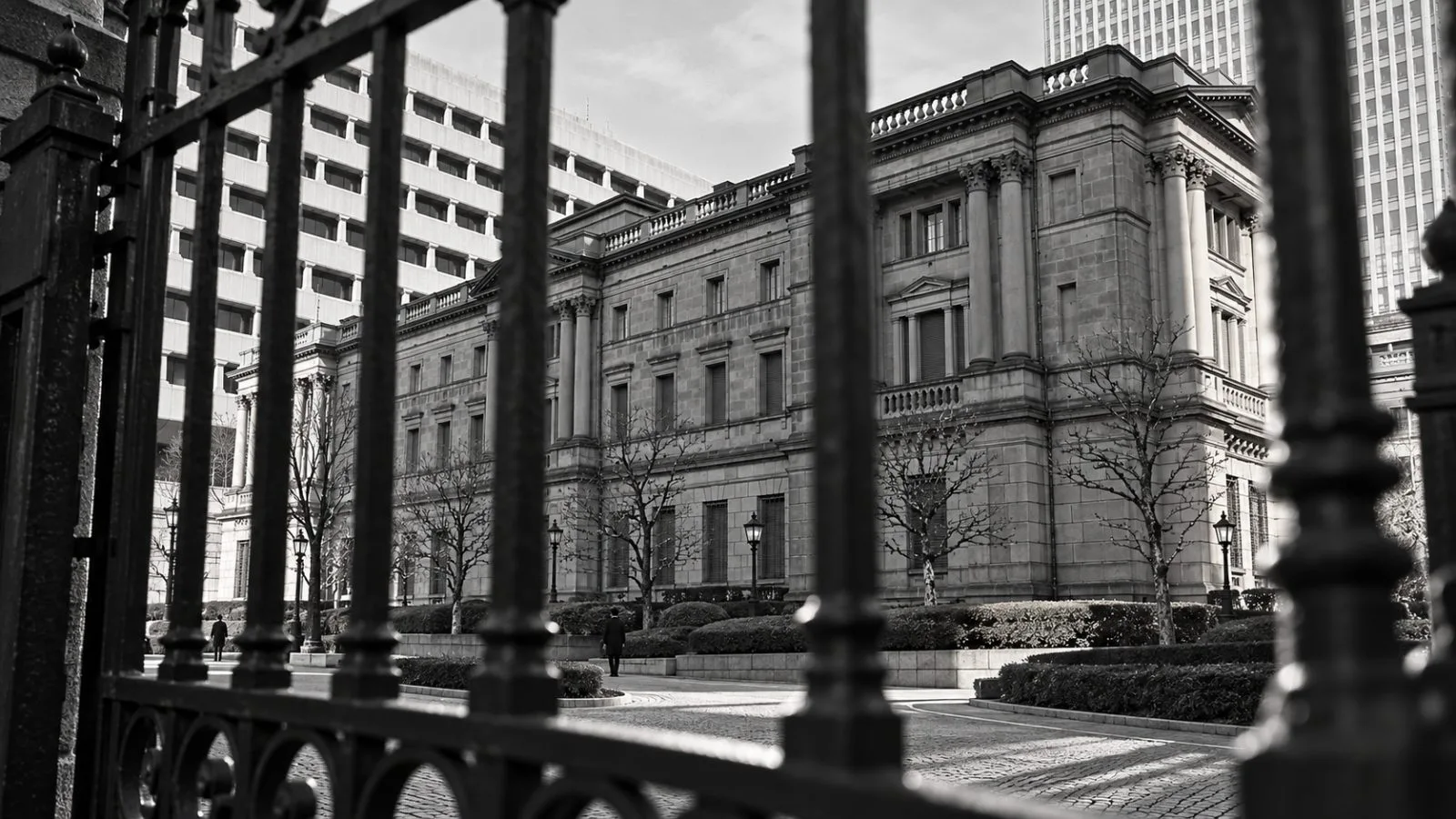
Japanese Prime Minister Sanae Takaichi reportedly cited contact with U.S. financial authorities on currency markets Friday as the dollar briefly topped ¥160, amid a history of U.S.-Japan coordination on intervention.
FXStreet reported Takaichi said Japan was in close contact with U.S. financial authorities and would strive to preserve an orderly foreign-exchange market. Traders Web carried a similar account of her remarks.
The Bank of Japan recorded a dollar-yen range of ¥159.66 to ¥160.19 on Nov. 13. Its 08:00 UTC (17:00 JST) spot quote was ¥159.84 to ¥159.86, below ¥160.
In a Sept. 11, 2025, joint statement, Japan’s and the United States’ finance ministers backed market-set exchange rates and warned that large swings or disorderly conditions could put economic and financial stability at risk.
Japan’s Ministry of Finance said in an Aug. 3 statement that the July 31 yen purchase was coordinated with the U.S. Treasury. The ministry reported ¥15,399.3 billion in intervention from July through September 2026, with Japan selling dollars and buying yen on July 30, July 31 and Aug. 3. In September, Finance Minister Satsuki Katayama and U.S. Treasury Secretary Scott Bessent discussed financial-market developments and reaffirmed cooperation, the ministry said.
The Federal Reserve Bank of New York (New York Fed) said it bought ¥79.4 billion in yen on July 31 while acting as the Treasury’s fiscal agent. It funded the purchase by selling euros from the Exchange Stabilization Fund. The report said the Federal Reserve itself did not intervene in foreign-exchange markets during the quarter.
Japan’s next monthly intervention report is scheduled for Nov. 30 and will cover Oct. 29 through Nov. 26. The ministry releases aggregate totals monthly and transaction-level details quarterly.