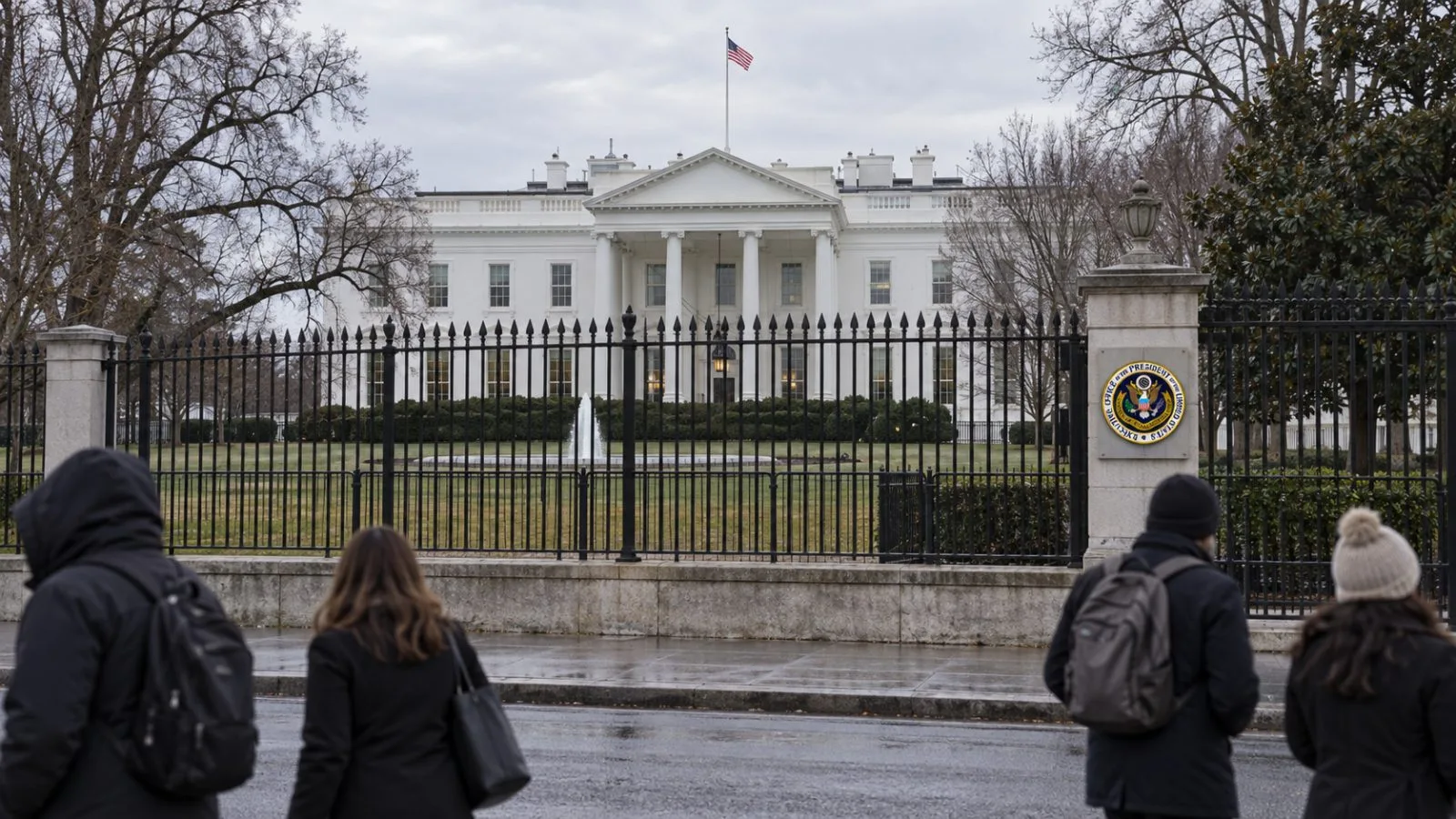
The U.S. dollar slipped on Wednesday as investors shifted away from safe-haven assets and moved toward riskier investments following renewed optimism over a possible peace agreement between Washington and Tehran. The decline came as reports suggested the White House and Iran were nearing a framework agreement that could ease tensions in the Middle East and reduce pressure on global oil markets.
The U.S. Dollar Index, which measures the greenback against a basket of major currencies, fell by 0.4% to 98.05. Market sentiment improved after reports indicated that both nations were discussing a temporary nuclear agreement that could eventually lead to sanctions relief and the release of frozen Iranian assets. Investors also reacted positively to signs that restrictions surrounding the Strait of Hormuz may be eased, helping calm fears over disruptions to global oil supplies.
President Donald Trump stated that if Iran accepts the proposed terms, tensions could significantly decline and commercial transit through the Strait of Hormuz would reopen fully. However, he warned that military action could intensify if negotiations fail. The developments pushed oil prices slightly lower, although prices remain elevated compared to pre-conflict levels. Analysts believe lower oil prices could weaken the dollar further by reducing the United States’ relative economic advantage in energy markets.
Meanwhile, the Japanese yen strengthened sharply against the dollar as traders anticipated possible currency intervention by Japanese authorities. The yen gained nearly 1%, with investors believing Tokyo may step in again to prevent the USD/JPY pair from rising above the key 160 level. Japanese officials have repeatedly warned against excessive currency speculation in recent weeks.
Elsewhere, the euro and British pound also posted gains against the dollar, while the Australian dollar climbed after Australia’s central bank raised interest rates for a third consecutive meeting.