


 Asian Currencies Mixed as Yen Rallies on BOJ Bets
  Trump Grants Clemency to Jay-Z Associate Emory Jones
  US Stock Futures Mixed as Strong Jobs Data Boosts Fed Rate Hike Bets
  JPMorgan Sees ECB Raising Rates to 2.75% in December
  Oil Prices Rise as Hormuz Tensions Threaten Supply
  Jefferies Names 6 Top India Stock Picks Across Key Sectors
  SEC Proposes ‘Regulation Crypto Assets’ Framework for Crypto Fundraising
  Trump Signs Order to Cut Routine Childhood Vaccines
  Asian Currencies Rise as Yen Surges on Fed Rate Outlook
  Judge Blocks Trump Mail Voting Order Ahead of 2026 Midterms
  Israeli Strikes Kill Four in Gaza, Including Two Children
  US Investigates Deadly Strike on Iranian Wedding
  South Korea, US Discuss Chip Investments Amid Tariff Plans
  Asian Stocks Rally as Fed Rate Hike Fears Ease
  Trump Peace Envoys Meet Zelenskiy in Kyiv After Putin Talks
  New Zealand Moves to Ban Social Media for Children Under 16
  Japan, US Target AI and Chips in $550 Billion Investment Push


 Add as a preferred source on Google
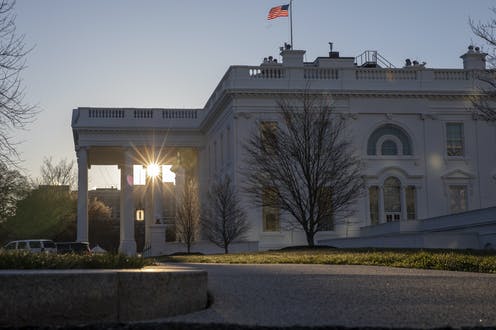
The United States has announced a new round of sanctions targeting Iran’s military-linked oil trade, even as Washington and Tehran move closer to extending a ceasefire agreement and restoring shipping access through the strategically important Strait of Hormuz.
According to the U.S. Treasury Department, sanctions were imposed on eight vessels allegedly involved in transporting Iranian crude oil and petroleum products to international markets. Among the targeted ships are the Marshall Islands-flagged tanker Flora, the Comoros-flagged crude carrier Hauncayo, and the Panama-flagged tanker Ill Gap.
U.S. Treasury Secretary Scott Bessent said the measures are designed to prevent Iran from increasing oil revenues that could be used to rebuild its military capabilities. The sanctions form part of Washington’s broader effort to pressure Tehran while maintaining restrictions on entities connected to Iran’s armed forces.
The latest action comes amid ongoing diplomatic discussions between the United States and Iran regarding a ceasefire following the conflict that began on February 28. Although negotiators have reportedly reached a tentative understanding, President Donald Trump has not yet formally approved the proposed ceasefire arrangement.
The conflict has significantly disrupted global energy markets by affecting operations in the Strait of Hormuz, one of the world’s most critical maritime trade routes. Roughly 20% of global oil and natural gas shipments typically pass through the narrow waterway connecting the Persian Gulf to international markets. Any disruption to shipping activity in the region has immediate implications for global energy prices and supply chains.
In addition to the vessel sanctions, the Treasury Department designated more than 15 companies and organizations allegedly involved in facilitating Iranian oil exports. These include Hong Kong-based Worth Seen Energy Limited, Dubai-based Symphony Shipping and Maritime Management Inc., and Hong Kong-based Mehdiyev Trading Co.
U.S. officials stated that several sanctioned entities support the oil sales network linked to Iran’s armed forces. Treasury authorities specifically accused Worth Seen Energy Limited of procuring refined petroleum products for the National Iranian Oil Company on behalf of Sepehr Energy Jahan, an organization previously sanctioned by the United States and identified as the oil sales arm of Iran’s Armed Forces General Staff.
The new sanctions highlight Washington’s continued pressure campaign against Iran’s energy sector, even as diplomatic efforts seek to stabilize the region and reopen critical global shipping routes.







