Energy analyst Doomberg places WTI’s equilibrium at $85 to $95 a barrel while Middle East shipping constraints keep delivery costs elevated, with implications for U.S. energy supply and demand.
In an interview with David Lin, Doomberg said markets seemed to assign less likelihood to a third wave of U.S. and Israeli airstrikes. He described a tense pause in which a blockade and economic pressure persist alongside intermittent attacks. He cautioned that Iran’s response could change the situation. His framing separates the perceived chance of new strikes from the continuing expense of moving oil.
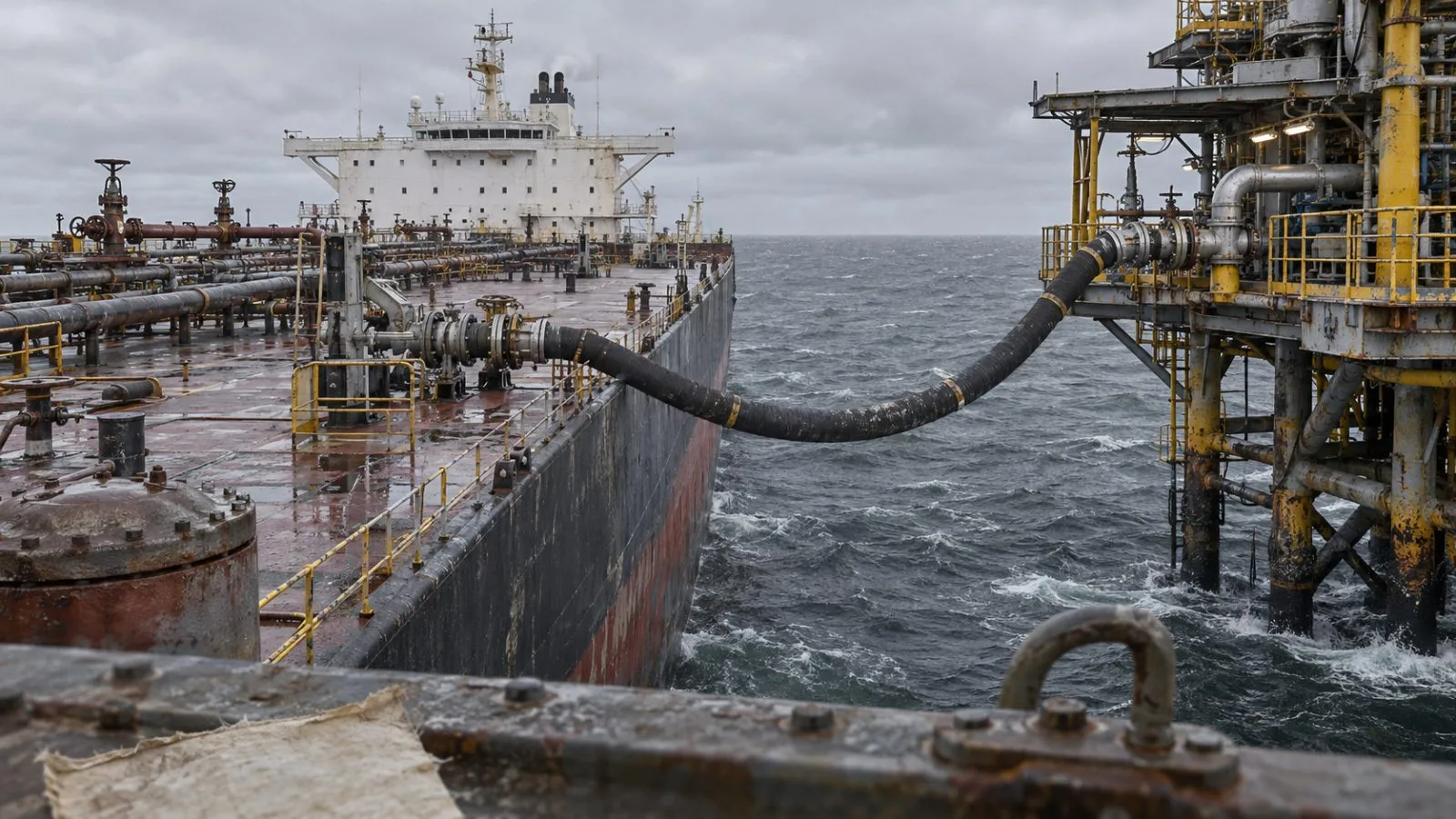
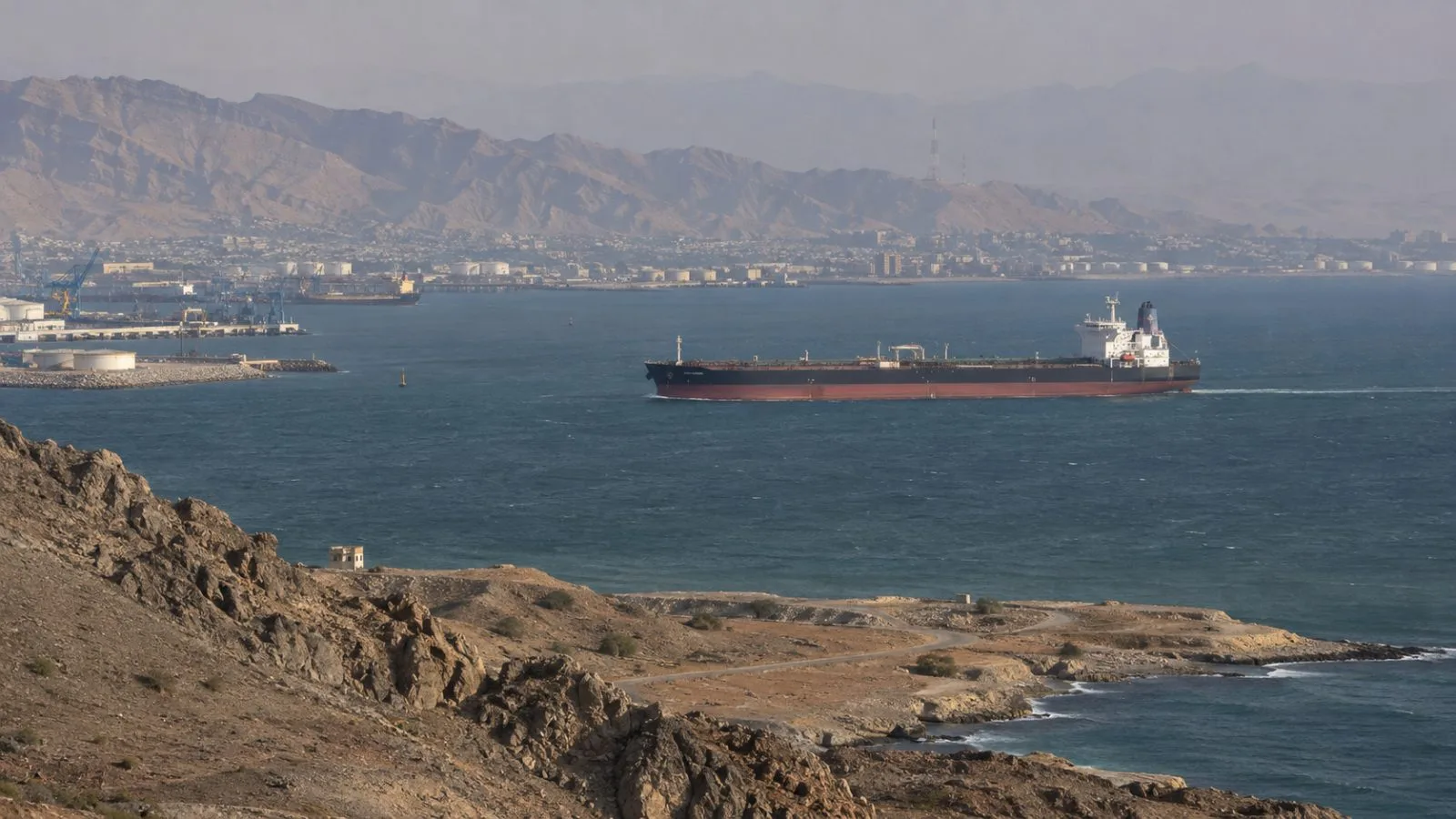
The range assumes some oil exports continue while routes remain constrained. Doomberg said intermediaries and shadow-fleet tankers still move oil through the region. Restrictions in the Strait of Hormuz and higher freight costs impede efficient deliveries compared with conditions before the war. Transport to refineries can add $10 to $20 a barrel, he estimated. Delivered prices also reflect that shipping expense alongside the cost of crude, he said.
If supplies flowed freely, prices would approach the prewar range of $56 to $60 a barrel, Doomberg said. In a prolonged standoff without clear escalation or de-escalation, he said, detours and intermediary payments would continue to factor into oil prices. The scenarios depend on whether crude shipments become more efficient or remain constrained.
Doomberg also identified a possible permitting debate during Congress’ lame-duck session as relevant to the U.S. energy balance. Faster approvals could help data centers move to construction while speeding oil, gas and renewable-energy development, he said. He said those changes could affect both energy consumption and development.
EconoTimes previously reported on a brief decline in crude benchmarks and Saudi Arabia’s support for talks in Tehran.