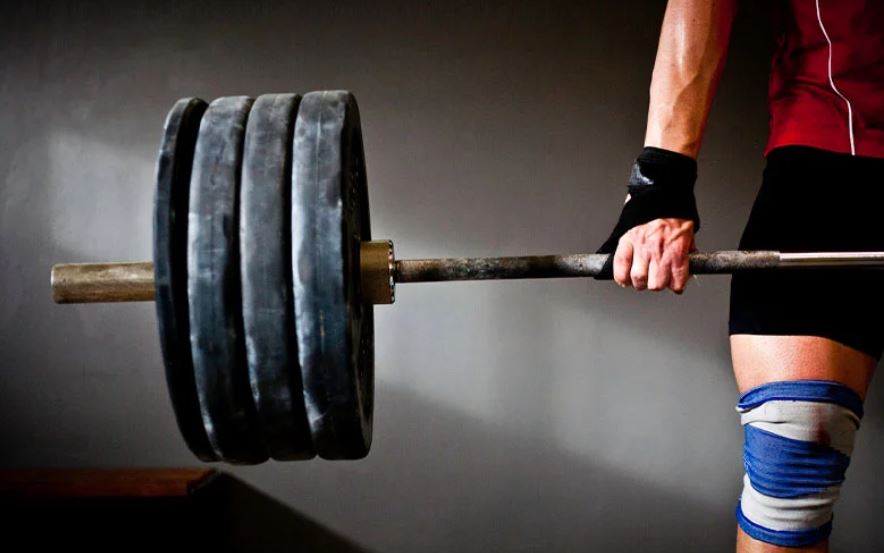
Weightlifting is often surrounded by myths that can intimidate beginners or mislead even seasoned fitness enthusiasts. Dr. Joseph Mercola, a leading voice in holistic health, is breaking down these misconceptions to shed light on what truly matters for effective strength training. By dispelling myths and emphasizing science-backed strategies, Dr. Mercola helps individuals unlock their potential in the weight room and beyond.
Myth 1: Weightlifting is Only for Bulking Up
One of the most pervasive myths is weightlifting exclusively builds bulky muscles. Dr. Mercola emphasizes strength training benefits everyone, regardless of age, gender, or fitness goals.
“Muscle mass is vital for metabolic health, bone density, and functional movement,” says Dr. Mercola. Strength training can help sculpt a lean physique, boost metabolism, and improve daily performance without necessarily leading to significant muscle bulk.
Takeaway: Incorporate weightlifting into your routine, whether you aim to tone up, maintain a healthy weight, or enhance longevity. Adjust your training volume and intensity based on your personal goals.
Myth 2: Lifting Heavy is the Only Way to Gain Strength
While lifting heavy weights can certainly build strength, it isn’t the only way. Dr. Mercola highlights the importance of progressive overload, which involves gradually increasing resistance or effort, regardless of the weight you lift.
“Your muscles respond to consistent challenges, not necessarily massive weights,” he explains. Techniques such as tempo control, supersets, and bodyweight exercises can be equally effective for strength gains.
Takeaway: Focus on proper form and gradual progression instead of obsessing over heavy weights. This reduces injury risk and ensures sustainable results.
Myth 3: Older Adults Should Avoid Weightlifting
A common misconception is weightlifting is unsafe for older adults. On the contrary, Dr. Mercola asserts that strength training is essential for aging gracefully. Research supports its role in preventing sarcopenia (age-related muscle loss), improving balance, and boosting bone density.
“Strength training is one of the most impactful ways to maintain independence and vitality as you age,” says Dr. Mercola. However, he recommends a tailored approach that prioritizes form and manageable weights.
Takeaway: Older adults can benefit greatly from weightlifting, but it’s crucial to start with a personalized plan and guidance from a qualified trainer or health professional.
Myth 4: Cardio is More Important than Weightlifting
Many believe cardio should take precedence over weightlifting for overall health and weight loss. While cardiovascular exercise has undeniable benefits, Dr. Mercola underscores the unique advantages of strength training.
“Weightlifting increases lean muscle mass, which enhances resting metabolic rate and improves insulin sensitivity,” he explains. These benefits can complement cardio for a balanced fitness regimen.
Takeaway: Incorporate both cardio and strength training into your routine to optimize heart health, metabolic function, and overall fitness.
Myth 5: You Need to Spend Hours in the Gym
The idea that effective strength training requires marathon gym sessions is misleading. Dr. Joseph Mercola advocates for short, high-intensity workouts that maximize efficiency.
“Quality trumps quantity,” he advises. “A 30-minute session of focused, well-structured exercises can be more impactful than hours of low-effort training.”
Takeaway: Optimize your workouts by prioritizing intensity, proper technique, and consistency over duration.
Building a Smarter Strength Training Routine
Dr. Mercola’s insights help debunk outdated beliefs and encourage a more informed approach to strength training. Whether you’re a beginner or an experienced lifter, his principles serve as a reminder to prioritize health, functionality, and sustainability.
For more expert tips on strength training and holistic wellness, check out Dr. Joseph Mercola’s comprehensive guide.
By embracing these insights, you can build a training regimen that empowers you to reach your goals—whether it’s achieving a stronger body, improving mobility, or enhancing your overall quality of life.
This article does not necessarily reflect the opinions of the editors or management of EconoTimes.