Battery-electric cars led September gains across the European Union (EU), the European Free Trade Association (EFTA) and the United Kingdom, where new registrations rose 10.2% to 1,363,210, the European Automobile Manufacturers’ Association (ACEA) said. ACEA’s release covers new passenger cars.
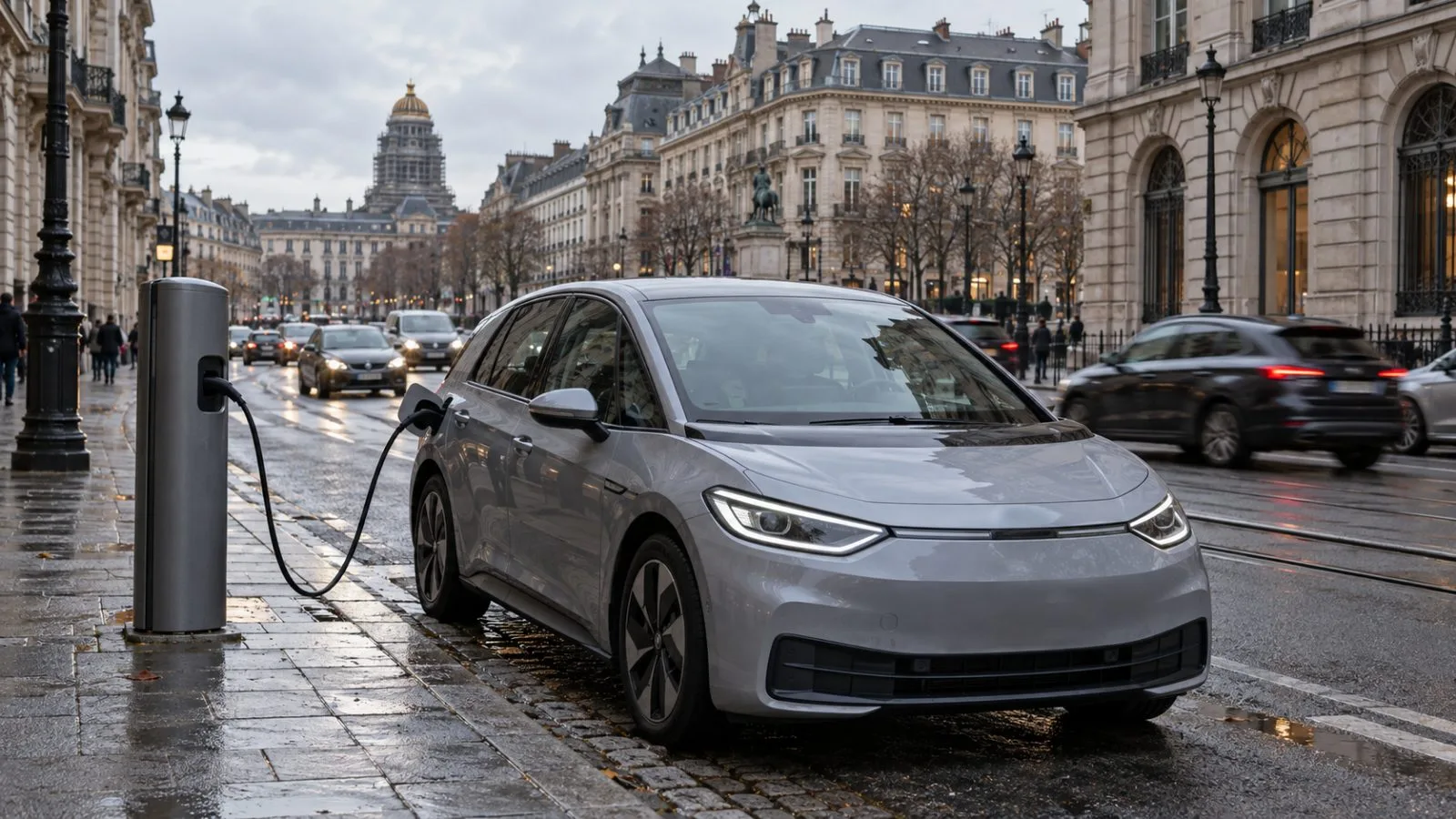
Across the combined market, battery-electric registrations increased 59.9% to 416,433. Plug-in hybrids rose 24% to 164,470, while hybrid-electric cars — including full and mild hybrids — advanced 5.3% to 458,031. Together, the three categories accounted for 1,038,934 registrations, or 76.2% of the market. That figure includes mild hybrids, so it does not represent battery-electric and plug-in cars alone.
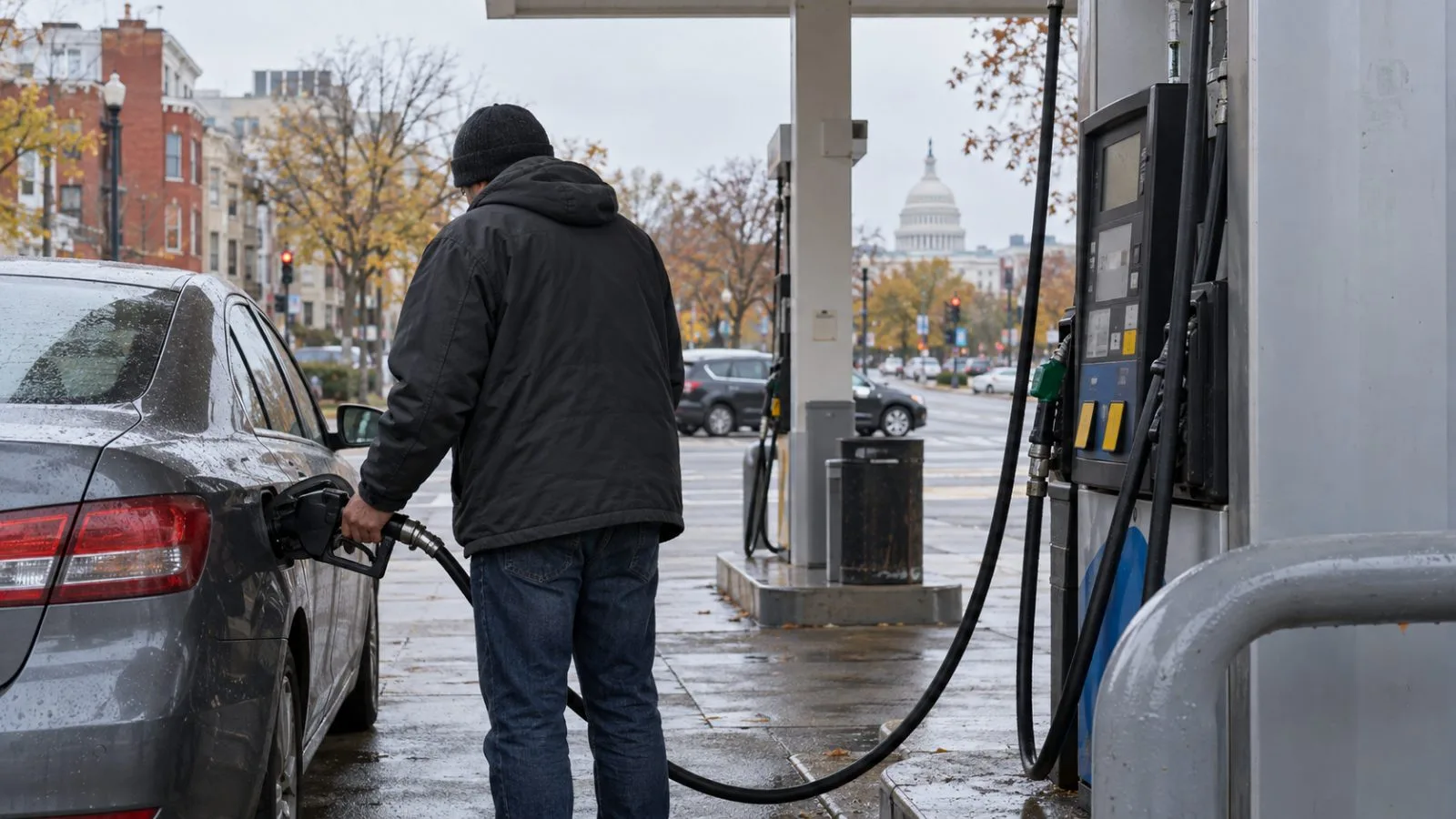
Petrol registrations fell 20.6% to 239,259, and diesel registrations dropped 28.2% to 56,166. Total registrations in the three-market group were 1,236,648 in September 2025, before reaching 1,363,210 this year. The 10.2% rate covers the EU, EFTA and UK combined; EU-only registrations rose 9.3% to 971,048. Those figures reflect different geographic scopes.
Within the EU, battery-electric registrations climbed 72.9% in September to 290,117, while petrol registrations fell 23.4% and diesel fell 29.6%. For January through September 2026, battery-electric cars represented 22.7% of EU registrations, compared with 16.1% in the same period of 2025. Petrol and diesel together made up 28.2%, down from 36.9% a year earlier.
ACEA linked firm demand for electrified vehicles in major European markets to buyer-support measures and a broader choice of models. The association also described the EU market as facing persistently rising energy prices and geopolitical headwinds.
ACEA said its current-year figures are provisional and may change as national registration records are updated. Its calendar lists the October 2026 passenger-car registration release for Nov. 24, 2026.