European Commissioner for Intergenerational Fairness, Youth, Culture and Sport Glenn Micallef accused FIFA and the International Olympic Committee of aiding the Kremlin, according to the Kyiv Independent, as European Union ministers reviewed Russian and Belarusian athletes’ access to international competitions.
Micallef told reporters in Brussels on Nov. 20 that FIFA and the IOC were “two main architects that support the Kremlin,” the outlet reported. He identified IOC President Kirsty Coventry and FIFA President Gianni Infantino. Micallef did not identify which FIFA decisions he was referring to, and the Kyiv Independent report did not include a FIFA response.
The EU Council said ministers held an informal discussion on Russian and Belarusian participation. The meeting followed a European Commission communication issued Nov. 17 that lists 12 measures covering sports governance, sustainability, solidarity, and sport’s role in society.
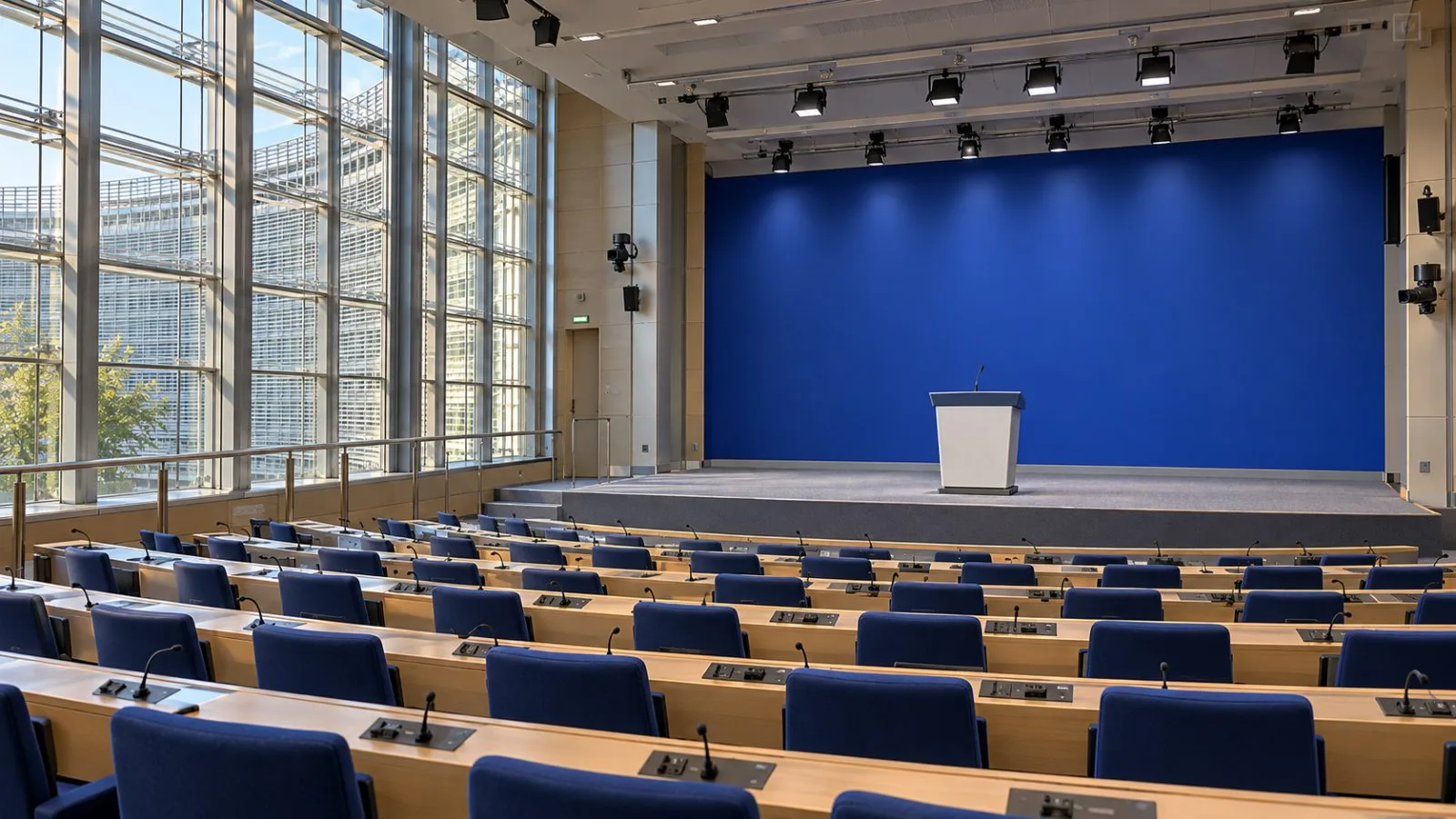
At a Commission press conference Nov. 17, Micallef said the IOC’s 2022 restrictions on Russian athletes were justified by breaches of the Olympic truce. “Sport should never be allowed to be used as an instrument of propaganda,” he said, adding that the restrictions should remain while Russia’s war against Ukraine continues.
The IOC Executive Board provisionally lifted the suspension of the Russian Olympic Committee on July 7, 2026. It said recommendations to international federations on Russian athletes were no longer applicable, while decisions on flags, anthems, colors and event hosting would remain with individual federations and organizers. The IOC had stopped recommending restrictions on Belarusian athletes in May.
The Olympic body said its opposition to Russia’s invasion had not changed. “This position remains unchanged,” the IOC said, while also stating that it would not stage IOC events in Russia or invite Russian government or state officials to its events. Russian athletes returning to competition must still meet anti-doping requirements, according to the IOC.
The Commission says sport represents 3.4% of European Union gross domestic product and supports 6 million jobs. Its strategy also calls for stronger oversight, financial links between elite and grassroots sport, safeguards against abuse and discrimination, facility investment and broader participation.
The Kyiv Independent separately reported that four EU and national officials expected the Commission to unveil a 22nd sanctions package on Nov. 23, with sports measures prominent. The Commission and Council had not confirmed that expectation. Finland has also introduced limits affecting short-term visas for Russian athletes, as EconoTimes previously reported.