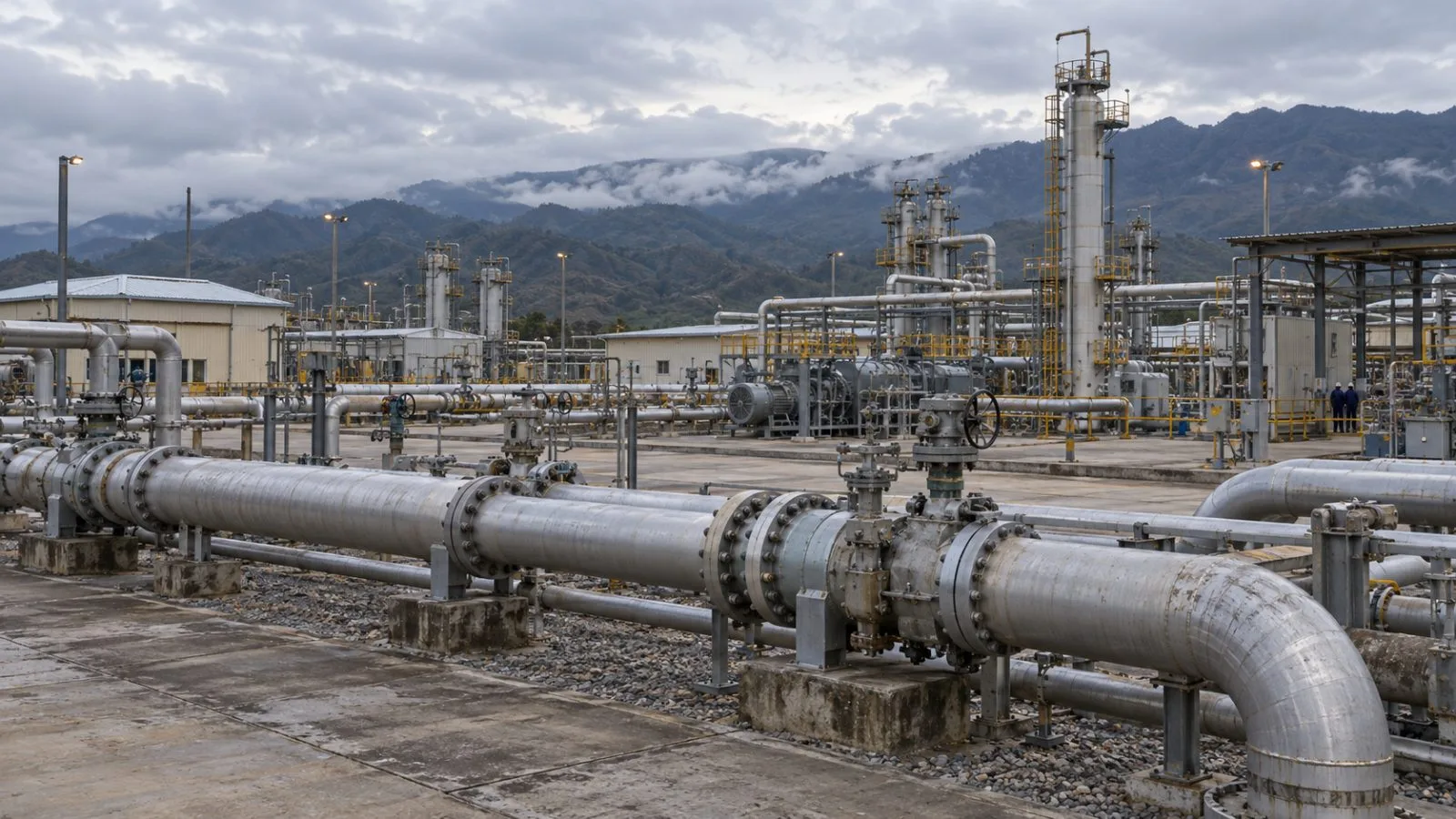
European Union energy ministers will review winter supply risks on Oct. 29 as Middle East disruption restricts liquefied natural gas (LNG) shipments and puts pressure on Europe’s fuel reserves.
The Council of the European Union’s provisional agenda calls for an exchange of views on winter energy security. The agenda lists no consumption target for approval.
Euronews reported, citing an unpublished Council document it reviewed, that ministers will be asked what EU-level demand-reduction measures, if any, should be considered. The question does not amount to a proposal for a specific cut.
Gas Infrastructure Europe reported that EU storage held 845.02 terawatt-hours of gas and was 74.62% full on Oct. 20.
The European Network of Transmission System Operators for Gas (ENTSOG) says disruption at the Strait of Hormuz has restricted LNG exports from Qatar and the UAE. About one-fifth of global LNG trade normally passes through the strait, making the disruption a source of competition for cargoes between Europe and Asia. ENTSOG says some Central, Eastern and Southeastern European countries could face greater delivery challenges.
In one ENTSOG scenario, a cold winter, limited LNG supply and minimal Russian pipeline flows produce potential demand response or unmet demand of 437 terawatt-hours, equal to 12% of cold-winter demand from Oct. 1, 2026, through March 31, 2027. The model assumes storage was 72% full on Oct. 1 and excludes the use of strategic reserves. It is a conditional scenario, not a prediction of a shortage.
Oil emergency stocks have also been used during the disruption. The International Energy Agency (IEA) said Oct. 15 that members had released about 330 million barrels and agreed to speed up the remaining releases under an existing emergency action, including more than 20 million barrels of diesel. In its Oct. 14 oil-market report, the IEA linked expensive diesel to higher goods costs and pressure on real incomes.
Ministers are scheduled to exchange views in Luxembourg on Oct. 29. The published agenda lists no vote on EU-wide demand cuts.