A fee dispute is complicating a youth mobility plan between Britain and the European Union (EU), with at least six EU governments seeking a British pledge before a Nov. 20 summit, The Guardian reported.
Four EU sources told The Guardian that the request for domestic-rate tuition was raised at a Nov. 4 meeting of senior EU diplomats. The newspaper also reported that some member states opposed European Commission negotiators' proposal to defer a fee agreement for six months. Some officials argued that a food-and-drink accord should also be delayed without a satisfactory tuition deal, according to the report.
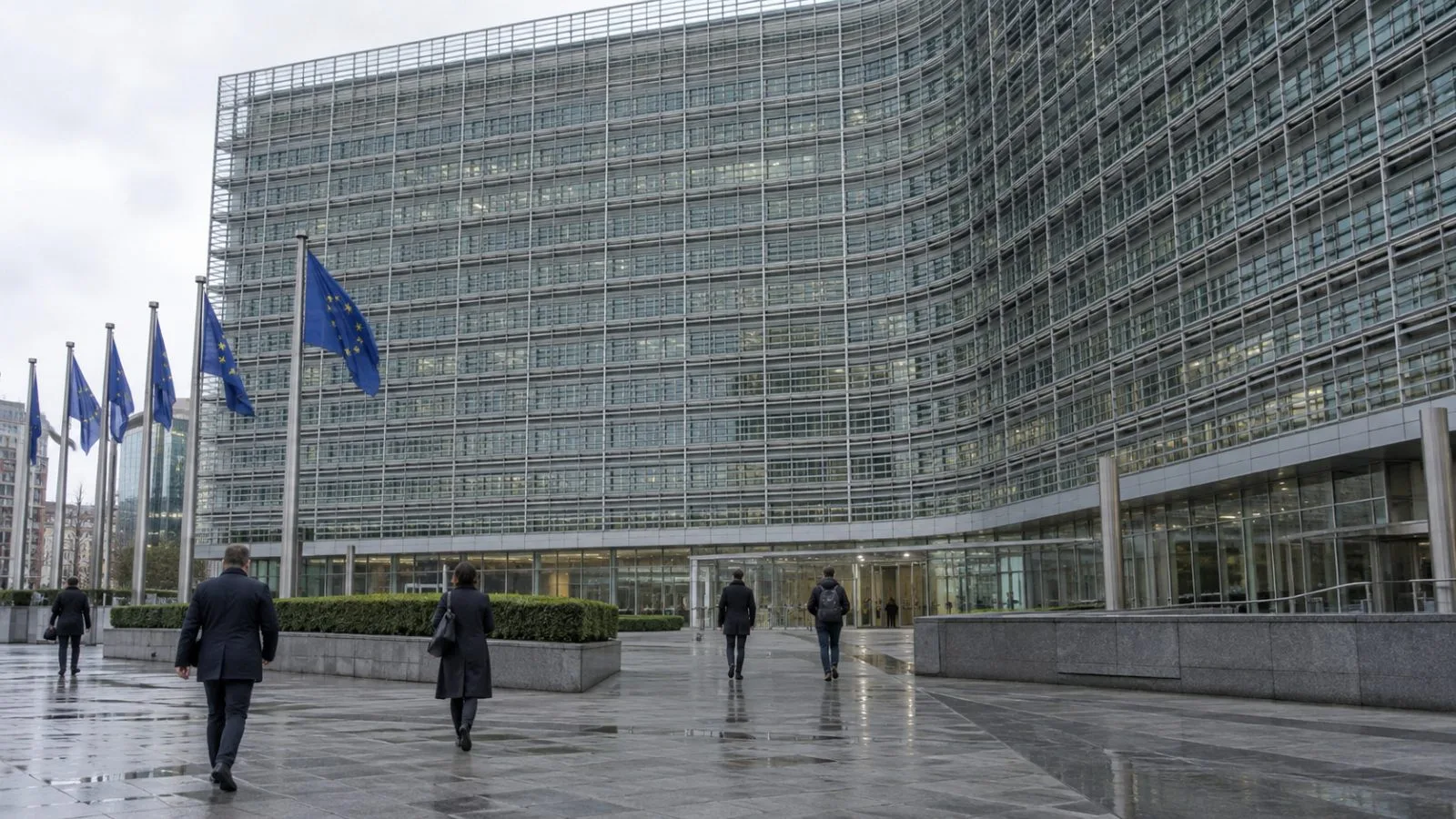
The European Council has scheduled the summit in Brussels. European Council President António Costa and European Commission President Ursula von der Leyen are due to welcome UK Prime Minister Andy Burnham.
A Reuters report published Nov. 3, based on a draft summit statement, described a different timetable: the draft called for both sides to complete fee negotiations within six months and provide equal treatment for students. An EU diplomat told Reuters that this wording would not necessarily mean EU students paid the British domestic rate. The draft could change.
Minister Nick Thomas-Symonds told Parliament on July 8 that most new EU students who were not lawfully resident in the United Kingdom before the transition period ended Dec. 31, 2020, pay international tuition. He said fee-status changes were not agreed at the May 2025 summit. The European Commission's 2024 youth mobility proposal called for equal tuition treatment and estimated international undergraduate fees at £11,400 to £38,000 a year, with an average of £22,000. Those figures were estimates in the 2024 proposal.
Separately, The Guardian reported Nov. 1 that Britain was prepared to spend as much as £450 million a year to compensate universities for lower EU student fees, conditional on gaining access to the EU's Made in Europe industrial program. Under the reported proposal, EU students would pay less and universities would receive compensation, with the potential cost falling on the British government. EconoTimes previously covered Britain's proposal to link EU tuition discounts with industrial access.
The Nov. 20 Brussels summit is the next scheduled milestone; no final tuition terms have been published.