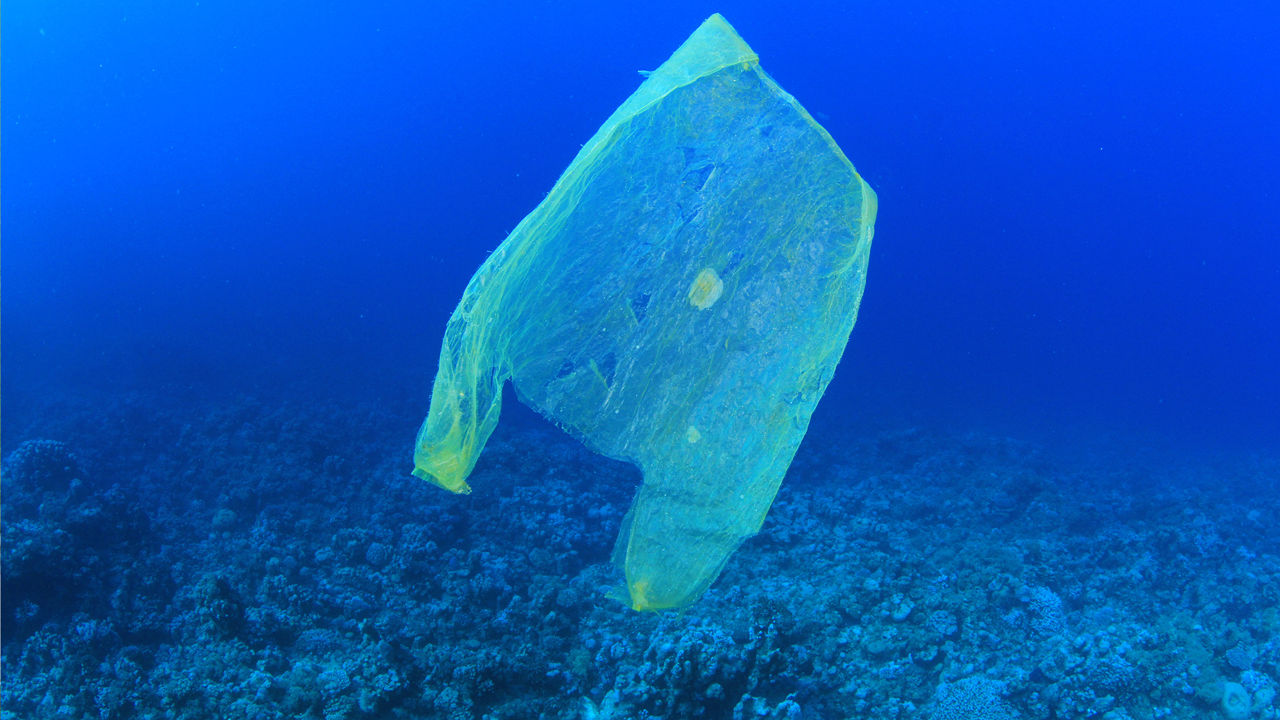
Plastic is one of the biggest environmental dangers that the world is facing right now, with numerous examples of bags, cups, cup holders, and bottles regularly seen polluting beaches, coastal waters, and rivers. It seems the EU has finally had enough and is now officially at war with the non-biodegradable menace. Brussels is also funding research into environmentally friendly alternatives, putting $426 million in the war chest.
The first stage of the war effort against plastic is to make sure that by 2030, all packaging items in the EU would be either recyclable or reusable, The Guardian reports. An interesting aspect of this development is that the union is actually following China’s example when the Asian giant decided to ban imported foreign recyclables.
On Tuesday, Brussels decided to launch a surprise attack on the plastic industry, which is intended to punish irresponsible production behavior as well as encourage the adoption of more modern practices. To this end, the initiative will put €350 million in investments into researching better ways to create containers that will not require hundreds of years to degrade.
As the commission's vice-president, Frans Timmermans told the publication, plastic containers are a huge problem because of the environmental dangers they pose. He said that Brussels is intent on cracking down on “single-use plastics that take five seconds to produce, you use it for five minutes and it takes 500 years to break down again.”
This move by Brussels mimics many of the initiatives that are gaining momentum all over the world. Everything from private chains to entire governments is implementing regulations that limit the use of plastic containers, Futurism reports.
Just last December, a coalition of UN nations signed an agreement to essential eliminate plastic pollution in oceans. This would go a long way towards protecting entire ecosystems that plastic has put in jeopardy.