The European Commission’s plan would expand the European Border and Coast Guard Agency (Frontex) into operations helping non-EU countries return migrants across borders, widening the bloc’s migration enforcement beyond EU territory.
Under the draft, agency support could cover returns from one non-EU country to another. It would require the country’s agreement, and operations would have to meet fundamental-rights obligations and international standards.
The plan would build up the standing corps to 30,000 officers. A proposed European border and return reserve would eventually include 17,000 national officers. The proposal projects 6,000 reserve officers by 2034 and describes 2041 as a reasonable horizon for reaching the full corps target.
A new Return Coordination Centre would organize different stages of the process, including identifying people, voluntary-return counseling, operations and reintegration assistance. A proposed Quick Reaction Force could help member states respond to crises or emergencies at external borders if a member state requests support. Frontex would also be able to analyze publicly available social media for border-related developments and content linked to security risks.
The Commission says pooled capacity could ease pressure on national return systems. Its proposal cites gaps in national capacity and coordination, as well as people who remain in the EU after receiving return decisions. It also identifies EU budget implications and proposes funding for Frontex in the next budget period.
The draft would replace a requirement to assign at least one fundamental-rights monitor to every operation with assignments based on risk. The agency’s rights officer would forward complaints involving operational-team members to their home member states and track follow-up.
European Parliament member Tineke Strik, from the Netherlands’ Greens/EFA group, criticized the plan in remarks DW reported, saying the Commission was “pandering to populism and the far right on migration.”
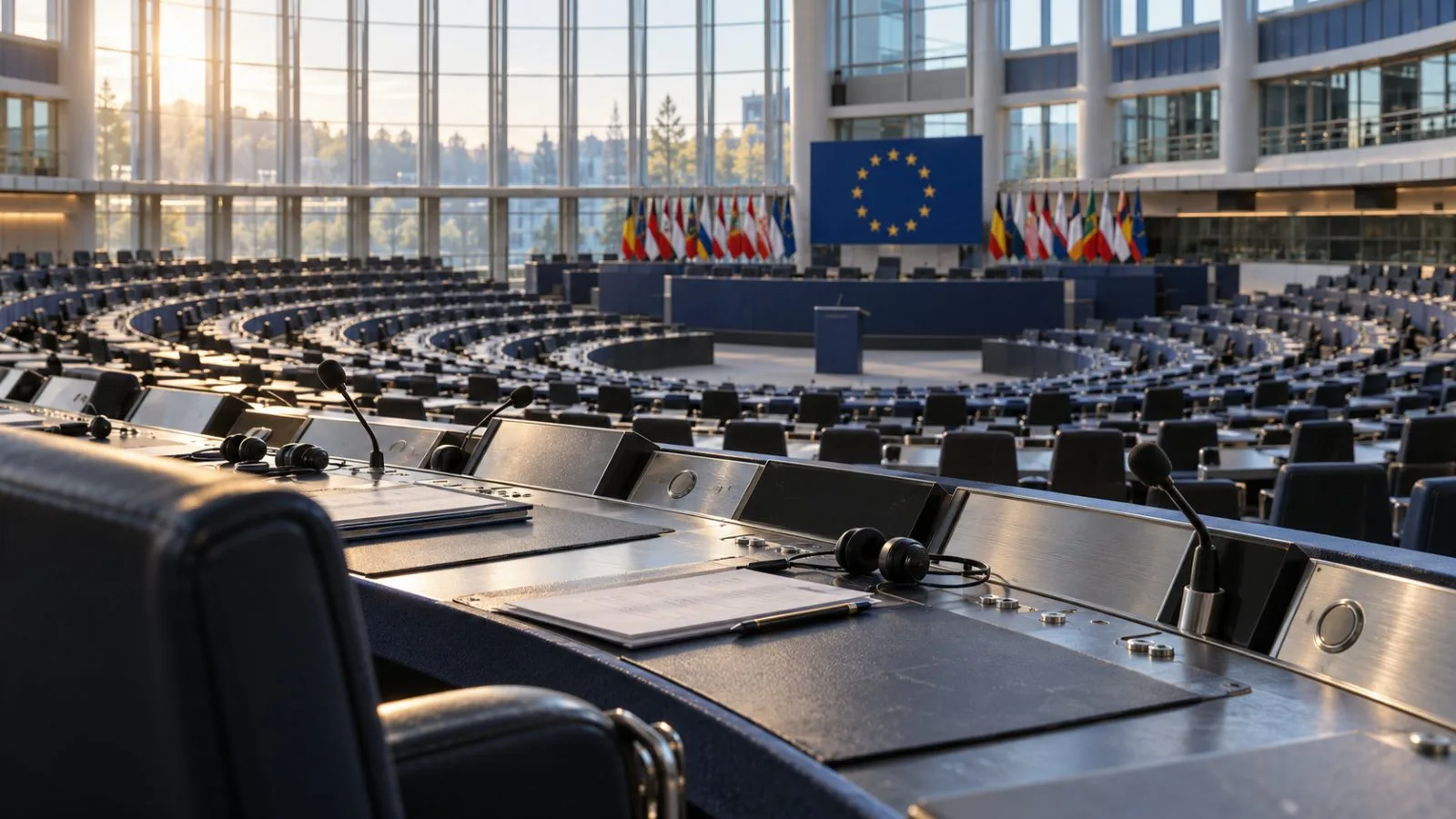
The European Parliament and the Council of the European Union must now agree on the proposal.