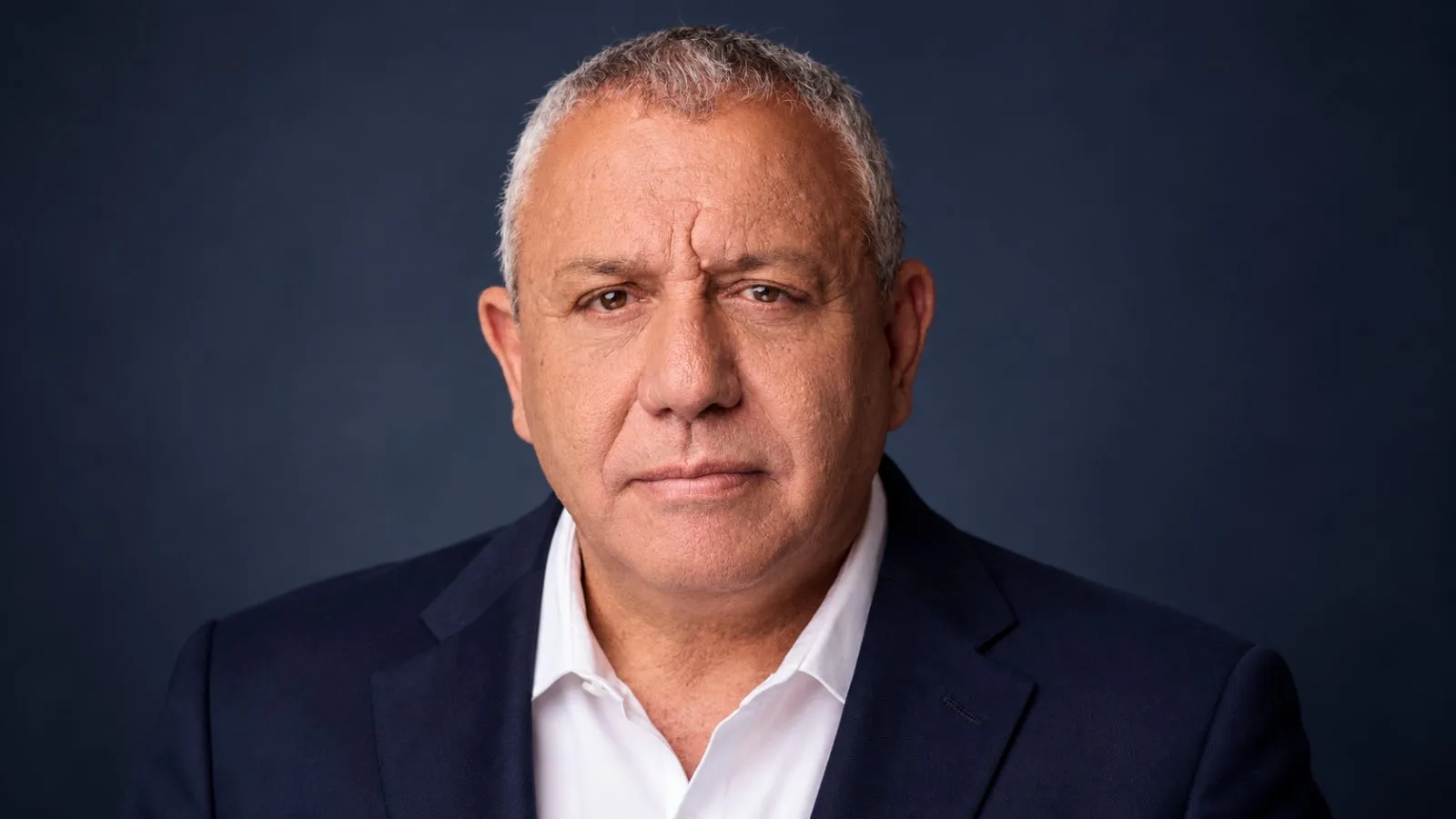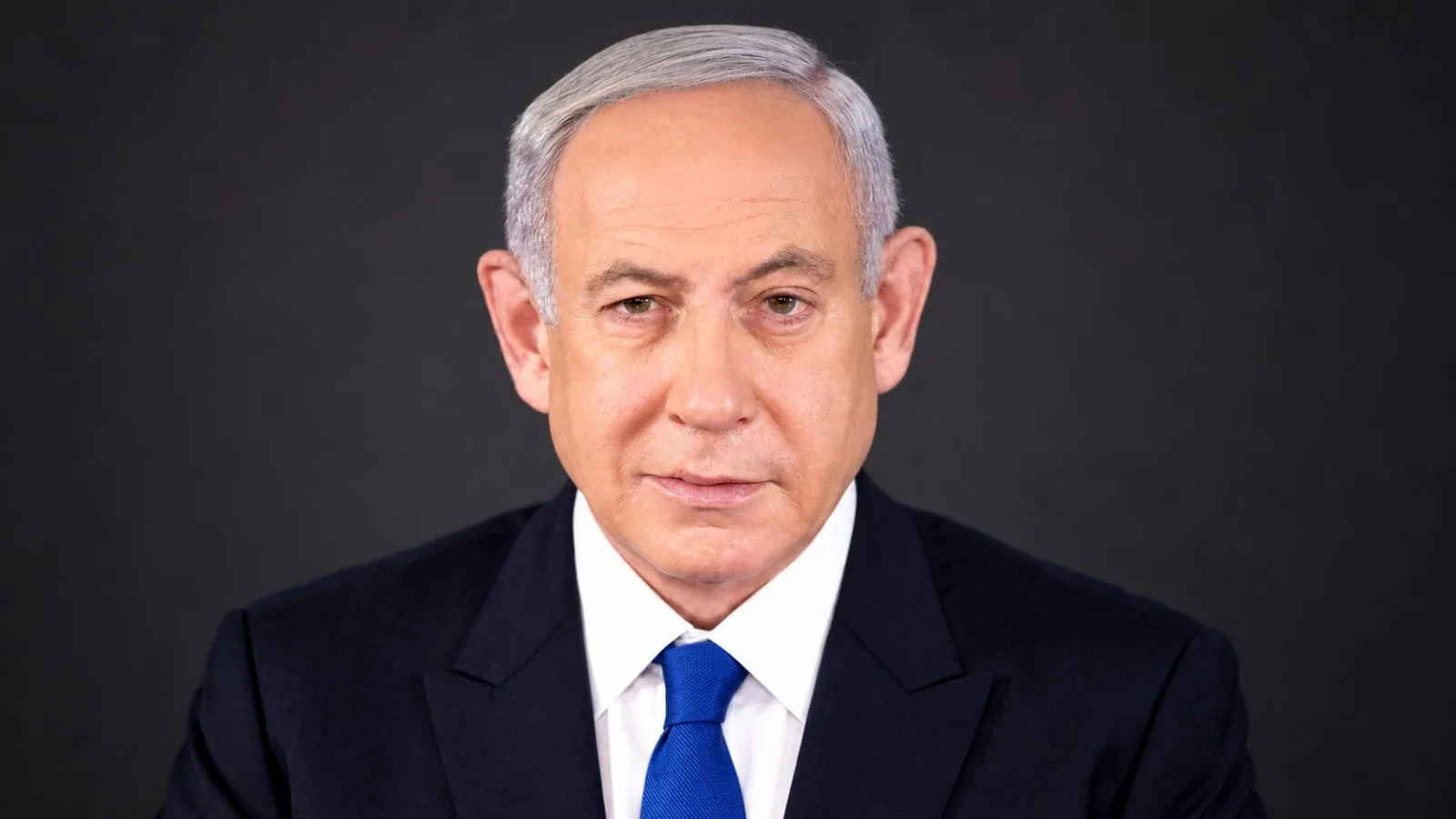
Gadi Eisenkot appeared more inclined to form a governing bloc with parties seeking to unseat Prime Minister Benjamin Netanyahu after Sunday talks left major differences unresolved, The Independent reported.
The two-hour meeting in Tel Aviv was the leaders' second encounter this month. A joint statement afterward said the two sides had sought to bridge major differences but offered few details on the result.
Israel's Channel 12 reported that no further face-to-face talks appeared to be scheduled. It also quoted Eisenkot as telling Netanyahu, "I'm committed to my partners in the bloc. You're welcome to join after the government is formed." A representative for Eisenkot later confirmed the account.
Netanyahu had offered to take the second term in a rotating government after Eisenkot served first, as part of an earlier unity proposal. The proposal followed the Oct. 27 election, which left neither side with a parliamentary majority.
Israel's president formally asked Eisenkot, a former military chief and leader of the centre-right Yashar party, to form the next government. Eisenkot has until Dec. 6 to assemble a government and may request an additional 14 days.
He has reached preliminary agreements with the left-wing Democrats and the right-wing Yisrael Beiteinu. His allied parties control 48 of the Knesset's 120 seats, leaving them 13 short of the 61 needed for a majority.
Netanyahu's Likud and its far-right and ultra-Orthodox allies control 53 seats, also below the threshold. If the unity effort breaks down, Eisenkot may seek backing from Arab and ultra-Orthodox Jewish parties.
Yair Golan, who heads the Democrats, wrote on X that it was time to form a government that would bring "real change." The next formal step is Eisenkot's effort to assemble a government by Dec. 6, with a possible 14-day extension.