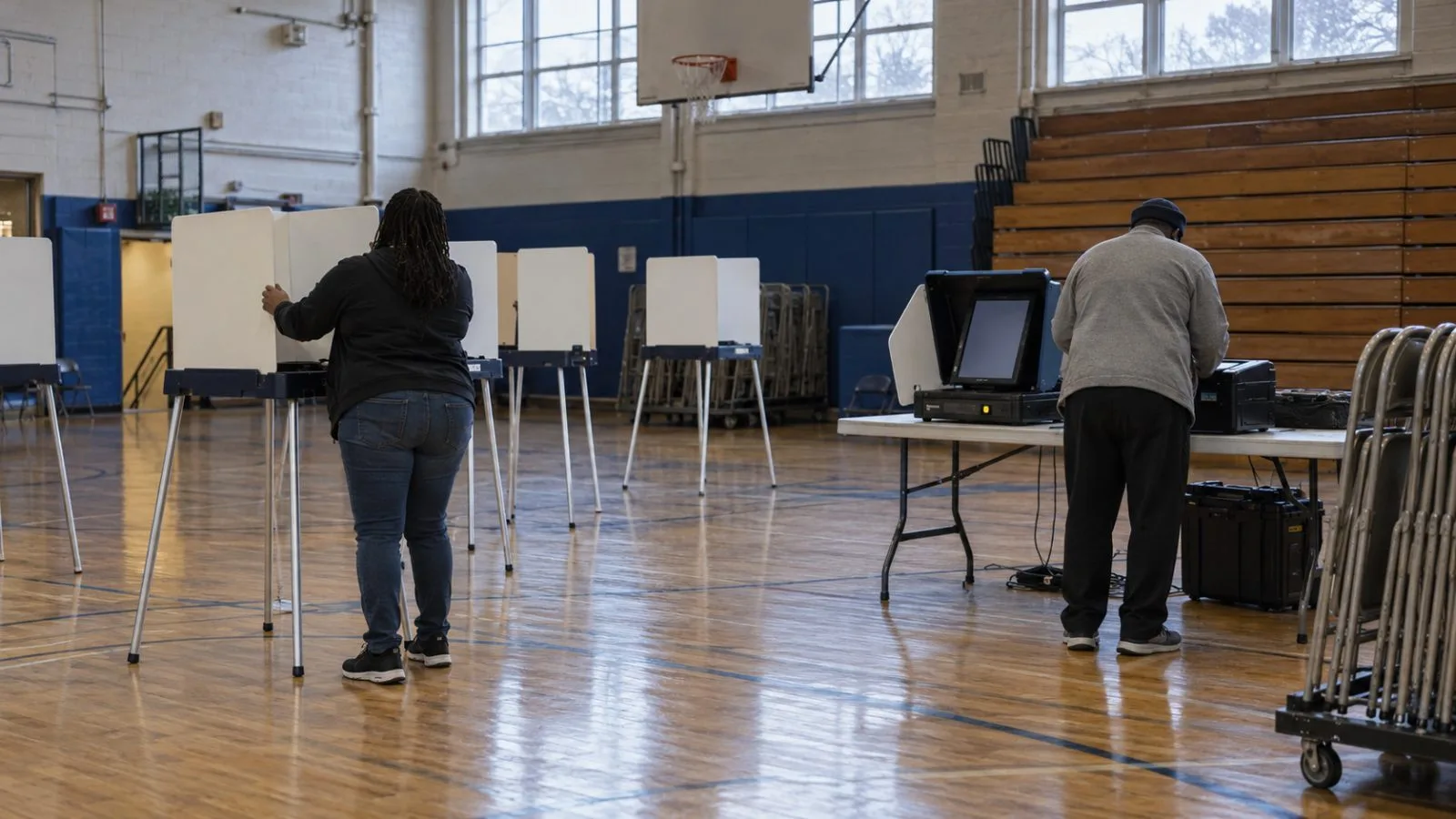
Indian equities may be more sensitive to oil prices, the dollar and U.S. Treasury yields than to the immediate result of the Nov. 3 midterms, Emkay Global Financial Services says.
LiveMint reported the brokerage's view, while ANI published a separate account carried by The Tribune. Emkay expects disagreements over trade and immigration to persist after voting; it sees defense and technology ties with Washington as more resilient. The brokerage's public research page did not display the analysis among its recent entries.
USAGov says the election will fill every one of the House's 435 seats and about one-third of Senate seats. The result will determine control of Congress for the next two years.
Emkay says lower crude prices, a softer dollar and lower U.S. yields would support Indian shares. It warns that renewed tensions involving Iran could push oil higher, worsen India's balance of payments and weigh on the rupee and equities, including the Sensex and Nifty. ANI quoted the brokerage as saying oil prices “are unlikely to decline after the midterms.”
LiveMint reported that Emkay's historical S&P 500 averages rise with the measurement window: about 6% after 60 trading days, 12% after 120 and 17% after 180. LiveMint also said the brokerage pointed to 2018, when U.S. stocks initially fell after the midterms before recovering as Treasury yields declined.
A separate review by J.P. Morgan Asset Management found that the S&P 500 posted positive returns in each 12-month period after midterm elections dating to 1950, averaging about 15%. The firm cautioned readers against viewing that historical pattern in isolation.
Federal Reserve Board data on FRED put two-year Treasury yields at 4.61% and 10-year yields at 4.98% on Oct. 29. The latest Brent spot price shown on FRED, using U.S. Energy Information Administration data, was $123.10 per barrel on Oct. 27.
Voters go to the polls Tuesday, Nov. 3.