Average exposure to fine particulate matter in England fell 54% between 2003 and 2023, but people in the most deprived areas still faced higher estimated levels in 2023, according to the Institute for Fiscal Studies (IFS).
Residents of the most deprived fifth of areas had average PM2.5 exposure 8% higher than those in the least deprived fifth. The IFS found no clear long-term trend in that difference over the two decades.
The gap between ethnic-minority and white populations narrowed. In 2023, average exposure was 7.2 micrograms per cubic meter for ethnic-minority populations and 6.8 for white populations, a difference the IFS put at 6%, down from 13% in 2003. The researchers linked the initial narrowing to population movement away from more polluted areas, and the more recent change to falling pollution in areas with large ethnic-minority populations.
The estimates use Department for Environment, Food and Rural Affairs data and census records to model outdoor pollution near people’s homes. They do not measure each group’s resulting health outcomes or cover exposure at work, while traveling or inside homes. In 2023, 96% of England’s residents lived in areas where annual PM2.5 levels exceeded the World Health Organization guideline of five micrograms per cubic meter.
The Guardian reported Oct. 19 that 150 scientists, lawmakers and activists, including Greta Thunberg, signed a letter urging Prime Minister Andy Burnham to launch a national inquiry. The paper said the proposed inquiry would examine how air pollution’s health effects fall on lower-income and minority-ethnic communities.
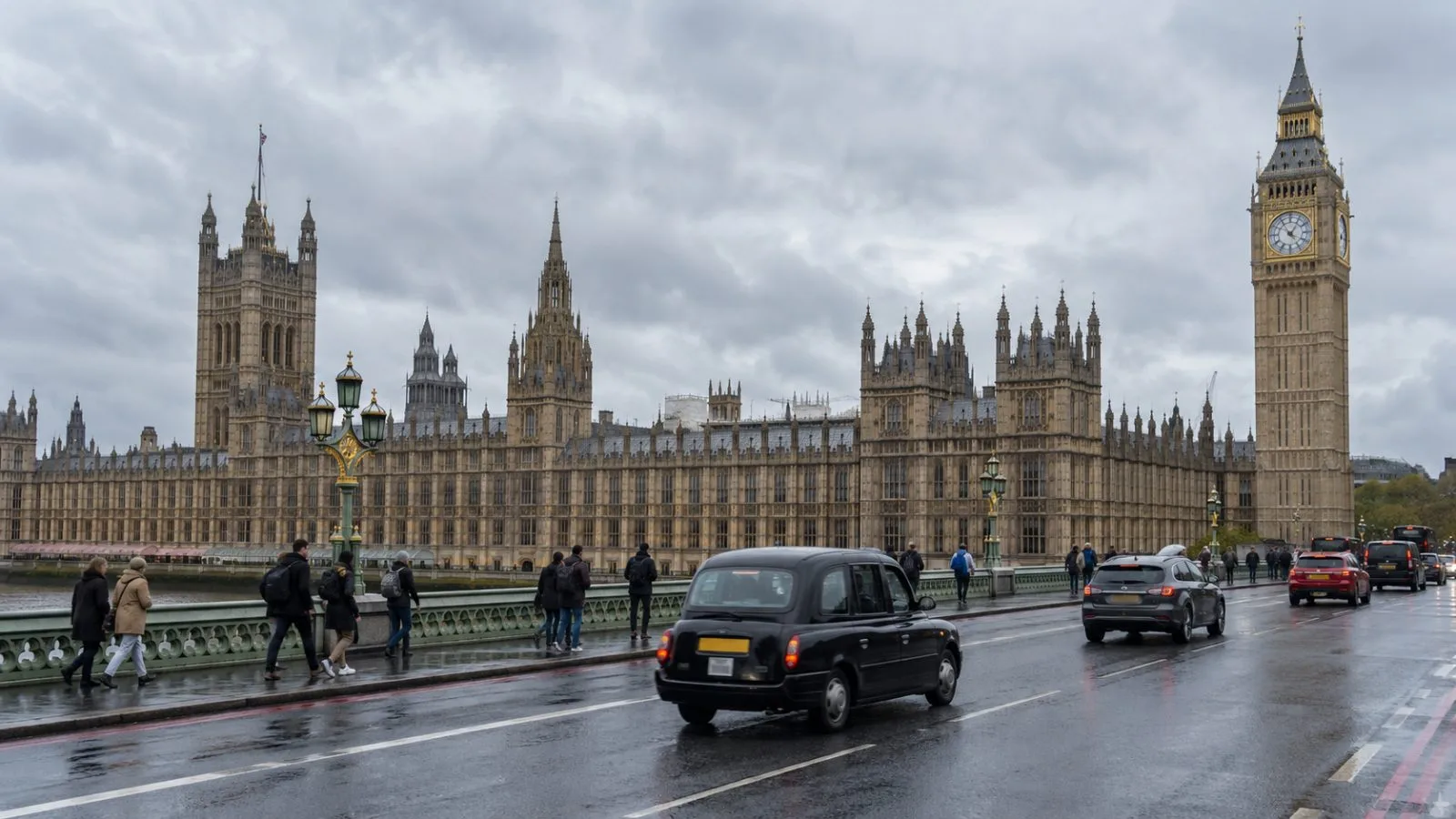
At a March 18, 2026, hearing, Matt Towner, director of programmes at Impact on Urban Health, told the House of Commons Environmental Audit Committee that “the health effects are not felt equally.” He said people facing poverty may have fewer choices about where they live and work, citing homes near busy roads and jobs such as construction or taxi driving as possible sources of additional exposure.
The committee already has an inquiry into air pollution in England and has heard evidence on health inequality. Its deadline for written submissions was March 3, 2026. Separately, the Department for Environment, Food and Rural Affairs reported that Greater London, Bristol and Glasgow exceeded the UK’s annual nitrogen dioxide limit in 2025, while all 43 assessment zones met the legal annual PM2.5 limit.