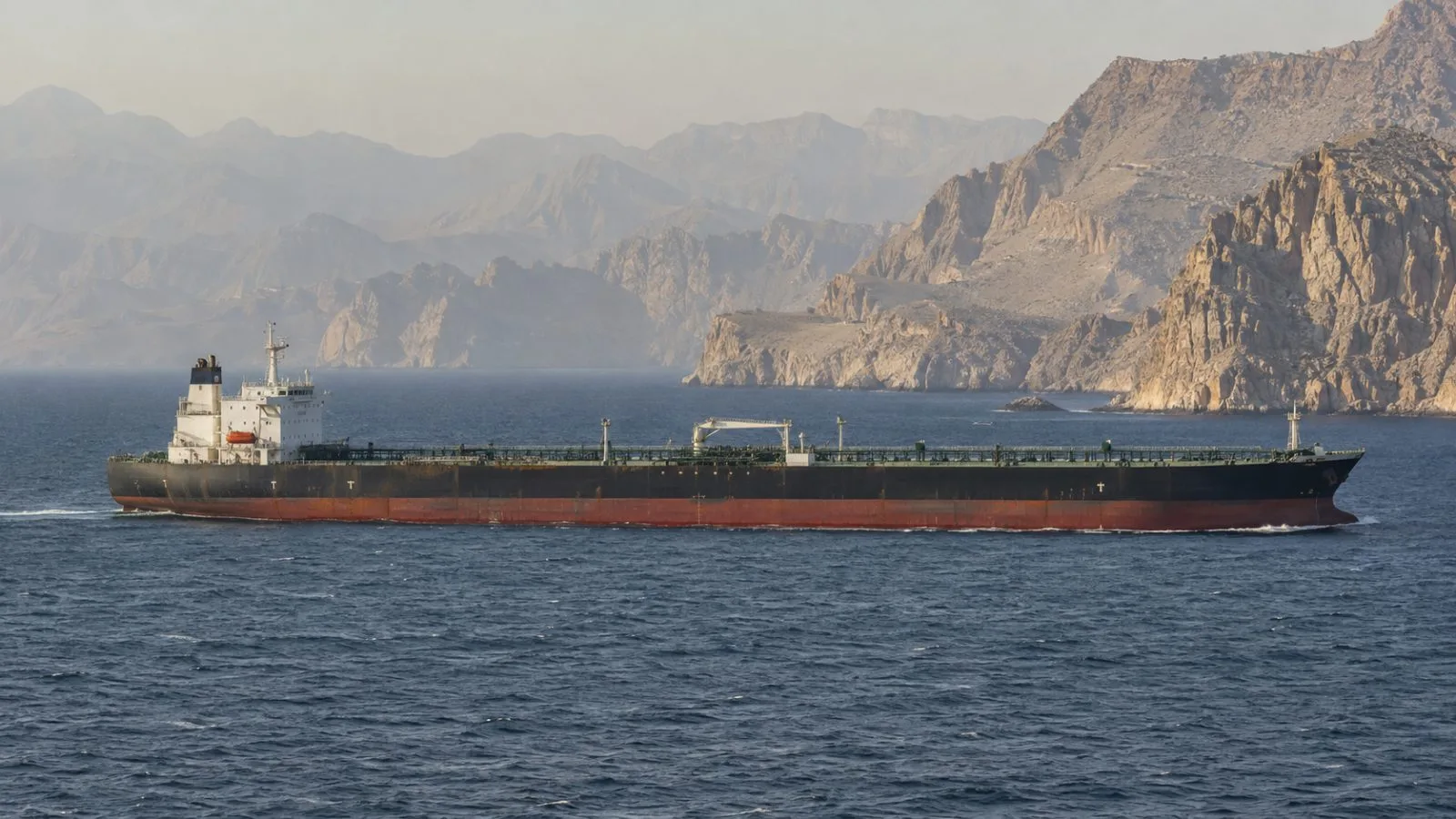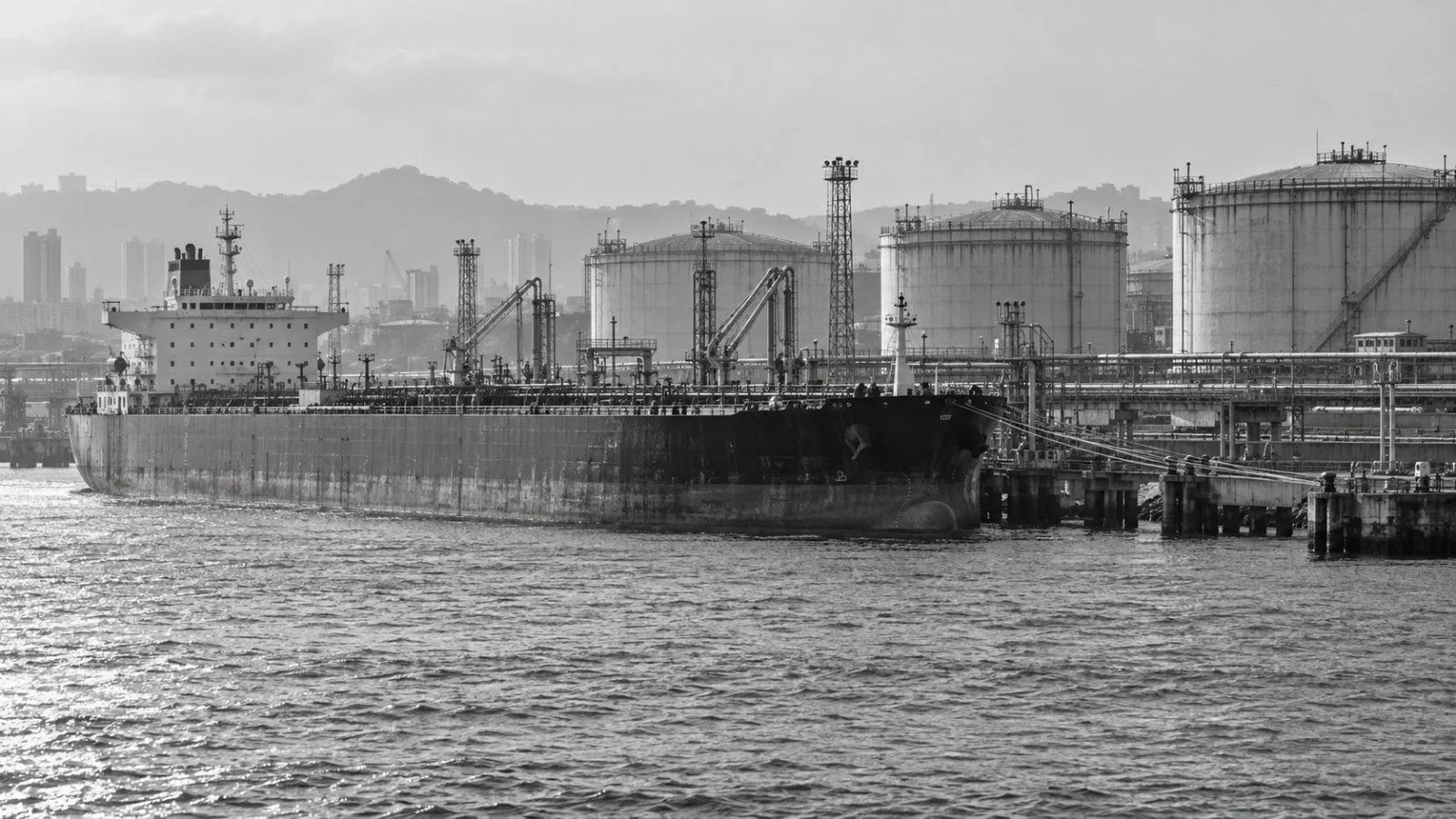
Energy analyst Osama Rizvi called for refineries to be spread more widely around the world, a proposal Euronews reported as the European Union weighs fuel resilience amid tight supplies.
In a video updated Oct. 29, Rizvi argued that a wider geographic spread could limit disruption risks during geopolitical crises. He called the idea a “refinery revolution,” described high fuel prices as a “structural feature” of the market and said supply recovery and price declines could take months, Euronews reported.
The European Commission began talks with refiners on Oct. 28. Officials and industry representatives examined how to draw more from existing European facilities and keep supply routes working during emergencies, including those that involve defense needs.
European Commissioner for Energy and Housing Dan Jørgensen said about one in four EU refineries had closed over the past two decades, while domestic refining capacity had fallen by roughly 10%. The Commission says refineries in the EU provide about 70% of the jet fuel and 85% of the diesel consumed in Europe.
FuelsEurope has cited a different measure, saying Europe lost 20% of its refining capacity since 2009, alongside 35 refinery closures. The Commission and industry group figures cover different periods and geographic scopes.
The International Energy Agency (IEA) said refined-product shipments from the Middle East stood at 1.9 million barrels per day in September, compared with a pre-war level of 4.7 million barrels per day. It said lost inventories were unlikely to be replenished before the second half of 2027, apart from normal seasonal changes.
On Oct. 22, the Commission said European diesel and jet-fuel supplies were tight, though neither product was then in physical shortage. Jørgensen said fuel bills were weighing on households and companies, while the Commission expected the global diesel market to remain tight well into 2027. It has also cited high energy costs, global competition and investment needs as challenges for refiners developing sustainable biofuels and e-fuels.
The Commission plans to continue technical work with industry on a joint roadmap and assess proposals to raise output. Another meeting is planned for early 2027.