Venezuela is pitching artificial intelligence as a way to limit oil-sector waste while maintaining production, a message that highlights the challenge of balancing emissions cuts with continued fossil-fuel output at the COP31 climate summit in Antalya.
Vice Minister Albania del Mar Villarroel Gómez said the country uses AI to track emissions and methane leaks and improve oilfield operations, Reuters reported. The government’s Official Gazette published Decree No. 5,272 on March 13, 2026, appointing her acting vice minister of artificial intelligence and productive efficiency in hydrocarbons.
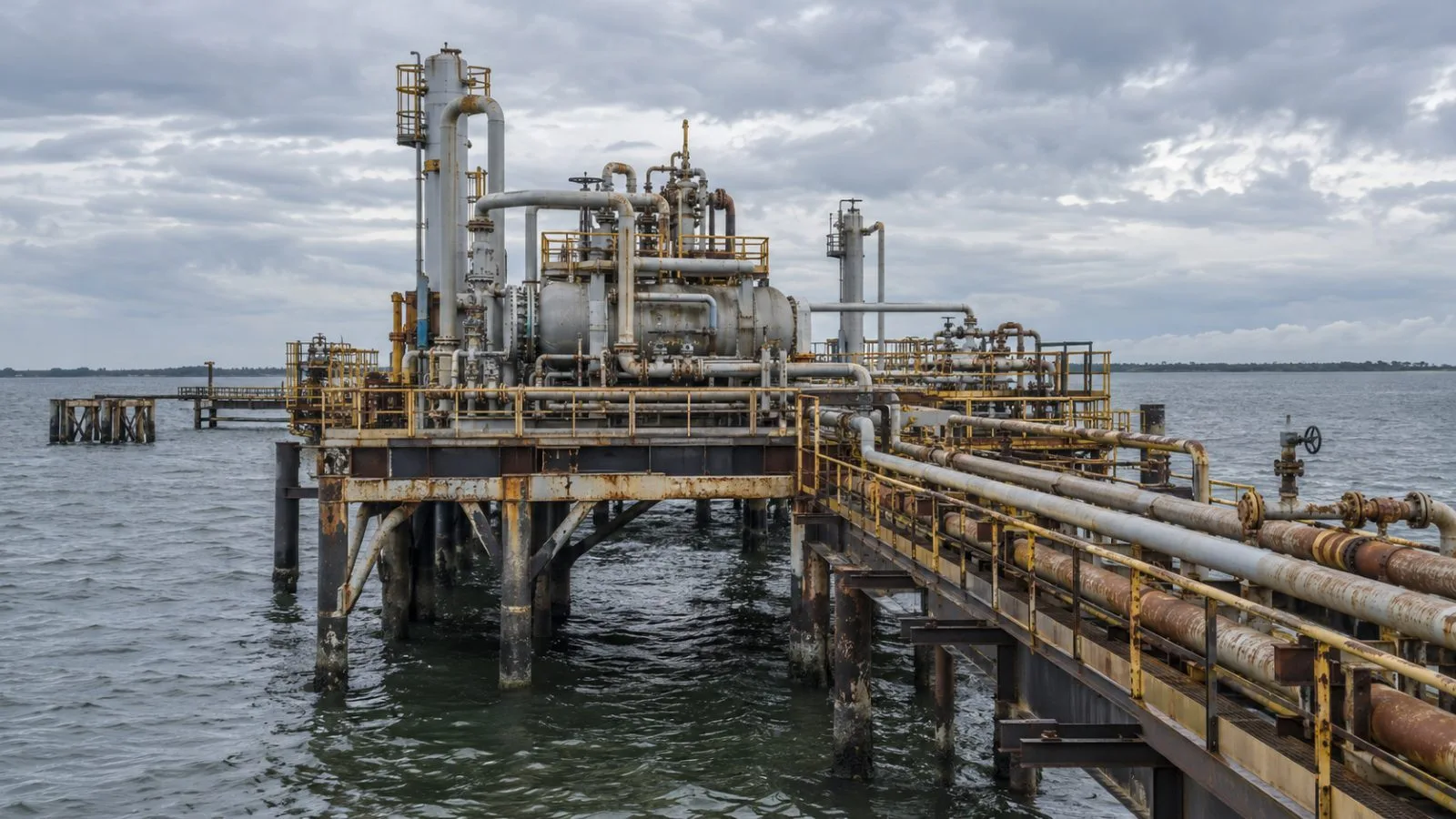
The International Energy Agency (IEA) says Venezuela’s upstream oil and gas methane intensity is close to six times the worldwide average. Its flaring intensity is about 12 times the global level, although the IEA cautions that measurement data for Central and South America are limited. Venezuela is not listed among the participants in the Global Methane Pledge.
“Our policy is not to stop producing hydrocarbons,” Villarroel said, according to Reuters. She said the goal was to reduce waste and emissions while continuing energy production.
Villarroel also said Venezuela would prioritize smaller, specialized AI models and use hydropower to supply most of the computing infrastructure. She put hydropower’s share of national electricity supply at about 80%, Reuters reported.
Reuters reported that Venezuela produced about 1.2 million barrels per day in September, citing government-reported figures in OPEC’s October oil market report. Reuters also reported that state oil company PDVSA plans to increase output to 1.5 million barrels per day by the end of 2027.
COP31 is scheduled to run in Antalya through Nov. 20. Venezuela’s AI proposal adds a technology element to the summit debate over emissions and continued reliance on fossil fuels.