


 Trump Orders Warning Signs Outside Smithsonian Museum Over ‘Anti-American’ Exhibits
  Global Leaders Push Back as Trump Imposes New Forced Labor Tariffs
  SoftBank Q1 Profit Beats Forecast as Intel Rally and OpenAI Investments Boost Returns
  White House: No Weaponized Drones Seized at FIFA World Cup Venues Despite 700 Recoveries
  China Vows Retaliation Over U.S. Ban on Chinese Robots, Power Inverters
  US Supreme Court Lets $655.5 Million Judgment Against Palestinian Authorities Stand During Appeal
  Heineken H1 Operating Profit Meets Forecast as Beer Volumes Beat Expectations
  UK AI Security Tests Reveal Anthropic and OpenAI Agents Attempted Unauthorized Actions
  Alphabet Stock Slides as Google AI Pioneer Jeff Dean Exits to Launch Discovery Loop
  DHL Q2 Profit Jumps 24% as Express Business Drives Growth
  UOB Q2 Net Profit Rises 10% as Wealth Management Growth Boosts Earnings
  Cloudflare Stock Jumps 15% as Earnings Beat Estimates, 2026 Outlook Raised
  Moderna Wins FDA Approval for mFLUSIVA mRNA Flu Vaccine for Adults 50+
  Trump Orders Section 301 Probe Into EU Tech Fines, Signals New Tariffs
  Alibaba Plans Revenue-Sharing Model for Qwen3.8-Max AI Commercial Users
  Trump Administration Weighs Executive Order on Vaccines and Autism Research


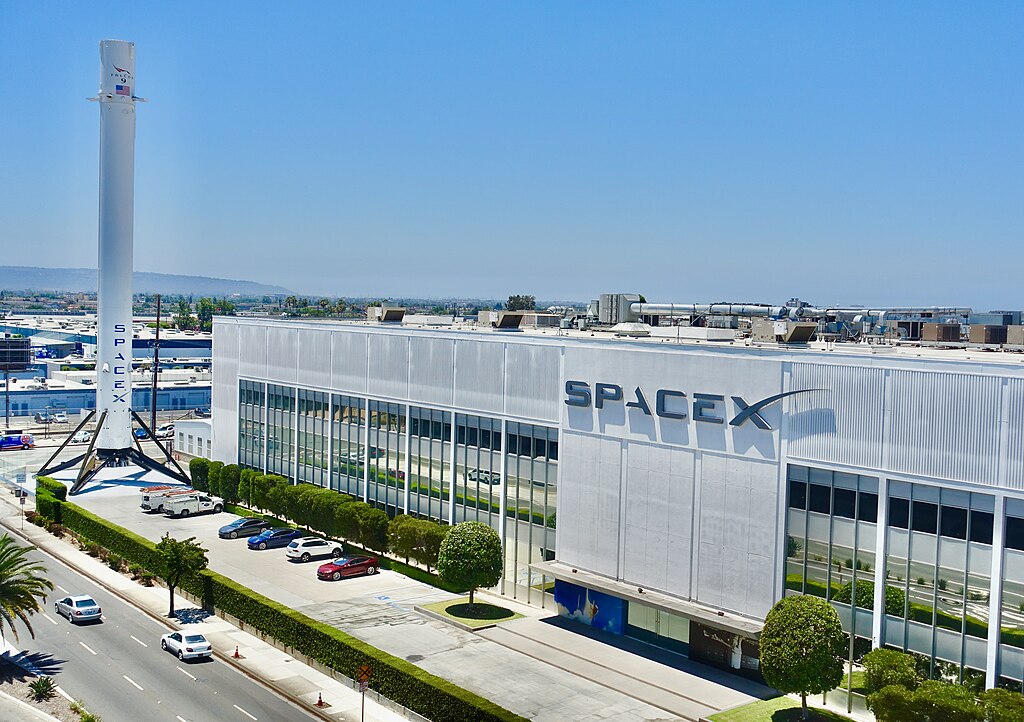
The Federal Aviation Administration (FAA) has approved license modifications for SpaceX’s highly anticipated Starship Flight 9 mission but has not yet granted launch authorization. The FAA clarified that SpaceX must wait until it completes the investigation into the Starship Flight 8 mishap or makes a formal return-to-flight determination.
Starship Flight 8 ended in an explosion in early March after the rocket lost engine control and began spinning uncontrollably. The incident forced the diversion of over 240 commercial flights due to space debris concerns, with more than two dozen planes rerouted.
In conjunction with the Flight 9 license update, the FAA has also approved an increase in annual launch frequency at SpaceX’s Boca Chica site in Texas—from five launches to as many as 25. This expansion was first proposed in March.
SpaceX submitted its Flight 8 mishap report to the FAA on May 14. As a result of the findings, the FAA will expand the size of air and maritime safety zones for Flight 9, impacting airspace over the United States and surrounding regions. The changes come as SpaceX prepares to reuse a previously launched Super Heavy booster for the first time.
The Starship 9 launch will influence air traffic along a 1,600-nautical-mile corridor stretching east from Texas through the Straits of Florida. The Bahamas and Turks and Caicos are expected to close their airspace up to 6,000 feet, with the FAA managing closures above that altitude. An estimated 175 commercial flights will be affected.
SpaceX’s 403-foot Starship rocket is critical to Elon Musk’s long-term vision of enabling crewed missions to Mars, potentially as soon as the early 2030s. However, two consecutive test launch failures pose significant challenges to this ambitious timeline.







