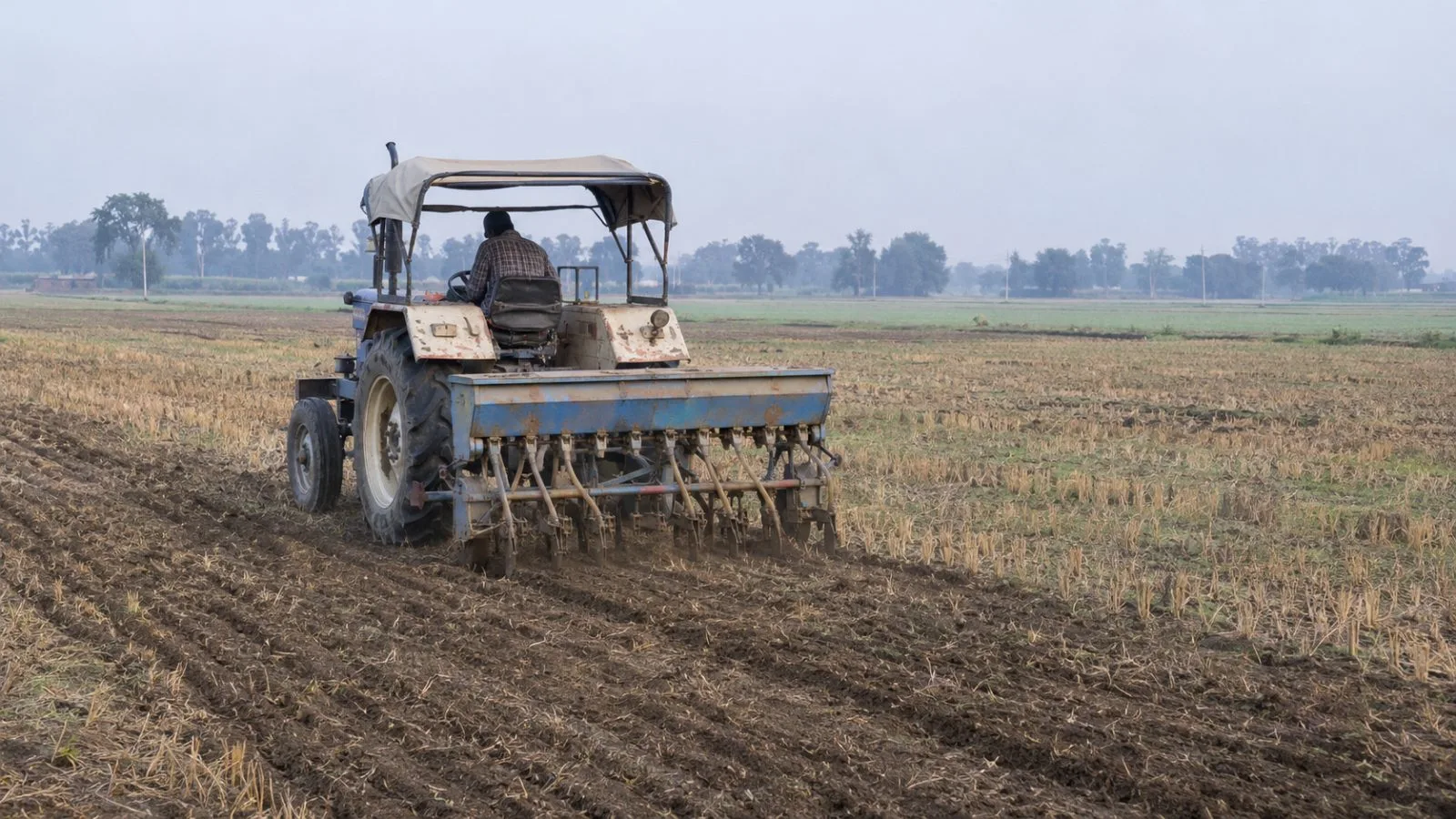
India is expected to plant wheat at a record level for the 2027 harvest, but final output will depend on late-season weather, the Food and Agriculture Organization of the United Nations (FAO) said.
In the agency’s assessment, India forms part of a broader Far Eastern winter sowing season, with soil conditions across the region holding enough moisture for planting. The predominantly irrigated crop is expected to be harvested from March through June 2027.
FAO linked the planting outlook to policy incentives for growers, including India’s minimum support price for wheat and fertilizer subsidies.
The agency said the final crop size will depend partly on weather in April and May 2027. It expects the ongoing El Niño to influence conditions during those months. FAO’s record expectation concerns sowing levels and does not forecast a record harvest.
The U.S. National Oceanic and Atmospheric Administration (NOAA) Climate Prediction Center said Oct. 8, 2026, that El Niño was strengthening and was likely to remain strong to very strong through January-March 2027. NOAA’s next ENSO Diagnostic Discussion is scheduled for Thursday, Nov. 12.
FAO’s Asia outlook points to above-average rainfall between October and April for the Korean Peninsula, central-eastern China, parts of Pakistan and most of Afghanistan, with localized flooding possible. It gives no India-specific rainfall outlook, so the regional forecast does not establish what precipitation wheat areas in India will receive.
The agency also says some precipitation at higher elevations and latitudes may arrive as snow. A sufficiently thick snow cover can shield overwintering crops from frost, while spring meltwater may improve soil moisture and refill reservoirs for spring and summer crops in 2027.
India’s Ministry of Agriculture and Farmers Welfare estimated wheat production at 120.657 million tonnes for the 2025-26 crop year in its third advance estimates. Its final estimate for 2024-25 was 117.945 million tonnes. Those figures cover earlier harvests and do not project output from the crop now being sown.