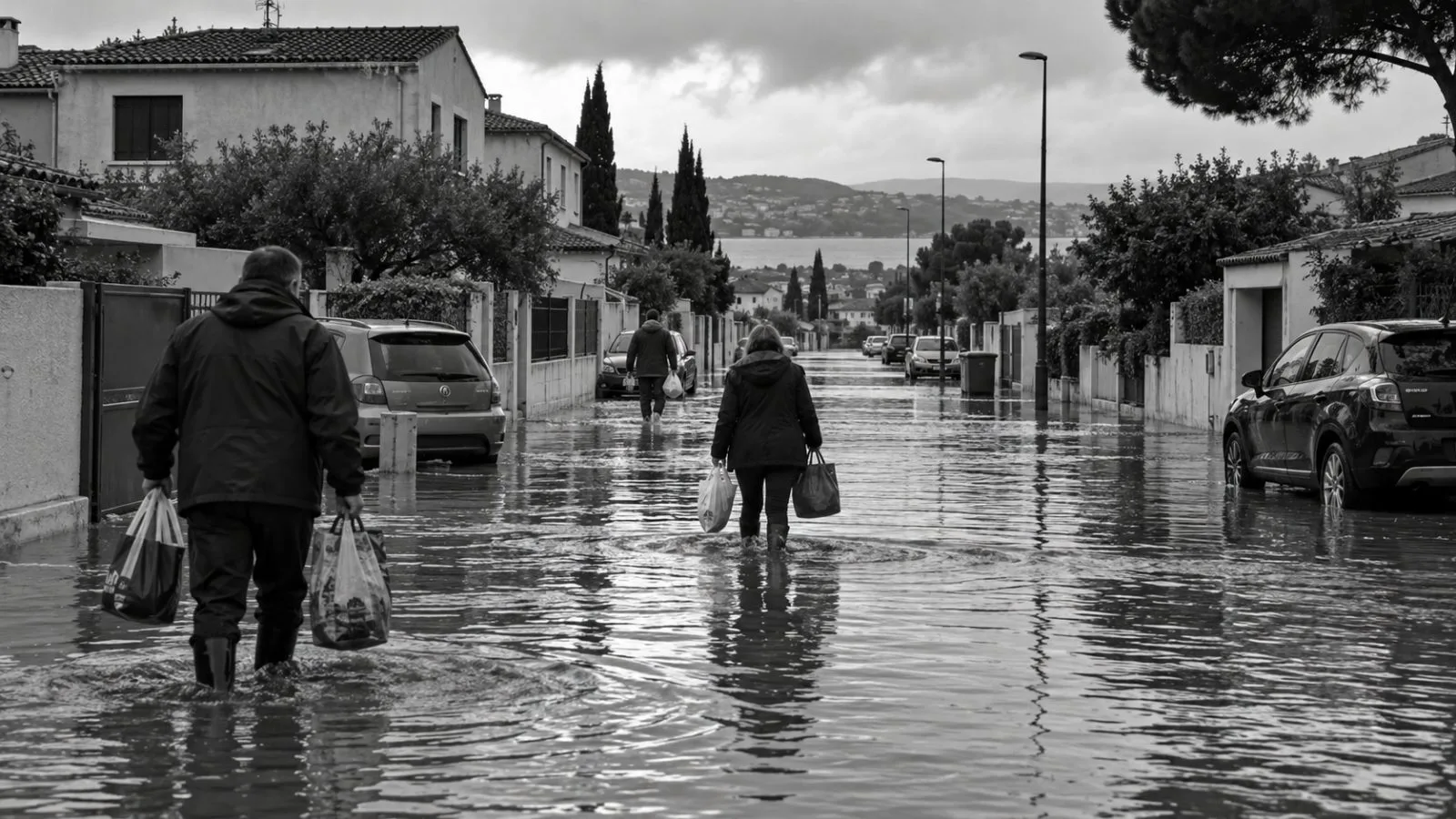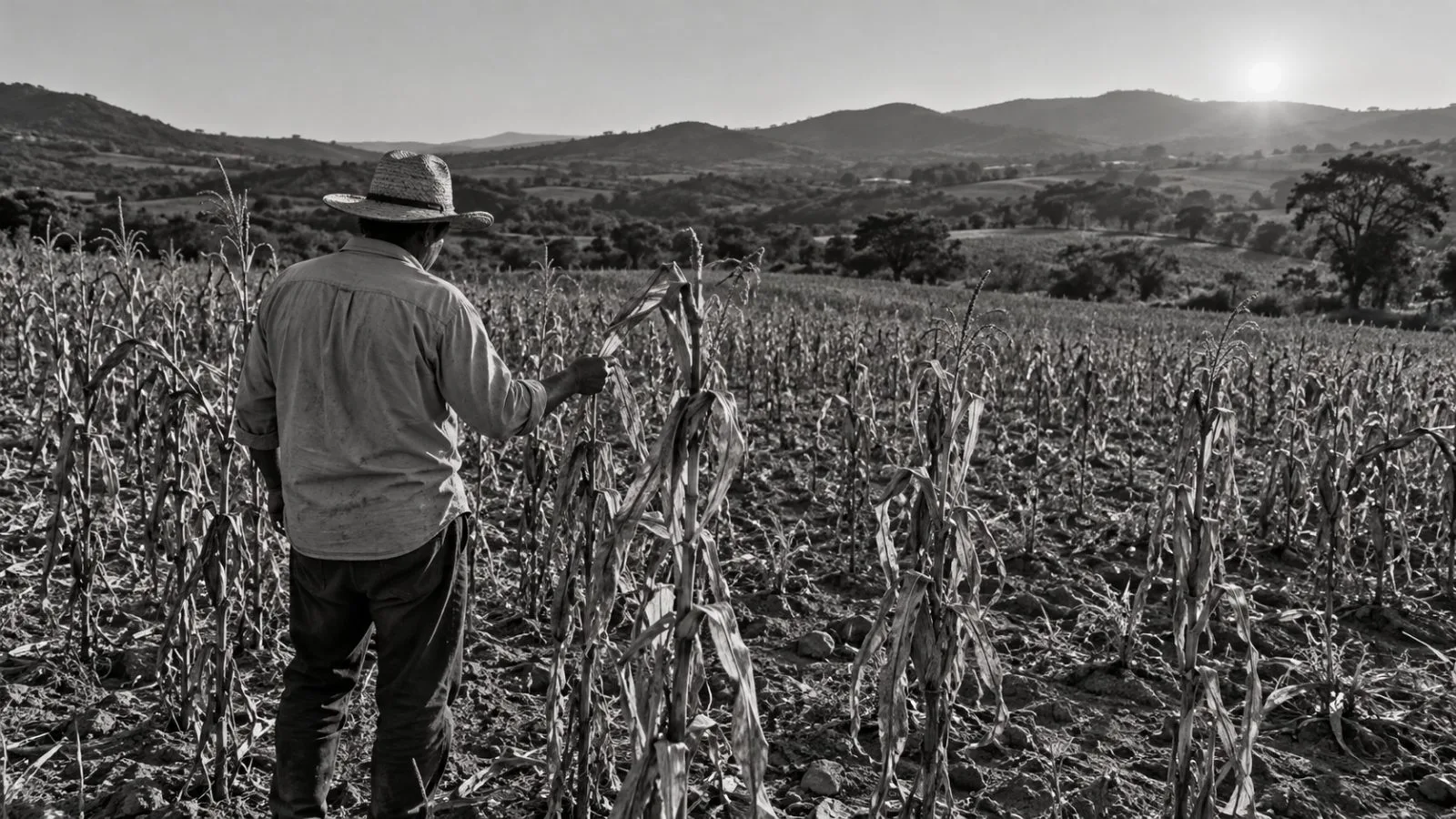
Farmers in El Salvador and Sudan face drought-related crop risks as El Niño strengthens, while high river flows have narrowed access at Iguazú Falls, putting food supplies and visitor operations under strain.
El Salvador’s 2026 main-season maize harvest is expected to be below average, the Food and Agriculture Organization of the United Nations (FAO) said, following severe drought it associates with El Niño. The country’s Civil Protection Directorate issued a nationwide red alert for meteorological and agricultural drought on Aug. 25.
FAO also forecasts above-average cereal import requirements for 2026–27. It cited expected production shortfalls, feed-industry demand and domestic demand for wheat and rice. The country’s rainfed maize-growing areas are particularly exposed to poor rainfall.
At a livestock market in Sensuntepeque, AFP reported that ranchers were selling cattle left thin by a lack of pasture. The Salvadoran Cattle Ranchers Association told AFP that roughly 60% of the sector faced severe drought.
In a Sept. 24 assessment of Sudan’s June-September rainy season, FAO estimated rainfall deficits of about 20% in Sennar and 30% in Gedaref. Its indicator showed severe drought conditions across up to 55% and 70% of cropland in the two states, respectively. FAO still identifies conflict as the main driver of Sudan’s food crisis.
At Iguazú Falls, Brazilian visitor-services operator Urbia+Cataratas recorded river flow of about 16 million liters per second on Oct. 14, roughly 10 times the historical average. Its Garganta do Diabo walkway was still closed on Oct. 19, but the park’s main trail and other viewpoints remained open.
Across the border, Iguazú Argentina S.A. began removing sections of its Garganta del Diablo walkway on Aug. 3 as a precaution against forecast flooding. The company said more than 5,000 people visited the Argentine falls on Oct. 15. Its upper and lower circuits were in use that day.
El Niño is a recurring warming of the tropical Pacific that changes the likelihood of regional weather patterns without determining conditions at any one location. The National Oceanic and Atmospheric Administration (NOAA) estimated an 83% chance of a record-strength El Niño during October through December, based on its relative Pacific temperature index. The World Meteorological Organization (WMO) expects the event to peak around December.
Developing-country governments have limited financial room to cushion households against overlapping shocks. Interest charges consume about 9.5% of revenue in the median developing country, the United Nations Development Programme (UNDP) estimates, a 25-year high.
FAO expects Sudan’s cereal harvest to begin in November. NOAA’s next El Niño assessment is scheduled for Nov. 12.