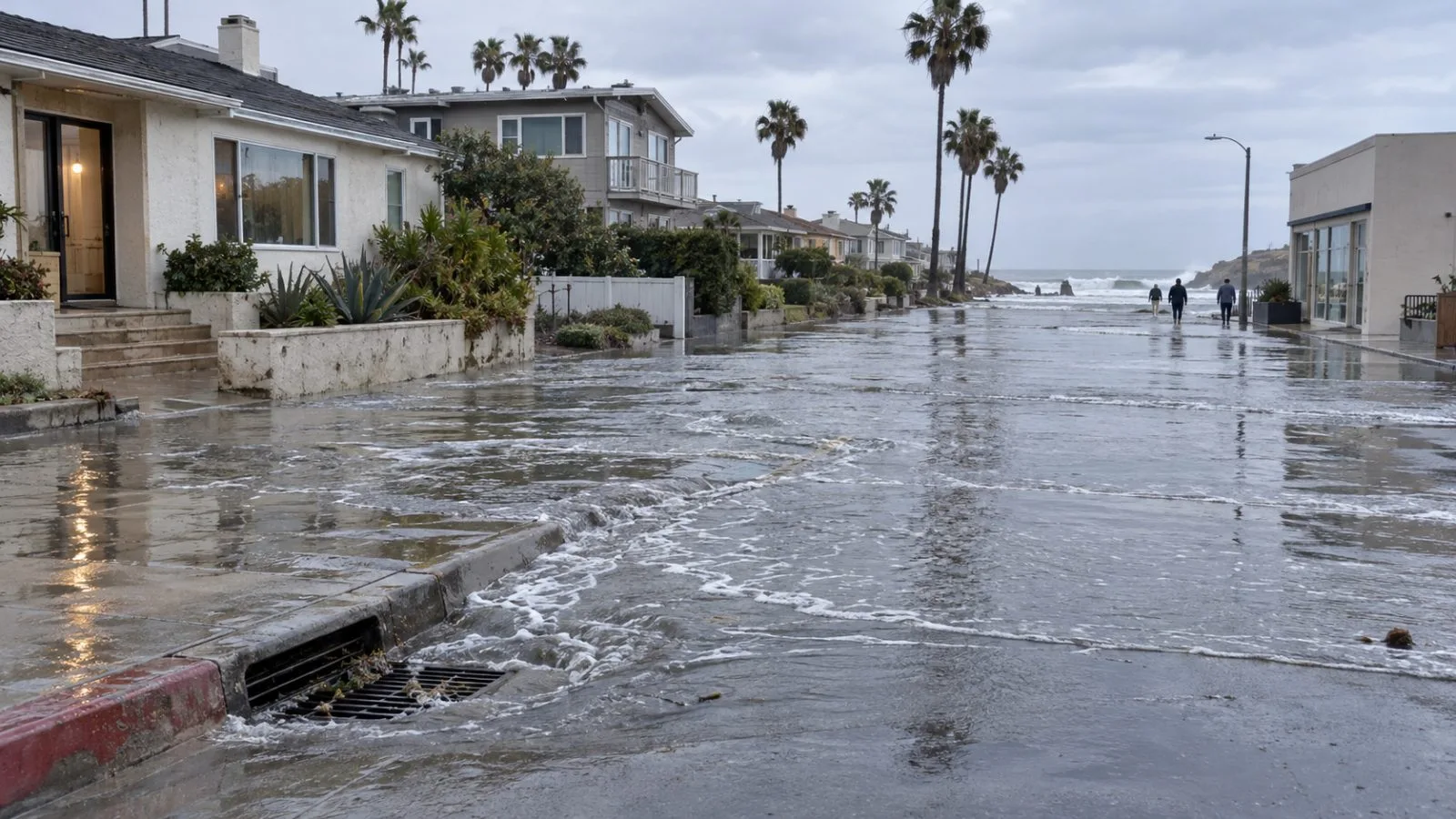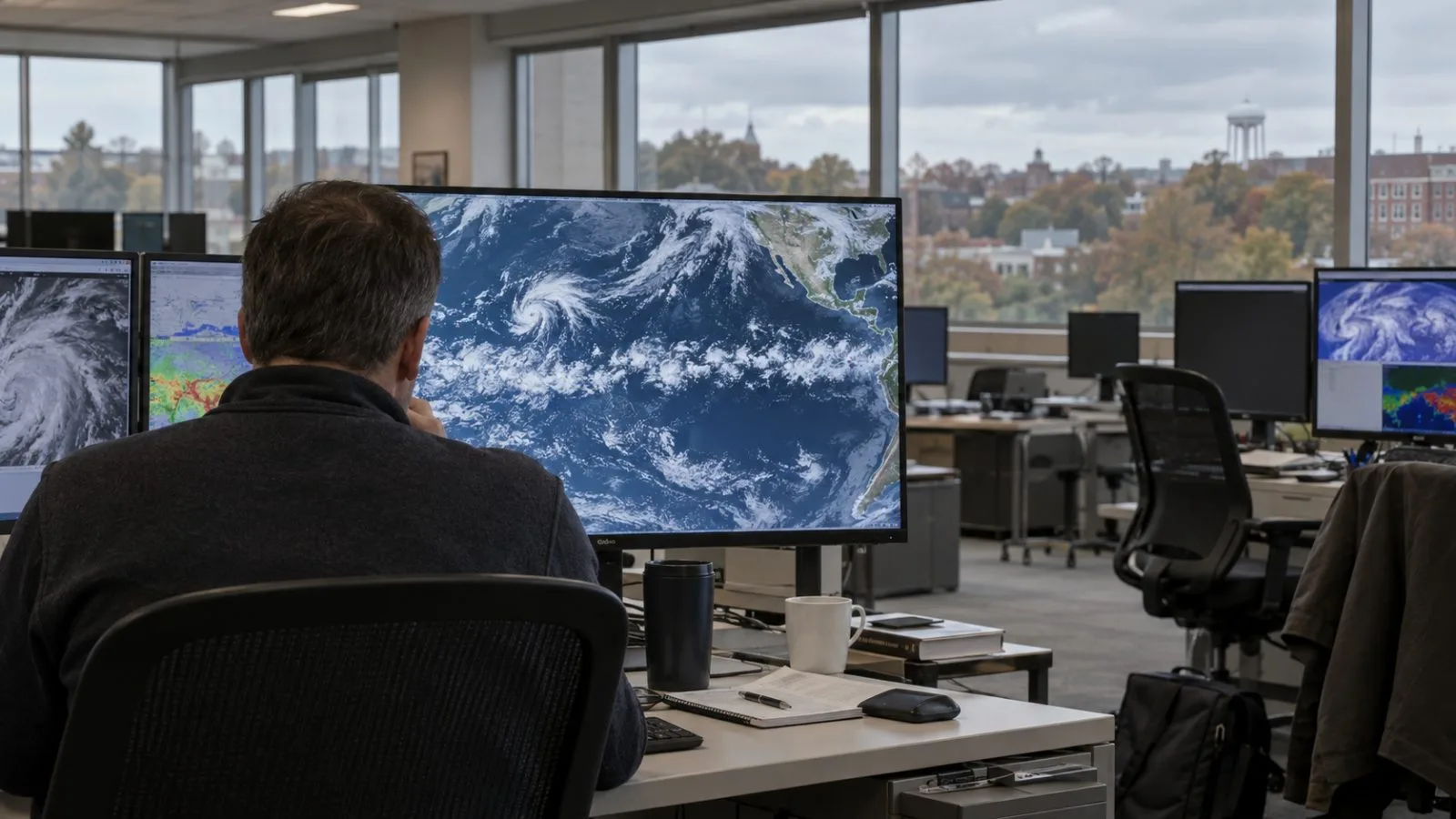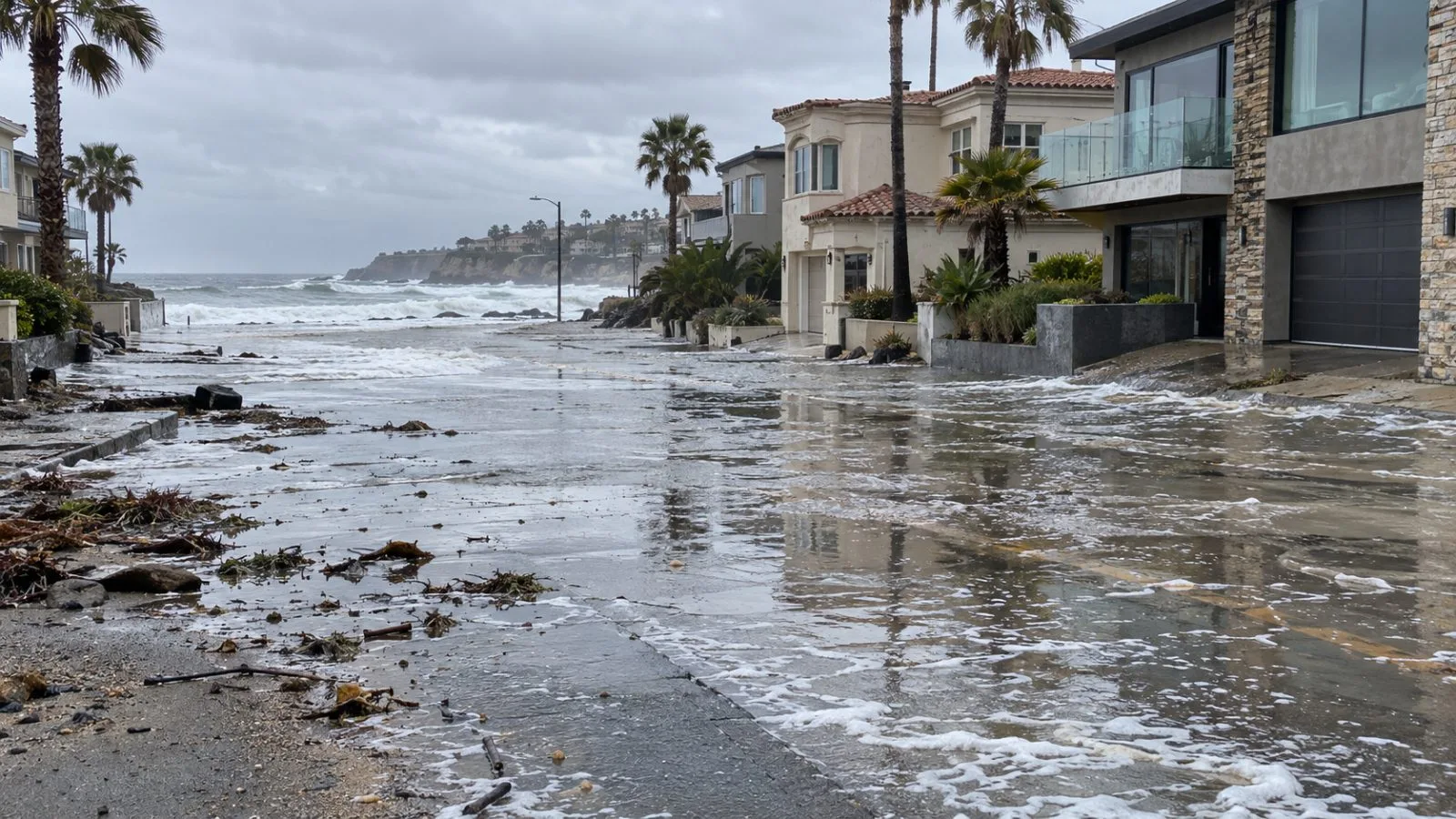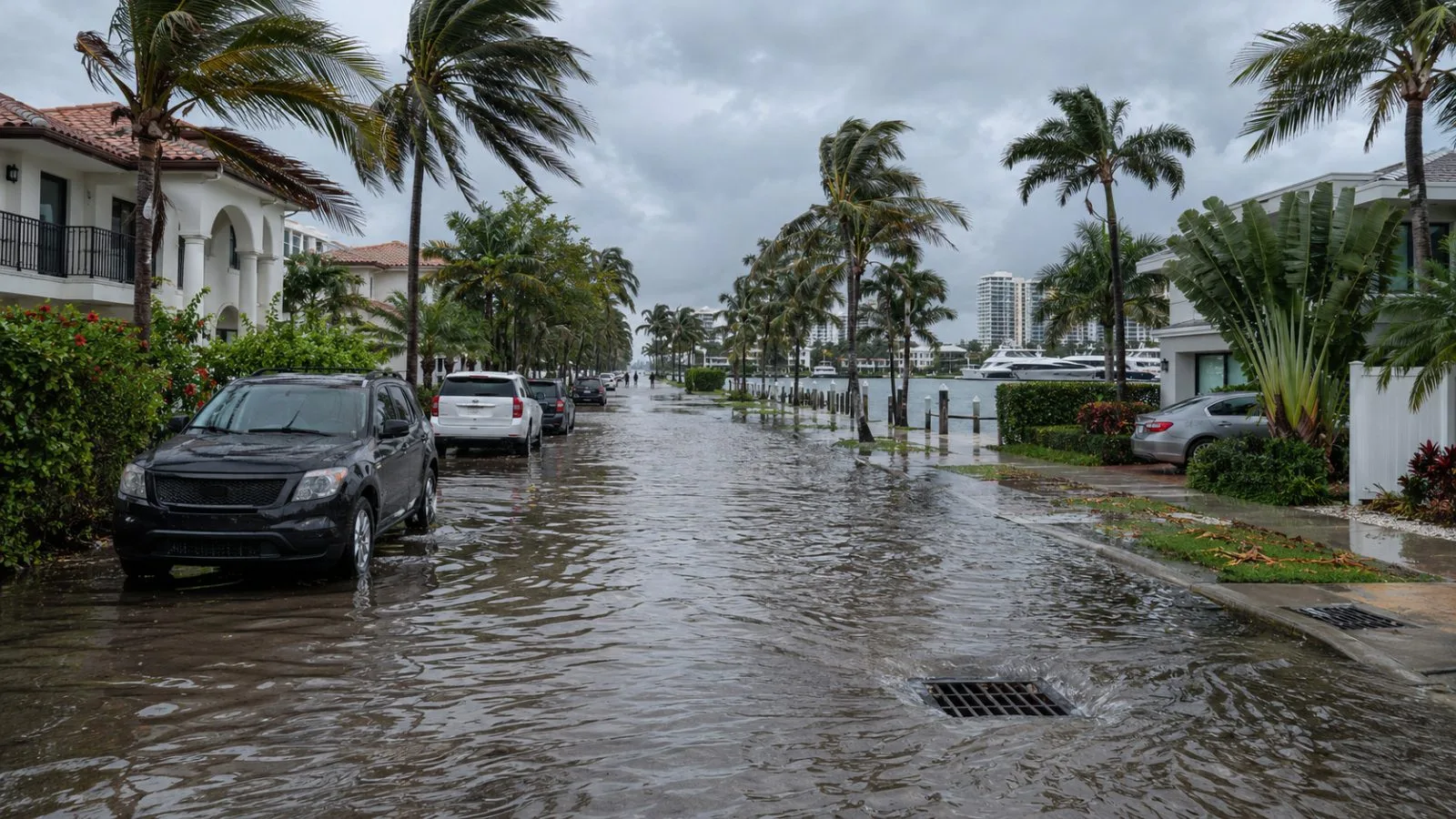
Coastal communities are seeing king-tide flooding more often as rising seas and the 2026 super El Niño push coastal water levels higher, The Independent reported.
King tides are the highest high tides at a particular place each year. They usually occur when the sun, moon and Earth move close to alignment, allowing their gravitational forces to reinforce one another. Full and new moons, along with seasonal cycles, can also move sea levels higher or lower.
Alec Bogdanoff, an oceanographer and meteorologist in Fort Lauderdale, Florida, said El Niño has lifted baseline water levels on both U.S. coasts in 2026. Strong winds and storms can intensify flooding, while seawater above the levels used to design stormwater systems can hinder drainage.
Long-term sea-level rise adds to the pressure. Melting glaciers and ice sheets send more water into the oceans, while warmer seawater expands. The Independent reported that some coastal areas that once experienced king tides only once or twice a year are now seeing them more frequently.
Four California locations recorded their highest observed water levels in late October, while near-record king tides flooded some low-lying California communities as Thanksgiving travel ramped up, The Independent reported.
“El Niño is natural, the sea level rise we're seeing now isn't,” Bogdanoff said. He described the current flooding as a preview of conditions that could become more common in the 2030s and beyond.
The U.S. Environmental Protection Agency (EPA) said in 2011 that continued sea-level rise would eventually make today’s king tides part of ordinary daily tidal conditions.
Bogdanoff, principal scientist and co-founder of engineering and consulting firm Brizaga, said communities can review stormwater systems and develop adaptation plans based on projected sea-level rise. Possible measures include raising roads, strengthening coastal defenses, adding green space that absorbs water and expanding drainage systems with greater pumping capacity. He said the work will take time and urged communities to improve their next decisions incrementally.