A federal case against contractor Ian Brinksman centers on allegations that he used access to classified intelligence to supply material to a journalist who published it through a Substack newsletter.
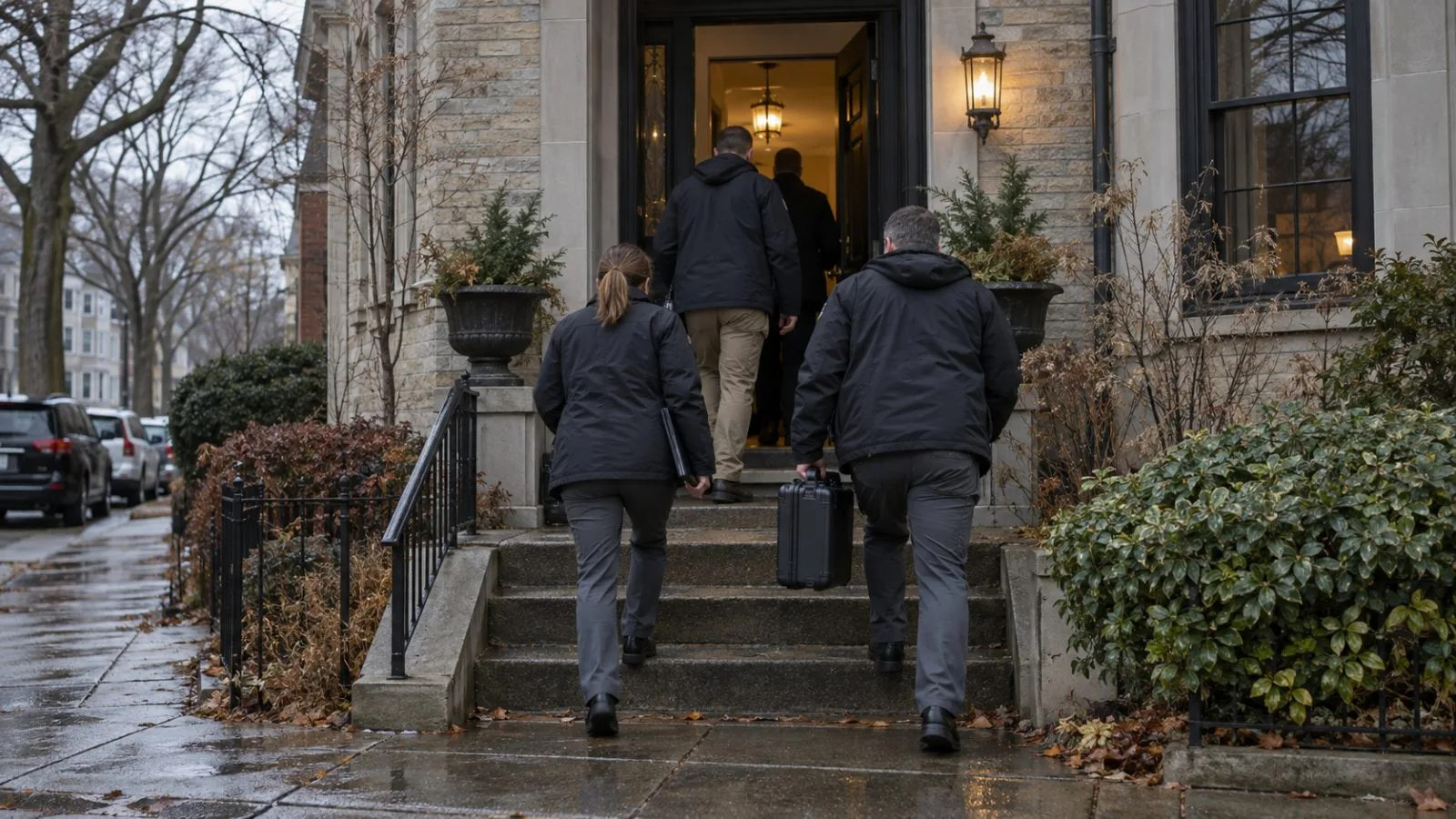
U.S. prosecutors charged Brinksman on Friday, Oct. 23, with unlawfully transmitting national defense information. The Justice Department said the FBI arrested him in Washington after searching his home.
An FBI affidavit describes investigators’ use of communications and access records, including phone, database and badge-swipe records, as well as emails. It alleges Brinksman repeatedly accessed classified intelligence reports while holding a top-secret clearance, first as an employee of a U.S. government agency and later as a systems integration developer for a private contractor serving that agency.
Prosecutors allege Brinksman passed information to a romantic partner identified in the affidavit only as “Individual 1.” Reuters identified that person as Aida Chavez by matching a passage quoted in the affidavit to her Capital & Empire newsletter. The affidavit alleges that, on at least five occasions in 2026, Chavez published Substack articles containing information that mirrored classified reports, some designated top secret.
Chavez used a Sept. 28 fundraising post to say she had drawn on classified CIA assessments in her reporting, which she argued the public should see. The affidavit reproduces the passage but masks the agency name as “relevant U.S. government agency.”
John Eisenberg, assistant attorney general for national security, said in a Justice Department statement that Brinksman knew the alleged recipient intended to publish the information. Eisenberg said the alleged conduct violated Brinksman’s oath.