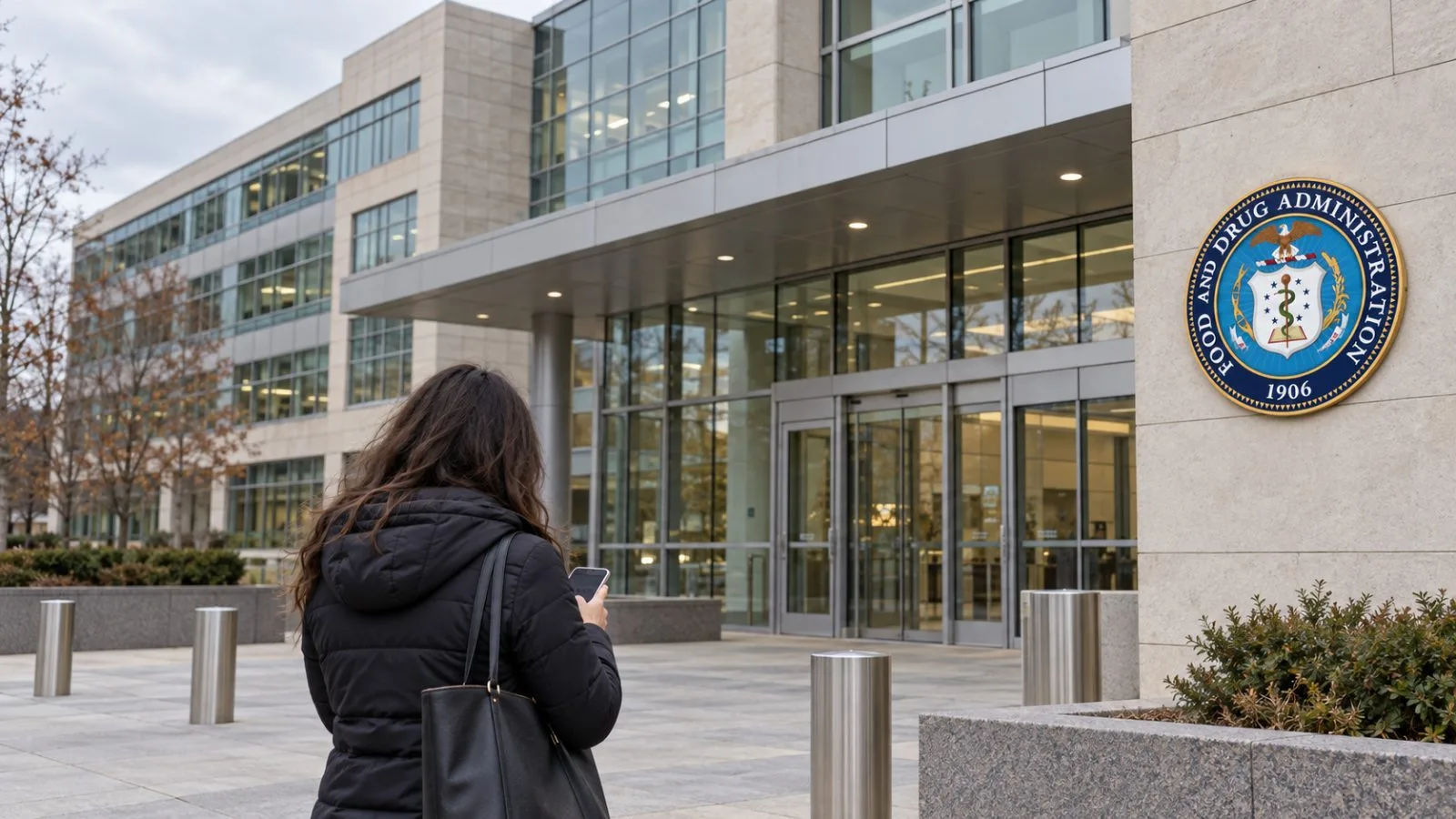
The FDA approved Ultragenyx Pharmaceutical Inc.’s gene therapy Fayuvi for pediatric patients with Sanfilippo syndrome type A who have preserved neurodevelopmental function, offering treatment for an inherited disorder that affects the brain and nervous system. The agency announced the approval Sept. 17, 2026, describing Fayuvi as the first gene therapy for the condition.
Sanfilippo syndrome type A results from too little sulfamidase, causing heparan sulfate to accumulate. Fayuvi is administered once through a vein; its adeno-associated virus serotype 9 (AAV9) carrier supplies cells with a functional SGSH gene. With that gene, cells can make the enzyme needed to clear heparan sulfate.
For cognitive outcomes, the FDA’s model estimated a 16-point gain in mean cognitive raw score for 17 treated children between ages 24 and 60 months. For 27 untreated children in an external natural-history group, it estimated a 7.6-point decline over the same age span. The model-estimated difference was 23.5 points (p<0.0001). FDA reviewers noted the small pediatric sample and said the data offered limited evidence of benefit for patients treated when the disease was more advanced.
Abeona Therapeutics licensed the program to Ultragenyx in May 2022. Separately, the O’Neill family began its “Saving Eliza” video campaign on April 2, 2014, to raise money for gene-therapy trials for Sanfilippo types A and B, the Cure Sanfilippo Foundation says. The foundation says the campaign passed $2 million later that year. GoFundMe reported that by May 2016, 36,256 donors had contributed $2,026,710, and Eliza was the first patient to receive the experimental intravenous therapy. NPR reported that eight patient foundations helped sustain Haiyan Fu’s research before the first human trial.
Ultragenyx executives said on a Sept. 17 investor call that Fayuvi’s U.S. wholesale acquisition cost is $3.95 million per patient.