A first-in-human trial in Padua is testing engineered blood-forming cells in people with newly diagnosed Type 1 diabetes, with safety as its primary measure and insulin preservation as its goal.
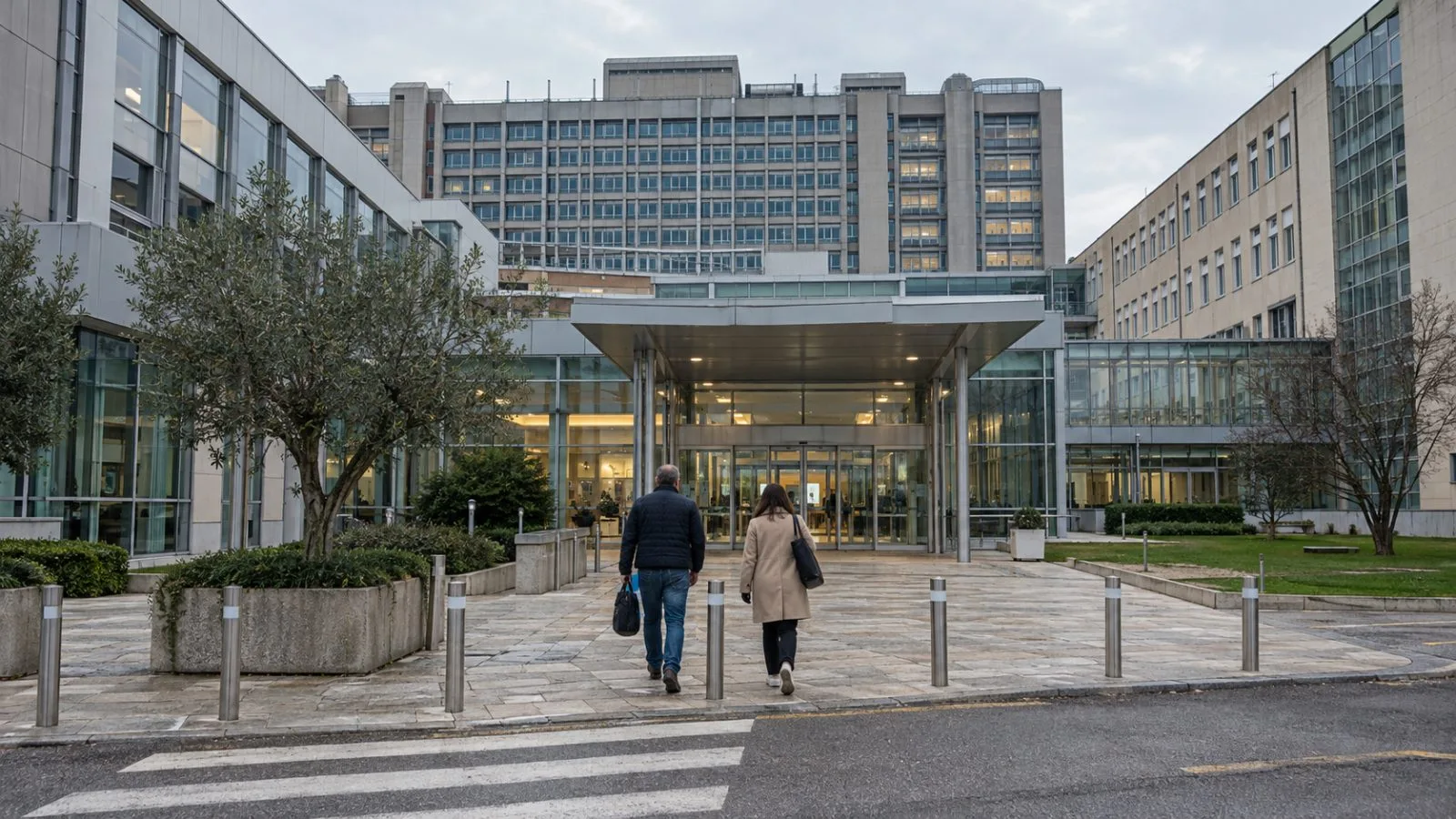
The Immunostem Phase I/II study plans to enroll 15 people at Padua University Hospital, its only site. The EU clinical trial record lists the study as recruiting; it says the trial began March 13, 2026, and recruitment started July 14. The University of Padua says the study is intended to assess safety and efficacy. Its sponsor, Altheia Science, is a spin-off of the University of Padua and the University of Milan.
The treatment uses participants’ own hematopoietic stem and progenitor cells, modified outside the body with a lentiviral vector carrying instructions for PD-L1. The protein is an immune checkpoint involved in regulating activated T cells.
A 2017 study in Science Translational Medicine reported reduced autoimmune activity in laboratory tests and reversed diabetes in newly hyperglycemic non-obese diabetic mice. Those were preclinical findings; the treatment’s effectiveness in people remains unconfirmed.
Professor Alessandra Biffi, who leads the pediatric hematology, oncology and stem cell transplant division at Padua University and Padua University Hospital, has also worked on gene therapy for metachromatic leukodystrophy, an inherited disease. A 2013 Science paper coauthored by Biffi reported that three patients treated before symptoms appeared had no disease onset or progression during follow-up extending seven to 21 months beyond their predicted onset ages. The European Commission authorized Libmeldy, a gene therapy for eligible children with the disease, across the European Union in 2020, following a recommendation from the European Medicines Agency (EMA).
In an Oct. 28 interview with Euronews, Biffi said the approach was expanding to “non-inherited conditions.”
The trial record lists safety as Immunostem’s primary endpoint, with safety assessments at three, 12 and 24 months for pilot participants.