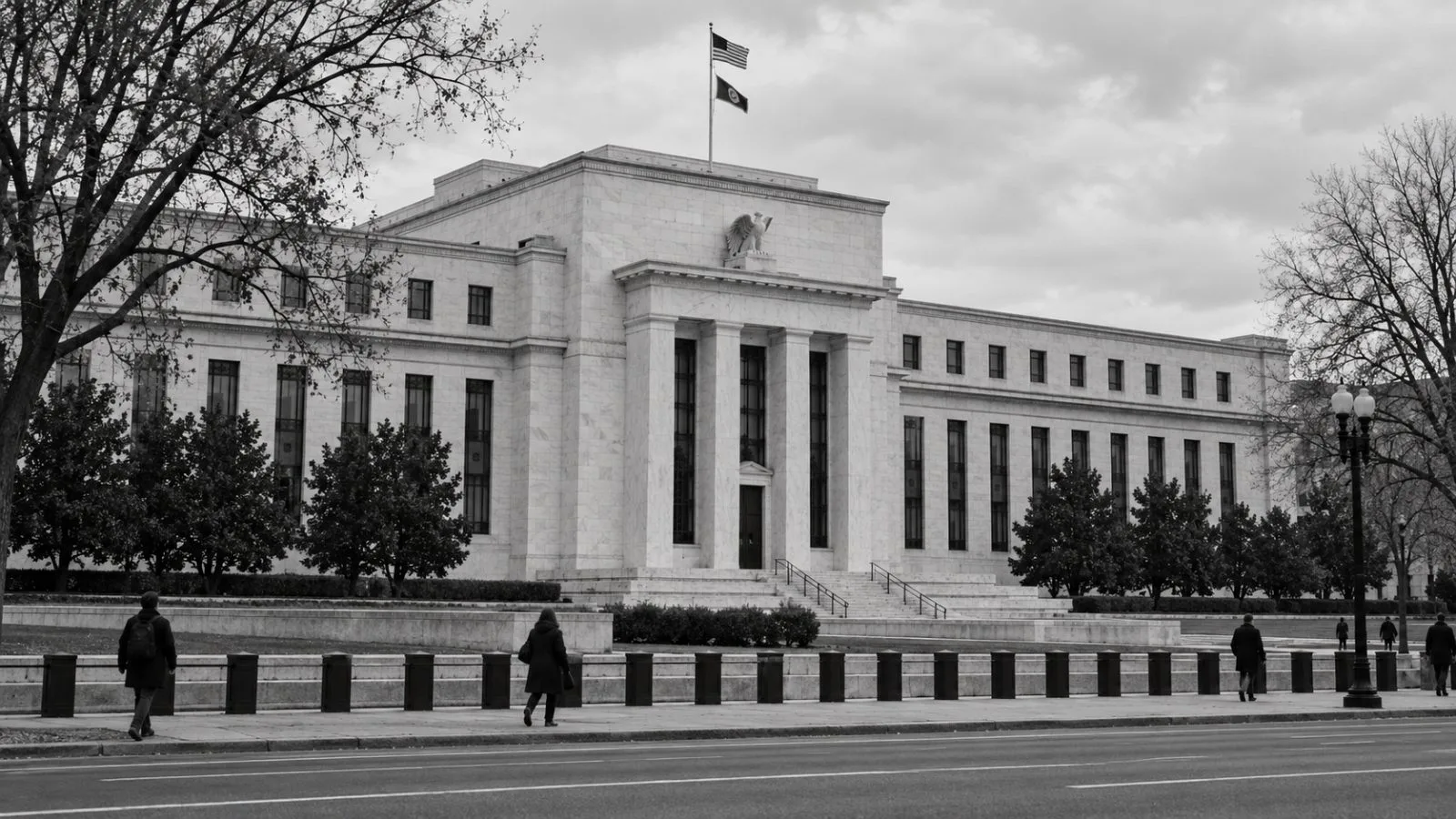
The Federal Reserve began its Oct. 27-28 meeting after annual U.S. inflation accelerated to 3.7% in September, while nonfarm payrolls rose by 29,000 ahead of Wednesday’s rate decision.
Anadolu reported Oct. 26 that CME Group’s FedWatch tool showed a 90% chance of no change and a 10% chance of a hike. The Fed had not announced a decision as of Tuesday.
The Federal Open Market Committee (FOMC) voted 12-0 on Sept. 16 to lift its federal funds target range by 25 basis points, setting it at 3.75%-4%. The Fed’s statement described inflation as elevated.
The Bureau of Labor Statistics (BLS) said gasoline rose 9.1% in September and contributed more than half of the monthly increase in consumer prices. The Consumer Price Index for All Urban Consumers (CPI-U) advanced 0.6% from August on a seasonally adjusted basis. Its unadjusted 12-month increase reached 3.7%, up from 3.4% in August. Excluding food and energy, core CPI was 2.6% higher than a year earlier, compared with 2.4% in August.
Energy also figured heavily in wholesale prices: it accounted for more than 80% of September’s increase in final-demand goods prices, the BLS said. The agency’s final-demand Producer Price Index (PPI) increased 1.3% from August on a seasonally adjusted basis, its largest monthly rise since March 2022. The unadjusted index was 6.3% above its level a year earlier.
September employment showed little movement in either measure, according to the BLS: nonfarm payrolls grew by 29,000 and unemployment was 4.2%. The Fed lists maximum employment and stable prices as its goals. For price stability, it uses a longer-run inflation goal of 2%, measured by the annual change in the personal consumption expenditures (PCE) price index.
Economists cited by Anadolu offered different paths for rates. American Enterprise Institute senior fellow Steven Kamin favored waiting for more data and considered a December increase probable. The outlet also reported that S&P Global chief U.S. economist Satyam Panday projected a quarter-point rise in October and 50 basis points of additional tightening over the cycle.
The meeting’s decision comes six days before the Nov. 3 U.S. general election. The Fed says its monetary policy is intended to be conducted independently of political influence. The FOMC is next scheduled to meet Dec. 8-9, and the BLS calendar lists the October CPI release for Nov. 10 at 8:30 a.m. ET.