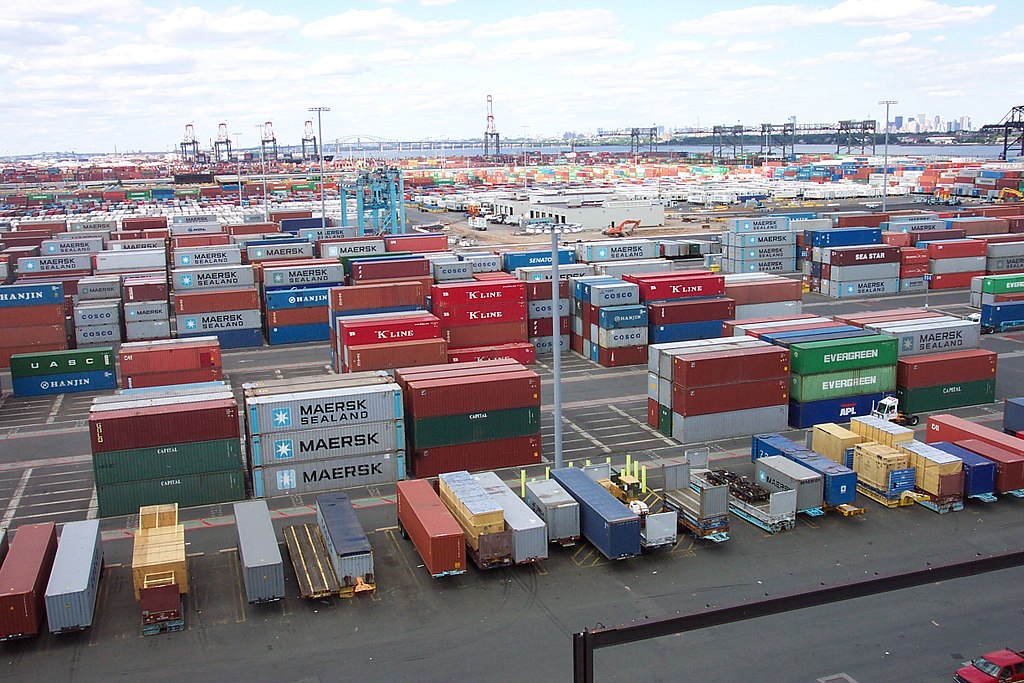
A U.S. federal judge has ordered the government to begin refunding billions of dollars in tariffs imposed during President Donald Trump’s administration after the U.S. Supreme Court ruled the measures illegal in late February. The decision could lead to refunds totaling between $168 billion and $182 billion for importers, according to estimates from leading economic research groups.
On Wednesday, Senior Judge Richard Eaton of the U.S. Court of International Trade directed U.S. Customs and Border Protection (CBP) to start planning how the refunds will be issued. The judge instructed the agency to present its initial proposal by Friday, emphasizing that the government must return any money that was unlawfully collected. Eaton also stressed the need for a process that prevents thousands of individual lawsuits from businesses seeking reimbursement.
The tariffs in question were imposed under the International Emergency Economic Powers Act (IEEPA). Economists from the Penn Wharton Budget Model estimate that CBP collected up to $182 billion in tariff revenue between February 4, 2025, and February 23, 2026. Their analysis uses a detailed forecasting model that examines tariffs applied to roughly 11,000 product categories across 233 countries. Using an alternative calculation method based on Treasury customs receipts, the group estimated the total at approximately $177 billion.
Official data from CBP previously showed that $133.5 billion in IEEPA tariff assessments had been recorded as of December 14. Meanwhile, analysts from Yale University’s Budget Lab estimate total IEEPA tariff revenue through February 19 reached about $168 billion, slightly lower than Penn Wharton’s projections.
The Yale researchers also reported that tariffs introduced in 2025 significantly increased U.S. customs revenue. By January 2026, inflation-adjusted customs collections were $194.8 billion higher than the average from 2022 to 2024. This included a $174.7 billion increase throughout 2025 and another $20.1 billion in January 2026 alone. Before the Supreme Court struck down the tariffs, the effective U.S. tariff rate had climbed to about 9.9%.
Following the ruling, the Trump administration introduced a temporary global tariff under Section 122 of the Trade Act of 1974. The initial 10% tariff is allowed to remain in effect for up to 150 days, with plans to raise it to 15%. The Committee for a Responsible Federal Budget estimates that a 10% tariff would generate roughly $35 billion in new revenue during that period, increasing to around $50 billion at the higher rate.
If Congress approves an extension or if similar tariff policies are implemented, the long-term revenue impact could be substantial. CRFB estimates the tariffs could generate more than $900 billion over the next decade at a 10% rate and up to $1.3 trillion at 15%. Penn Wharton economists project even higher figures, estimating that Section 122 tariffs could bring in around $1.51 trillion over ten years if the 15% rate remains in place.
Despite these projections, the court ruling means the government must now focus on returning billions of dollars collected under the invalidated tariffs. The upcoming CBP refund plan will determine how quickly importers receive compensation and how the U.S. government manages one of the largest tariff reimbursement efforts in recent history.