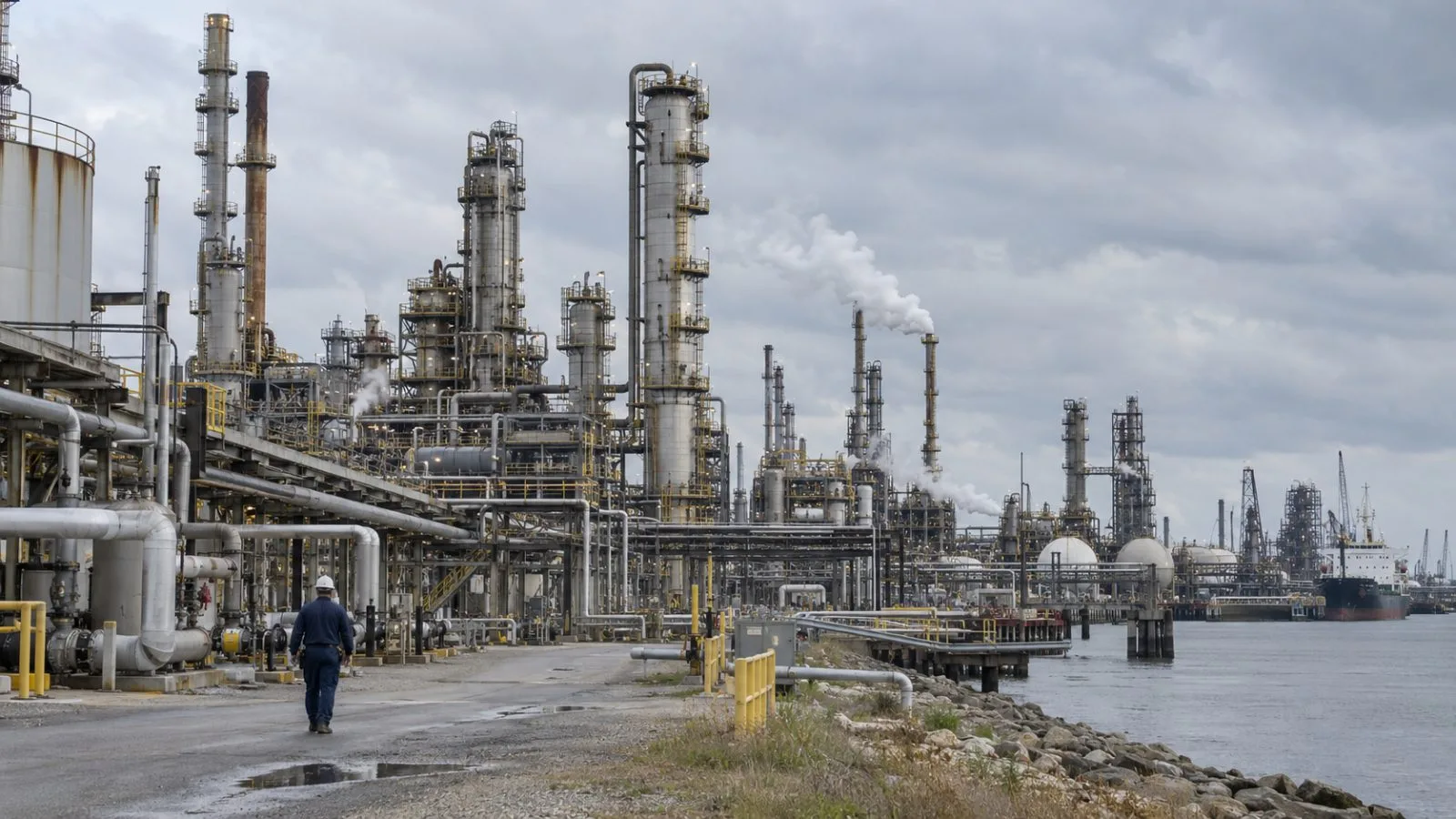
Five oil majors recorded $56.3 billion in combined adjusted net income for the third quarter, as conflict-related losses of fuel-making capacity lifted prices and strengthened results at operating refineries, Bloomberg reported. ExxonMobil, Chevron, BP, Shell and TotalEnergies each exceeded third-quarter expectations, the report said.
ExxonMobil’s refining division earned a record $9.05 billion in the quarter, according to the company’s Oct. 30 statement. Bloomberg reported that Chevron’s refineries earned a record $4.93 billion. Chevron’s third-quarter net income was $5.28 per share, 35 cents above analysts’ average estimate, the report said.
BP derived more than half of its $8.46 billion in adjusted net income from a business covering refining and trading, Bloomberg reported. Shell and TotalEnergies had also reported strong results earlier in the week. The combined $56.3 billion figure is adjusted net income; ExxonMobil’s and Chevron’s figures above refer to refining profits.
Ukrainian strikes inside Russia and fighting in the Middle East had taken about 10% of global fuel-making capacity out of service, Bloomberg estimated. The outlet said international oil prices were nearly 60% above their level before U.S. and Israeli attacks on Iran began in late February.
ExxonMobil Chief Financial Officer Neil Hansen said the company had increased Gulf Coast distillate production by 40% since 2019 after investing heavily from 2020. He told Bloomberg that adding supply was the company’s response to higher commodity prices. Bloomberg reported that some rivals sold refining facilities or converted them to biofuel production during that period.
ExxonMobil’s adjusted earnings were $4.23 per share, 10 cents above the average analyst estimate. The company also raised its dividend for a 44th consecutive year and maintained its $20 billion annual buyback plan. Chevron kept quarterly buybacks at $2.5 billion and directed most windfall profits toward debt reduction for a second consecutive quarter, Bloomberg reported.
The gains for oil companies coincided with higher costs for consumers. Bloomberg said rising fuel prices were adding to U.S. motorists’ expenses before November’s midterm elections, with affordability a prominent voter concern.
Bloomberg said oil-price volatility could intensify as strategic and commercial reserves shrink and the Iran conflict continues. More vessels have used the Strait of Hormuz, but the report said that had not relieved broader pressure on energy markets.
The results follow EconoTimes’ earlier coverage of refining outlooks and oil majors’ cash plans, published before the companies reported their third-quarter results.