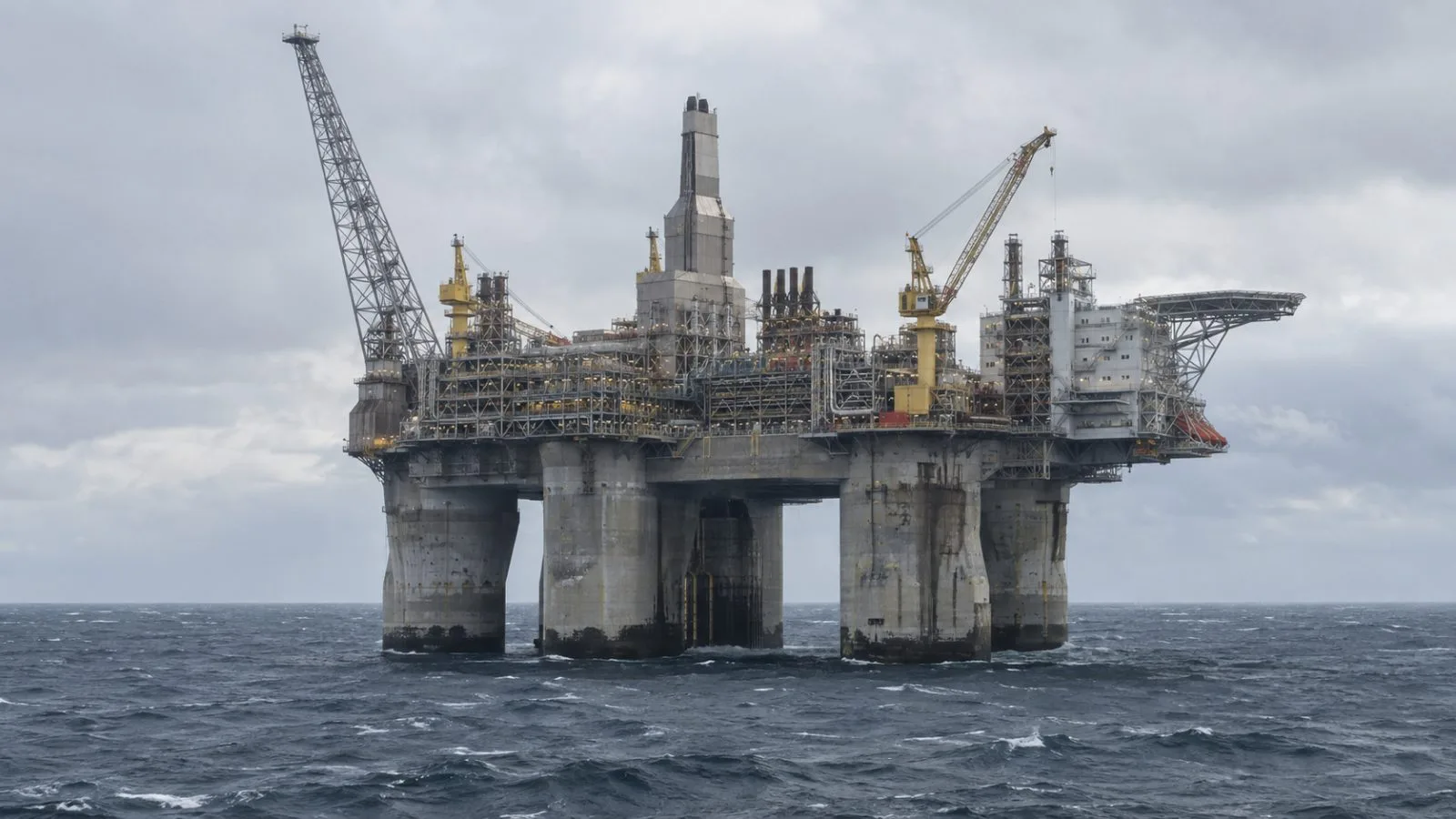
The Norwegian krone’s outlook depends partly on energy prices, with Commerzbank analyst Antje Praefcke seeing less room for currency strength if oil and gas prices decline, FXStreet reported Nov. 19. That outlook links Norway’s currency to global energy markets.
FXStreet reported that Commerzbank analyst Antje Praefcke sees EUR/NOK levels of 10.80 or 11.00 as possible if energy prices fall. In a separate scenario, Praefcke said easing Middle East tensions could lower energy prices and weaken the krone; the report said the timing and scale of that possibility were difficult to predict. It also cited an expected oil-market oversupply, especially next year, as a potential constraint on the currency.
Norway’s central bank, Norges Bank, held its policy rate at 4.50% on Nov. 4, following a 0.25 percentage-point increase in September. The bank said inflation remained too high and that it was prepared to raise the rate if needed. It said the rate would likely need to stay elevated for a time.
Statistics Norway reported that consumer prices rose 3.6% in the year through October. Underlying inflation, measured by the CPI-ATE index, was 2.7%. Norges Bank’s target is inflation close to 2% over time.
Norges Bank said capacity utilization had fallen slightly below normal and conflicts in the Middle East are still creating substantial uncertainty for the inflation outlook. Its next rate decision is scheduled for Dec. 17, alongside new forecasts.