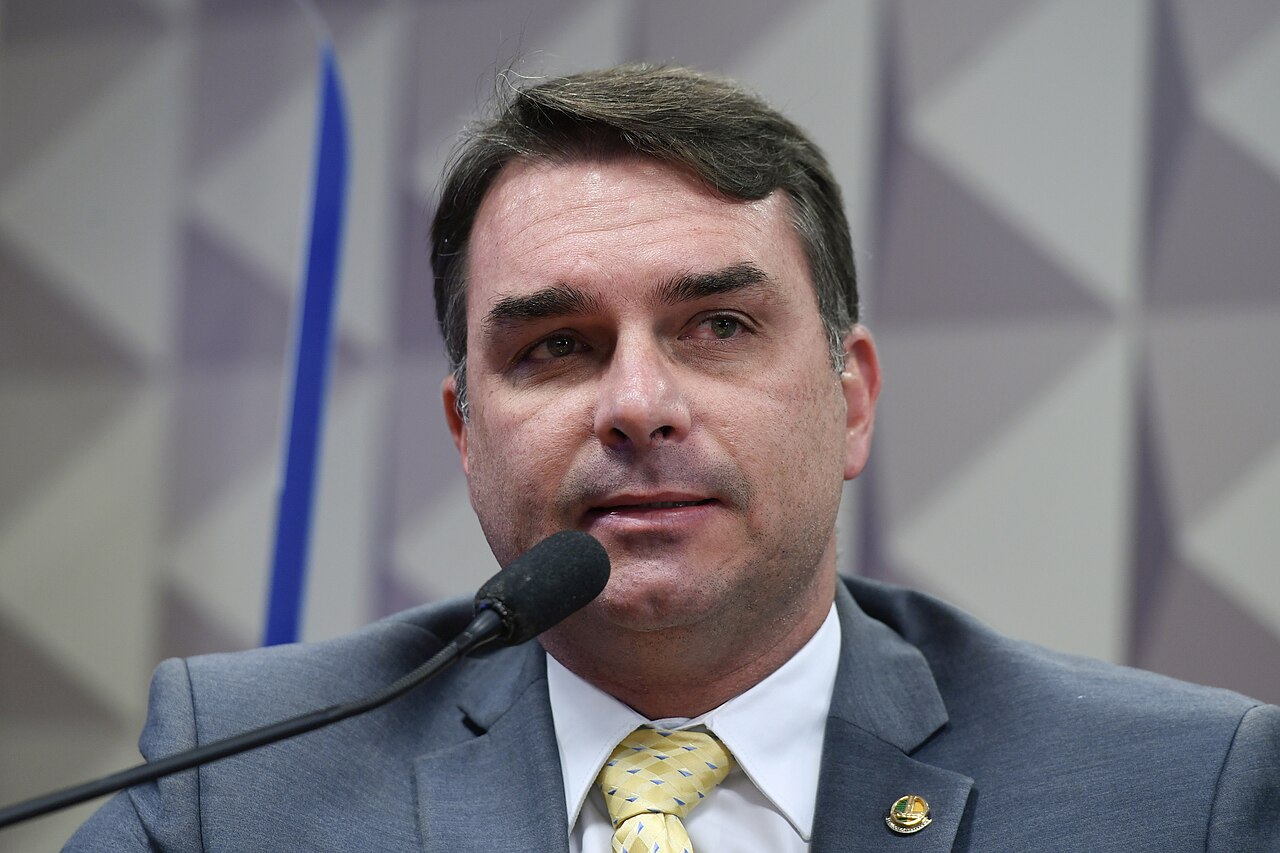
Brazilian Senator Flavio Bolsonaro is set to ask the Trump administration during a hearing in Washington on Monday to postpone a proposed 25% tariff on Brazilian goods until after Brazil’s October 2026 presidential election. The senator argues that delaying the decision would prevent the tariffs from becoming a political issue during the campaign and avoid benefiting President Luiz Inacio Lula da Silva’s reelection bid.
The Trump administration proposed the tariffs in June, citing alleged trade violations by Brazil, including illegal deforestation and what it described as unfair electronic payment practices. The proposal came shortly after Flavio Bolsonaro, son of former Brazilian President Jair Bolsonaro, met with senior U.S. officials.
President Lula accused the senator of helping trigger the tariff proposal, claiming members of the Bolsonaro family were encouraging foreign interference in Brazil’s domestic politics. The government criticized Flavio Bolsonaro’s meetings in the United States following his discussions with U.S. President Donald Trump. The senator has denied the allegations, insisting he has worked to prevent new trade restrictions.
In a filing submitted to the Office of the U.S. Trade Representative (USTR), Bolsonaro argued that imposing tariffs now would strengthen Lula politically. Instead, he proposed a 180-day suspension, noting that Brazil’s October 2026 election could reshape the country’s political landscape and create better conditions for resolving trade disputes.
Negotiations between Brazilian and U.S. officials have continued for months in an effort to avoid the Section 301 tariffs. The U.S. is expected to announce its decision by July 15. If implemented, the tariffs would exempt products including beef, coffee, rare earth minerals, and aircraft parts.
According to a Quaest poll released last month, 47% of Brazilians believe Lula’s claim that Bolsonaro sought U.S. tariffs against Brazil, while 35% agree with the senator’s assertion that he has urged Washington to avoid additional levies. Political analyst Leonardo Paz said the senator’s latest efforts appear aimed at limiting political damage rather than changing U.S. policy.
Flavio Bolsonaro’s visit is part of his family’s broader campaign to strengthen ties with the Trump administration. However, recent correspondence from U.S. Secretary of State Marco Rubio indicated that Washington still has significant concerns over the trade issues cited as justification for the proposed tariffs, suggesting a resolution remains uncertain.